
🔒 Secure Checkout
·
90-Day Promise
·
Free Shipping $75+
🌱 CBD & Wellness Guides
 · Co-Founder & Chief Formulator
Honest Guidance · Daily Routines · Plant Wellness
Turmeric and the Endocannabinoid System: Unlocking Natural Balance
· Co-Founder & Chief Formulator
Introduction: A Golden Bridge to Inner Harmony
In today’s fast-paced world, the quest for balance and well-being is more critical than ever. We are increasingly turning to nature’s wisdom, seeking potent allies that can support our body’s intricate regulatory systems. Among these natural treasures, turmeric, a vibrant golden spice, stands out, boasting a rich history in traditional medicine and a growing body of scientific validation.
This article serves as your comprehensive guide to understanding the profound and often overlooked connection between turmeric and the endocannabinoid system (ECS) – the body’s master regulator. Together, they offer a powerful pathway to unlocking natural balance, enhancing vitality, and fostering a deeper sense of inner harmony. We will delve into the science behind this remarkable interaction, exploring how turmeric, through its unique properties, can help support and optimize the ECS, leading to a cascade of health benefits.
The Quest for Natural Balance: Why Turmeric and the ECS Matter
Maintaining equilibrium within our bodies, a state known as homeostasis, is fundamental to our overall health and resilience. In an era marked by chronic stress, environmental influences, and lifestyle demands, this delicate balance is constantly challenged. The endocannabinoid system (ECS) plays a pivotal, yet often mysterious, role in orchestrating this internal equilibrium.
As consumer interest in natural health solutions continues to surge, understanding compounds that can effectively support the ECS has become paramount. The global turmeric supplements market, valued at USD 537.78 billion in 2024 and projected to reach USD 806.73 billion by 2032, demonstrates a significant and growing trust in turmeric’s therapeutic potential. This burgeoning interest underscores the relevance of exploring how ancient spices like turmeric can align with modern scientific understanding of our body’s sophisticated regulatory networks.
What This Article Will Explore: A Deep Dive into Natural Well-being
This article embarks on a comprehensive exploration of the dynamic relationship between turmeric and the endocannabinoid system (ECS). We will begin by demystifying the ECS, illuminating its components, functions, and its central role in maintaining homeostasis. Following this foundational understanding, we will journey through turmeric’s historical significance, tracing its roots in traditional practices, and then delve into the science behind its potent active compounds, particularly curcumin.
The core of our exploration will focus on the specific mechanisms through which turmeric influences the ECS, examining both its indirect modulation of endocannabinoid tone and its more direct interactions with cannabinoid receptors.
We will dissect turmeric’s powerful anti-inflammatory and antioxidant actions, and investigate its fascinating connection with related compounds like Palmitoylethanolamide (PEA). Furthermore, we will examine the synergistic potential of turmeric when combined with other natural allies, most notably Cannabidiol (CBD) and omega-3 fatty acids. Finally, we will translate this scientific knowledge into practical advice, guiding you on how to integrate turmeric into your wellness routine for optimal ECS support, and what to look for in quality products.
Understanding the Endocannabinoid System (ECS): The Body’s Master Regulator
The endocannabinoid system (ECS) is a complex cell-signaling network present in humans and many other mammals, playing a crucial role in maintaining internal balance. Its discovery, a testament to dedicated scientific inquiry and the collaborative efforts of a global research community, revolutionized our understanding of physiological regulation. The ECS is intimately involved in modulating a vast array of bodily functions, making it a central player in our overall health and well-being.
The global market for therapeutics targeting the ECS is substantial, with North America alone accounting for over 40% of the global revenue, estimated at USD 450.08 million in 2024, underscoring its recognized importance across scientific and medical fields. Understanding this system is key to appreciating how natural compounds can support our health.
What is the ECS? Maintaining Homeostasis Through a Complex Network
At its core, the ECS is a sophisticated biological system designed to achieve and maintain homeostasis – the body’s ability to stay in a stable internal state despite external changes. It acts like a master thermostat, constantly working to keep physiological parameters within a narrow, optimal range.
This pervasive influence means that the ECS is fundamentally involved in regulating a multitude of bodily functions, including mood, sleep patterns, appetite, pain perception, immune responses, memory, and even stress hormone regulation. Its optimal functioning is intrinsically linked to our overall health, resilience, and capacity to adapt to internal and external challenges. The sheer number of bodily processes it touches highlights its critical, foundational role in our well-being.
The Key Players: Endocannabinoids, Receptors, and Enzymes
The ECS comprises three primary components: endocannabinoids, receptors, and enzymes. Endocannabinoids are neurotransmitters produced by the body, structurally similar to compounds found in cannabis.
The two primary endocannabinoids are anandamide (AEA) and 2-arachidonoylglycerol (2-AG). These molecules act as signaling molecules, binding to specific cannabinoid receptors found throughout the body. There are two main types: cannabinoid receptor type 1 (CB1) and cannabinoid receptor type 2 (CB2). CB1 receptors are predominantly found in the brain and central nervous system, influencing mood, memory, and appetite. CB2 receptors are more concentrated in the immune system and peripheral tissues, playing a significant role in inflammation and immune responses.
Finally, enzymes like fatty acid amide hydrolase (FAAH) and monoacylglycerol lipase (MAGL) are responsible for breaking down endocannabinoids once they have served their purpose, thereby regulating their availability and activity.
Turmeric: A Golden Legacy from Ancient Wisdom to Modern Science
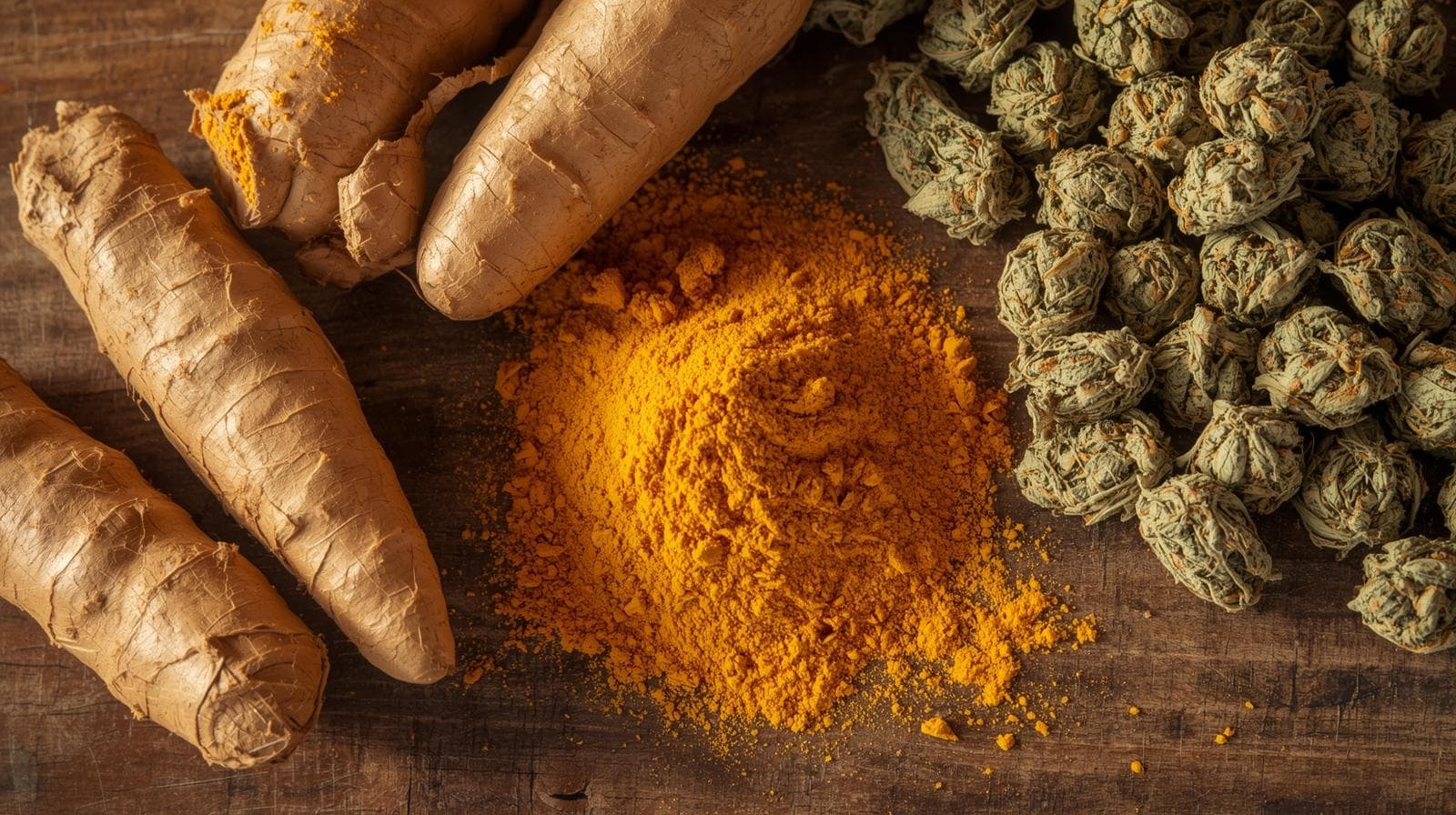
Turmeric, scientifically known as Curcuma longa L., is a vibrant, golden spice that has graced kitchens and medicine cabinets for millennia. Its rich history and potent therapeutic properties have earned it a place of honor in both traditional practices and modern scientific research.
The global curcumin market size reached $80.8 million in 2022 and is projected to grow to $126.8 million by 2028, a testament to the increasing scientific and commercial interest in this powerful compound. This section will explore its origins and the science behind its active components.
A Brief History: Turmeric’s Roots in Traditional Medicine
Turmeric’s journey begins in ancient India, where it has been a cornerstone of Ayurvedic medicine for over 4,000 years. Extensively referenced in Ayurvedic texts, it was lauded for its perceived ability to purify the body, reduce inflammation, and support overall health.
This traditional wisdom recognized turmeric not just as a spice for food but as a potent medicinal agent, employed to address a wide range of ailments, including skin conditions, digestive issues, and joint discomfort. The understanding of turmeric’s healing properties predates modern scientific frameworks, highlighting the intuitive wisdom of ancient cultures in harnessing natural remedies.
The Active Compounds: Curcumin and Beyond
While turmeric contains a spectrum of beneficial compounds, its most celebrated active constituent is curcumin. This polyphenol is responsible for turmeric’s characteristic bright yellow hue and is the primary driver of its therapeutic effects. However, curcumin is not a singular entity; it exists in three forms: curcumin, demethoxycurcumin, and bisdemethoxycurcumin.
While curcumin is the most abundant, all three contribute to turmeric’s health-promoting properties. Despite its immense potential, curcumin notoriously suffers from poor bioavailability, meaning the body struggles to absorb and utilize it efficiently. This challenge has spurred significant research into enhancing its absorption, often through combination with other compounds or specific formulations like Turmeric Curcumin C3 Complex, a patented extract standardized for its curcuminoid content and known for enhanced absorption properties.
Turmeric’s Profound Influence on the Endocannabinoid System (ECS) & Related Pathways
The intricate relationship between turmeric and the endocannabinoid system (ECS) is a frontier of modern health research, revealing how this ancient spice can subtly yet powerfully support our internal regulatory network. While not a direct cannabinoid mimic, turmeric’s multifaceted actions intersect with ECS pathways in several significant ways, offering a unique approach to balance.
Modulating Endocannabinoid Tone: Indirect Interactions for System Support
Turmeric, primarily through its curcumin content, has demonstrated an ability to influence endocannabinoid levels indirectly. Some studies suggest that curcumin can increase the production or support the availability of endogenous endocannabinoids, thereby contributing to a healthier endocannabinoid “tone.”
This concept of endocannabinoid tone refers to the overall activity level of the ECS. By supporting this tone, turmeric helps the ECS perform its regulatory functions more effectively, contributing to overall balance. This indirect mechanism of support is crucial, as it works in harmony with the body’s natural processes rather than overriding them.
Direct Engagement with Cannabinoid Receptors: The Role of β-Caryophyllene
Beyond its general influence on endocannabinoid levels, turmeric contains compounds that can directly interact with ECS receptors. One such notable compound is β-caryophyllene, a terpene found in turmeric. Unlike CBD, which has a more indirect interaction with CB1 and CB2 receptors, β-caryophyllene is a phytocannabinoid that acts as a selective agonist for the CB2 receptor.
Research indicates that activation of the CB2 receptor plays a significant role in modulating inflammation and pain perception. This direct engagement of the CB2 receptor by a compound naturally present in turmeric offers a distinct pathway through which the spice exerts its beneficial effects, a point of significant scientific interest. The interaction with CB2 receptors, which are predominantly found in the immune system, suggests a direct link to inflammatory responses.
The Anti-Inflammatory Orchestration: Turmeric’s Multi-Targeted Approach to Balance
One of the most well-documented benefits of turmeric is its potent anti-inflammatory effects. Turmeric employs a multi-targeted approach, influencing numerous molecular pathways involved in the inflammatory cascade. Scientific reference points to turmeric’s ability to inhibit pro-inflammatory cytokines like TNF-α and IL-6. Notably, studies have shown that turmeric treatment can reduce levels of ERK and c-MYC, key players in cellular signaling and inflammation, and crucially, this reduction can be blocked by a CB2 receptor antagonist. This suggests that turmeric’s potent anti-inflammatory action is, at least in part, mediated through the CB2 receptor, highlighting a direct link between turmeric’s compounds and ECS-mediated inflammation control.
Furthermore, turmeric’s ability to inhibit pathways such as Nuclear factor kappa B (NF-κB), a key transcription factor for inflammatory gene expression, further underscores its comprehensive approach to managing inflammation. Research involving RAW264.7 macrophages has demonstrated curcumin’s capacity to suppress NF-κB activation and reduce the production of inflammatory mediators.
Antioxidant Defense and Neuroprotection: Fortifying Cellular Resilience
Turmeric’s potent antioxidant properties are another cornerstone of its health benefits. Curcumin is a powerful scavenger of free radicals, unstable molecules that can cause cellular damage and contribute to aging and disease. By neutralizing these harmful molecules, turmeric helps protect cells throughout the body, including those within the nervous system.
This antioxidant defense is vital for maintaining cellular integrity and supporting neuro logical health. By combating oxidative stress and reducing Reactive oxygen species, turmeric helps fortify cellular resilience. Furthermore, oxidative stress can negatively impact ECS function, so turmeric’s ability to combat it indirectly supports the system’s resilience and longevity.
The Palmitoylethanolamide (PEA) Connection: A Synergistic Link
An intriguing aspect of turmeric’s interaction with the ECS is its potential influence on Palmitoylethanolamide (PEA). PEA is an endogenous fatty acid amide that also interacts with the ECS, particularly by modulating endocannabinoid signaling and interacting with peroxisome proliferator-activated receptors (PPARs).
PEA is known for its anti-inflammatory and analgesic properties. Emerging research suggests that turmeric compounds may support the body’s production or enhance the activity of PEA, creating a synergistic effect. This connection further amplifies turmeric’s capacity to promote balance and alleviate discomfort, particularly in conditions like joint pain and inflammation.
The Synergistic Duo: Turmeric and Phyto-cannabinoids for Enhanced ECS Support
While turmeric offers substantial benefits on its own, its potential for well-being is amplified when considered alongside other plant-derived compounds that interact with the ECS, notably Cannabidiol (CBD). The increasing use of CBD Oil, with 20.6% of U.S. adults reporting CBD use in the preceding 12 months in 2022, indicates a growing population interested in ECS modulation. Understanding how turmeric and CBD work together can unlock enhanced therapeutic effects, creating a powerful combination for natural balance.
How Phyto-cannabinoids (like CBD) Interact with the ECS
Cannabidiol (CBD), a non-intoxicating compound derived from cannabis, interacts with the ECS through various mechanisms. Unlike THC, which directly binds to CB1 and CB2 receptors, CBD’s interaction is more indirect. It can influence receptor activity by binding to other sites, prevent the breakdown of endocannabinoids by inhibiting enzymes like FAAH, and modulate receptor expression. This complex interplay allows CBD to support the ECS in maintaining homeostasis and exert its anti-inflammatory and calming effects. CBD Oil is a popular delivery method for these benefits, often chosen for its ease of use and customizable dosages.
Complementary Mechanisms: Turmeric and CBD Working Together
The synergy between turmeric (specifically curcumin) and CBD lies in their complementary mechanisms of action. While CBD modulates the ECS more directly, turmeric offers broad-spectrum anti-inflammatory and antioxidant support, often through different pathways. For instance, CBD interacts with the ECS to control inflammation, while curcumin prevents the release of pro-inflammatory molecules.
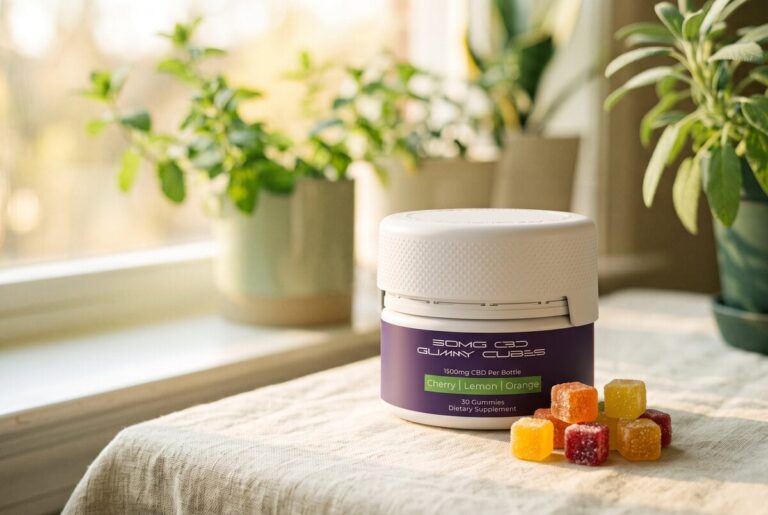
Combining CBD and turmeric has been shown to enhance antioxidant protection due to their respective properties. This dual action means that when taken together, CBD and turmeric can provide a more comprehensive approach to managing inflammation, easing discomfort, and promoting overall balance. Some formulations, such as our broad spectrum CBD and Curcumin gummies, are specifically designed to harness this synergistic effect, potentially enhancing the absorption of curcumin in the oil base and delivering a concentrated dose of both compounds.
Unlocking Natural Balance: Comprehensive Benefits of Turmeric for ECS Harmony
The interaction between turmeric and the ECS translates into a remarkable array of benefits that contribute to overall well-being and natural balance. These benefits address various physiological systems, offering a holistic approach to health by supporting the ECS’s role in regulating crucial bodily functions.
Soothing Inflammation and Easing Discomfort
Turmeric’s potent anti-inflammatory effects are particularly beneficial for managing discomfort associated with inflammatory conditions. Its ability to target multiple inflammatory pathways, often mediated by the CB2 receptor, makes it a valuable tool for conditions like joint pain.
Studies have indicated that both CBD and turmeric can lower pain perception stimuli, and when used together, they may offer synergistic anti-inflammatory and pain-relief advantages. The number of ways turmeric addresses inflammation contributes to its widespread use for pain management, including easing the stiffness and discomfort associated with compromised articular cartilage.
Promoting Mental Well-being and Stress Resilience
The ECS plays a crucial role in regulating mood, stress response, and emotional well-being. By supporting endocannabinoid tone and potentially influencing neurotransmitter systems, turmeric can contribute to improved mental clarity and resilience. Its anti-inflammatory and antioxidant properties also indirectly benefit brain health, helping to protect neurons and promote a more balanced emotional state, aiding the ECS in its role to “relax, eat, sleep, forget and protect”. By helping to regulate stress hormones, turmeric can be a valuable ally in managing daily pressures and fostering a sense of calm.
Supporting Gut Health and Immune Function
A significant portion of the ECS is found in the gut, where it plays a role in regulating digestive function and maintaining the gut barrier. Turmeric’s anti-inflammatory and antioxidant actions can support a healthy gut environment, which is intrinsically linked to immune function. By modulating immune responses through pathways like Nuclear factor kappa B and potentially influencing Cannabinoid Receptor 2 expression in immune cells, turmeric helps the body maintain a balanced immune system, contributing to overall health.
Enhancing Skin Radiance and Addressing Dermatological Concerns
The ECS is also present in the skin, where it influences various processes including cell growth, inflammation, and wound healing. Turmeric’s anti-inflammatory and antioxidant properties can help soothe irritated skin, reduce redness, and promote a more radiant complexion. Its ability to combat oxidative stress also contributes to protecting skin cells from environmental damage, making it a valuable component for skin health.
Neuroprotection and Cognitive Vitality
The brain is rich in CB1 receptors, and the ECS plays a vital role in neuronal function. Turmeric’s antioxidant and anti-inflammatory effects are crucial for protecting brain cells from damage and supporting cognitive function. By promoting healthy neuronal pathways and mitigating inflammation, turmeric contributes to long-term cognitive vitality and may offer protective benefits against age-related cognitive decline. Its influence on neuro logical pathways is an area of ongoing research.
Integrating Turmeric into Your Wellness Routine for ECS Support
Incorporating turmeric into your daily life is a practical and accessible way to harness its benefits for ECS harmony. Whether through food, supplements, or topical applications, there are numerous avenues to explore to enhance your body’s natural balance.
Dietary Delights: Incorporating Turmeric into Your Food
One of the most enjoyable ways to consume turmeric is through food. Its warm, earthy flavor makes it a versatile ingredient in curries, soups, stews, golden milk, rice dishes, and marinades. Combining turmeric with black pepper (containing piperine) and a healthy fat source (like coconut oil or ghee) can significantly enhance curcumin absorption, maximizing its benefits. The post-pandemic rise in demand for clean-label foods has led to a 21% increase in turmeric-containing product launches in 2024, according to American International Foods [Mordor Intelligence, 2025], showcasing its growing integration into our diets.
Optimal Supplementation: What to Look For
For those seeking a more concentrated dose, supplements are an excellent option. When choosing turmeric supplements, it’s crucial to look for formulations that prioritize bioavailability. This often means products containing piperine, as highlighted in research, or employing advanced delivery systems. High-quality supplements should also be third-party lab tested to ensure purity, potency, and freedom from contaminants.
Topical Applications for Targeted Relief
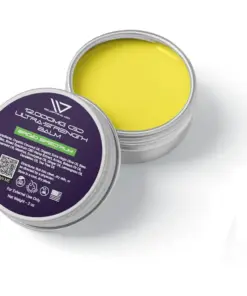
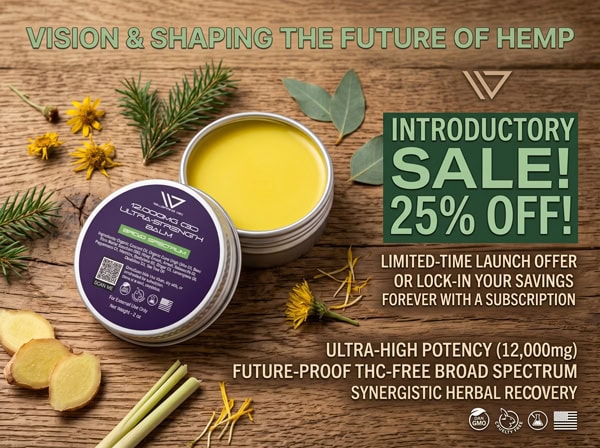
Turmeric’s anti-inflammatory and antioxidant properties can also be leveraged through topical applications. Turmeric-infused oils, balms, and creams can be applied directly to the skin to support localized relief from discomfort and inflammation, particularly for skin health concerns or joint pain. These topical treatments offer a way to target specific areas without systemic consumption, providing localized support.
Considering Combined Formulations: CBD Oil with Infused Turmeric
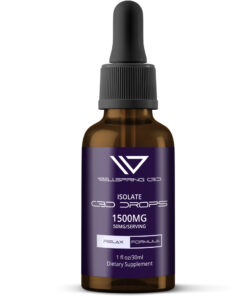
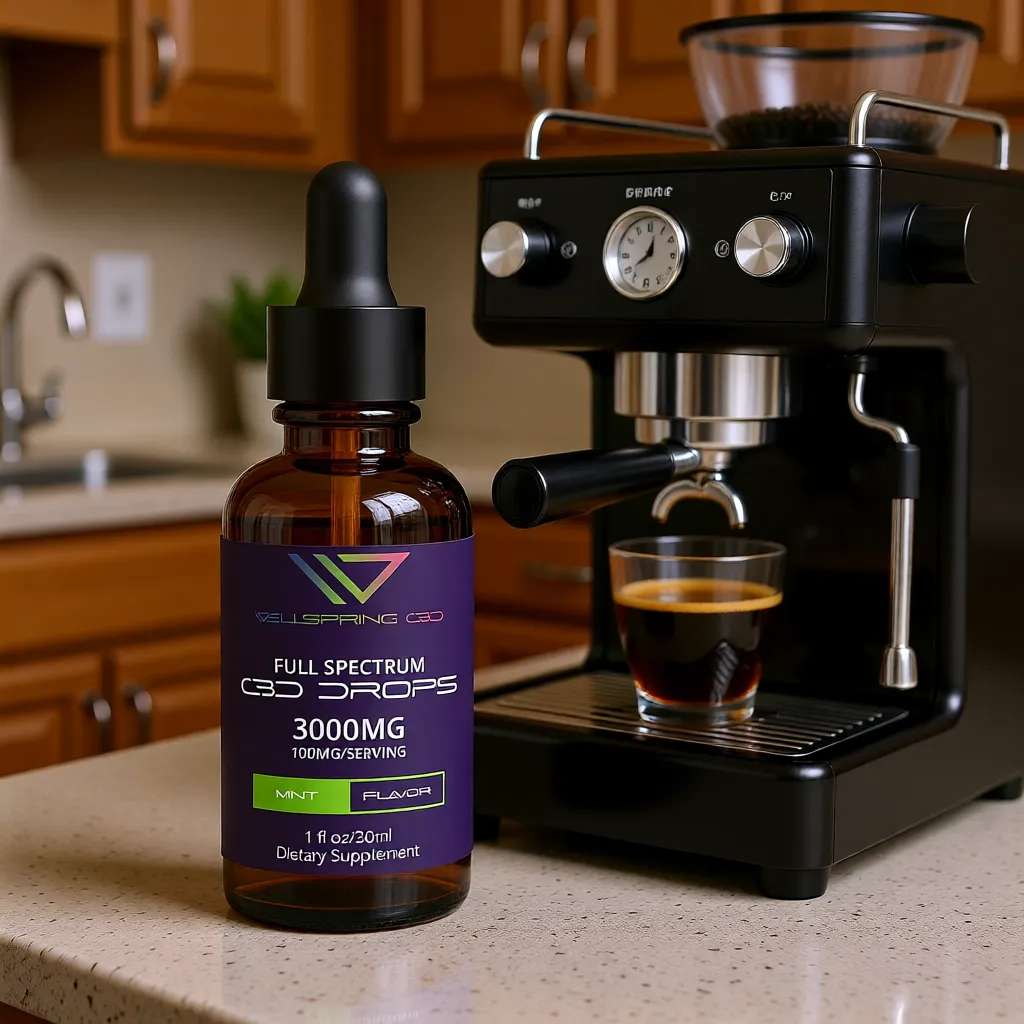
For individuals looking for amplified ECS support, combining turmeric with Cannabidiol (CBD) offers a powerful synergistic approach. Products such as CBD Oil with infused turmeric.
A 2021-2024 open-label study involving participants with mild arthritis found that increasing CBD dosage from 10 mg to 25 mg, when combined with a fixed 200 mg curcumin, yielded incremental improvements in pain scores, suggesting that the combined approach is effective and that dosage optimization is key.
Quality and Efficacy: Ensuring You Get the Most from Turmeric
To truly unlock the potential of turmeric for ECS support, prioritizing quality and efficacy is paramount. The market offers a vast array of products, and understanding what distinguishes a superior product is key to maximizing your wellness journey.
Bioavailability: The Crucial Factor
As mentioned, curcumin’s inherent poor bioavailability is a significant hurdle. Effective supplements or dietary strategies actively address this. Incorporating turmeric with piperine, or using liposomal formulations significantly enhances absorption.
When exploring combined products, such as CBD Oil with infused turmeric, inquiring about the formulation’s bioavailability enhancement features is essential. This ensures that the valuable compounds are effectively delivered and utilized by your body, maximizing their impact on the endocannabinoid system.
Final Thoughts
The journey into the interplay between turmeric and the endocannabinoid system (ECS) reveals a compelling pathway to achieving natural balance and enhanced well-being. Turmeric, a golden spice steeped in ancient wisdom, offers a multifaceted approach to supporting our body’s intricate regulatory network. Through its potent curcumin content and synergistic compounds like β-caryophyllene, turmeric influences ECS pathways indirectly by modulating endocannabinoid tone, directly engaging CB2 receptors, orchestrating potent anti-inflammatory effects, and providing robust antioxidant defense against oxidative stress.
The profound connection between turmeric and the ECS, further amplified by its synergy with Cannabidiol (CBD) and beneficial compounds like omega-3 fatty acids found in krill oil, offers a holistic strategy for addressing issues ranging from joint pain and discomfort to supporting skin health, neuro logical vitality, and promoting mental well-being by managing stress hormones. By understanding the mechanisms, such as the regulation of Nuclear factor kappa B, and prioritizing high-quality formulations like Turmeric Curcumin C3 Complex, consumers can effectively leverage turmeric’s benefits.
Integrating turmeric into your diet, opting for well-formulated supplements, and considering combined products like CBD Oil 30% with Infused Turmeric can lead to enhanced ECS harmony. Always look for transparency through third-party lab testing to ensure product quality and efficacy. While this article has provided a deep dive, remember that individual responses can vary.
Consulting with a healthcare professional or a knowledgeable support team can help tailor these natural approaches to your specific needs. As research continues to unveil the intricacies of the ECS and the botanical compounds that interact with it, turmeric stands out as a powerful, time-tested ally in the pursuit of sustainable, natural balance.
Jason Liss — Co-Founder & Chief Formulator
As a Co-Founder of Wellspring CBD, Jason has been an advocate and pioneer in the cannabis and hemp industries since 1996. Passionate about helping people achieve better health through unique natural supplements, Jason uses his decades of experience to guide readers toward effective wellness solutions.
In this guide
- 01 Introduction: A Golden Bridge to Inner Harmony
- 02 The Quest for Natural Balance: Why Turmeric and the ECS Matter
- 03 What This Article Will Explore: A Deep Dive into Natural Well-being
- 04 Understanding the Endocannabinoid System (ECS): The Body’s Master Regulator
- 05 Turmeric: A Golden Legacy from Ancient Wisdom to Modern Science
- 06 Turmeric’s Profound Influence on the Endocannabinoid System (ECS) & Related Pathways
- 07 The Synergistic Duo: Turmeric and Phyto-cannabinoids for Enhanced ECS Support
- 08 Unlocking Natural Balance: Comprehensive Benefits of Turmeric for ECS Harmony
- 09 Integrating Turmeric into Your Wellness Routine for ECS Support
- 10 Quality and Efficacy: Ensuring You Get the Most from Turmeric
- 11 Final Thoughts
Scroll to read · tap a topic to jump

🌱 New Here? First Order
Take 40% Off Your First Order
Join the Wellspring Journal for honest CBD education — enter your name and email to unlock an exclusive first-order code. Instant, no spam, one-click unsubscribe.
🔒 Instant Code
🌿 Zero Spam
✉️ 1-Click Unsubscribe
🌴 90-Day Promise
Discussion