

🔒 Secure Checkout
·
90-Day Promise
·
Free Shipping $75+
🌱 The Hemp Plant & History
 · Co-Founder & Chief Formulator
Honest Guidance · Daily Routines · Plant Wellness
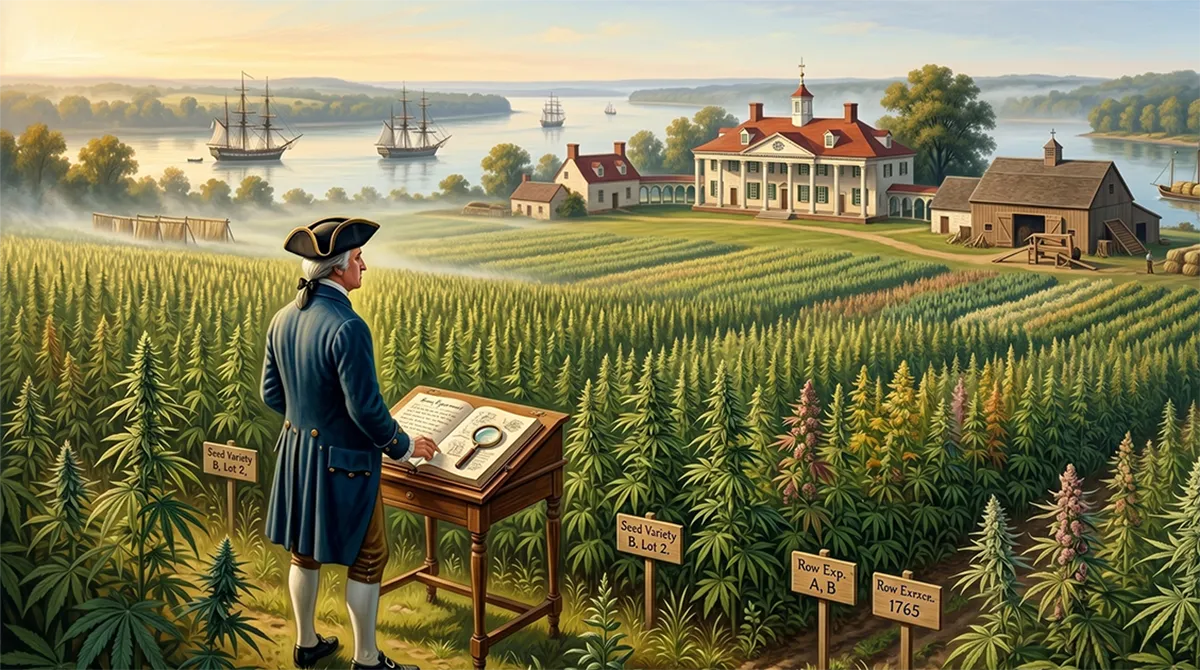
Washington’s Mount Vernon—A Laboratory for Hemp
· Co-Founder & Chief Formulator
While the history books focus on the crossing of the Delaware, the history of American agriculture focuses on the fields of Mount Vernon. George Washington’s transition from tobacco to hemp was one of the most significant pivots in early American farming, and it reveals a side of the First President that many people never see.
The Problem with Tobacco
In the mid-1700s, Virginia’s economy was chained to tobacco. However, tobacco was a “hungry” crop—it stripped the soil of nutrients, leaving land barren after just a few seasons. Furthermore, British merchants controlled the tobacco prices, often keeping American planters in a cycle of debt. Washington, ever the strategist, wanted out.
Hemp: The Strategic Pivot
Washington saw hemp as the solution. It was a “soil builder,” meaning its deep roots helped aerate the earth and its fallen leaves returned nutrients to the ground. But his interest wasn’t just environmental; it was political.
Washington wrote famously about his efforts to grow hemp for “hempen cloth” and “fishing nets.” He understood that a nation that could not clothe itself or gear its own ships could never truly be free.
A Hands-On Researcher
What makes Washington’s hemp history so “nuanced” is his level of personal involvement. In 1765, he wrote about being too late in “pulling the hemp”—a mistake that taught him about the delicate timing required to harvest high-quality fiber versus seeds.
He experimented with different varieties, searching for a plant that could produce the finest, strongest thread. He was essentially running a 18th-century R&D lab for industrial hemp. He even explored the potential for hemp to be used in papermaking, a move that would eventually facilitate the spread of revolutionary ideas through pamphlets and newspapers.
Independence through Industry
Washington’s obsession with hemp wasn’t about a “hobby.” It was about Autarky—the idea of a self-sufficient national economy. By the time the Revolution began, his years of hemp experimentation had helped prove that the American colonies had the raw materials to survive without the British Empire.
Today, as we look at the thriving hemp industry in the 21st century, we are seeing Washington’s vision come full circle. Hemp is once again revitalizing American farms and providing sustainable solutions for wellness and industry alike.
Jason Liss — Co-Founder & Chief Formulator
As a Co-Founder of Wellspring CBD, Jason has been an advocate and pioneer in the cannabis and hemp industries since 1996. Passionate about helping people achieve better health through unique natural supplements, Jason uses his decades of experience to guide readers toward effective wellness solutions.
🌱 🚜 Hemp Plant & History

How to Use Hemp Flower: The Heat-and-Inhale Basics
🌱 The Hemp Plant & History
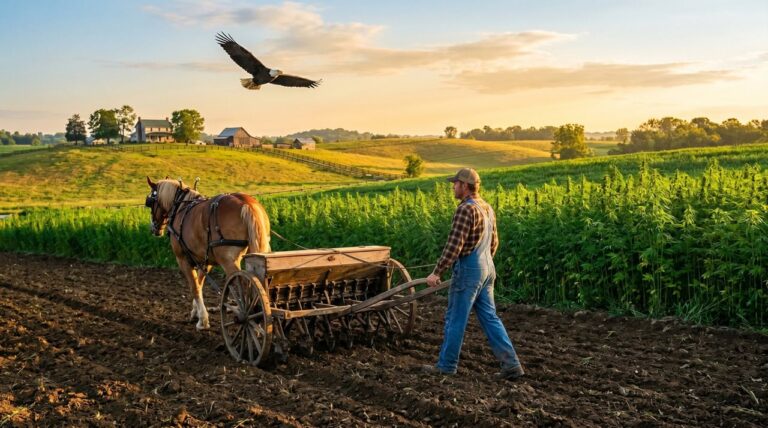
The Dawn of Liberty: How the Farm Bills of 2014 and 2018 Restored America’s Founding Crop
🌱 The Hemp Plant & History
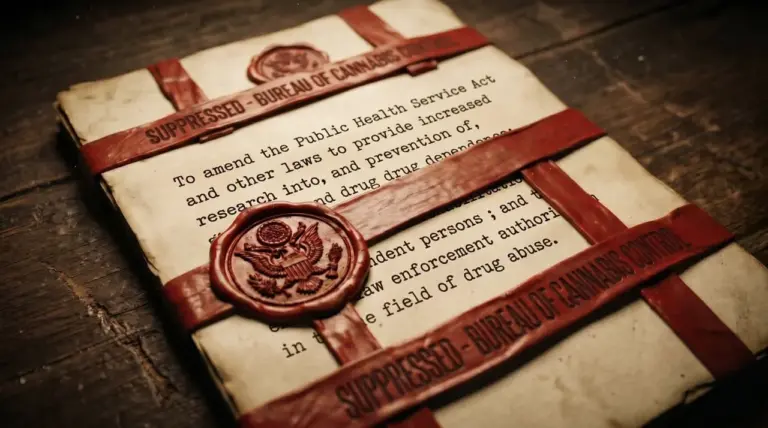
The Dark Ages of Hemp: Bureaucracy, Science, and the 1970 Controlled Substances Act
🌱 New Here? First Order
Take 40% Off Your First Order
Join the Wellspring Journal for honest CBD education — enter your name and email to unlock an exclusive first-order code. Instant, no spam, one-click unsubscribe.
🔒 Instant Code
🌿 Zero Spam
✉️ 1-Click Unsubscribe
🌴 90-Day Promise

Discussion