
🔒 Secure Checkout
·
90-Day Promise
·
Free Shipping $75+
🌱 The Hemp Plant & History
 · Co-Founder & Chief Formulator
Honest Guidance · Daily Routines · Plant Wellness
Drafting Freedom: The Chemical and Logistical History of Hemp in 1776
· Co-Founder & Chief Formulator
As we approach the Semiquincentennial (250th anniversary) of the United States, a persistent legend continues to circulate in the CBD community: “The Declaration of Independence was written on hemp.” If you want to be a student of true history, the answer requires a more nuanced look at 18th-century materials science. The truth is actually far more compelling than the myth, revealing a story of a “rag economy” that fueled the fires of rebellion.

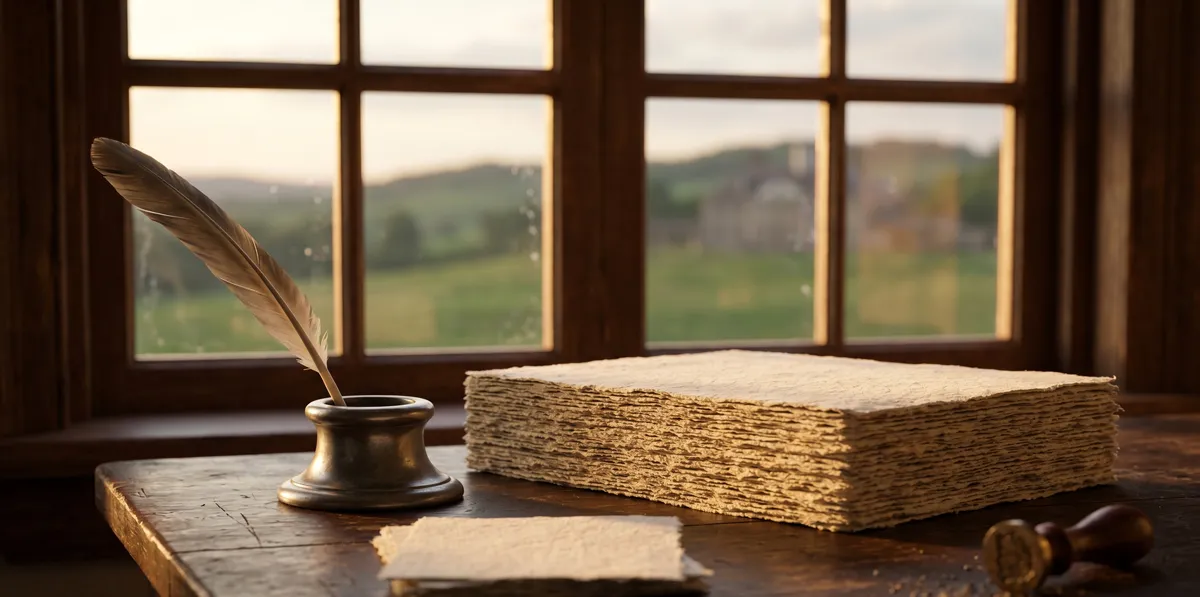
Image from archives.gov Charters of Freedom exhibit page.
The Distinction: Parchment vs. Paper
To understand the Declaration, we have to look at the two different versions produced in the summer of 1776:
- The Engrossed Copy: This is the famous document housed in the National Archives. It was written on parchment—specifically, fine-grained animal skin (usually calf, sheep, or goat) treated with lime and stretched under tension. In 1776, parchment was the standard for “permanent” records because of its near-immortality.
- The Working Drafts & The Dunlap Broadside: This is where hemp enters the narrative. Thomas Jefferson’s “Original Rough Draught” and the first official printed versions (the Dunlap Broadsides) were printed on rag paper.
The “Rag Economy”: How Your Shirt Became a Document
Before the 1840s, wood-pulp paper didn’t exist. Paper was made from “rags”—recycled textiles. Because hemp and linen were the primary fibers used for clothing, ship sails, and sacks, the “paper” of the Revolutionary War was essentially a recycled composite of industrial hemp and flax.
Historical Note: During the war, paper became so scarce that George Washington’s continental army often had to tear up books to use as “wadding” for their muskets. The Committee of Safety in various colonies actually went door-to-door begging citizens to save their old hempen rags to be sent to paper mills.
The Chemistry of Longevity
Why is hemp paper superior to the wood-pulp paper we use today? It comes down to the cellulose.
- Purity: Hemp contains significantly higher concentrations of cellulose (around 70–80%) compared to wood (around 40%).
- Acid-Free: Wood-pulp paper contains lignin, which oxidizes and turns paper yellow and brittle over time. Hemp is naturally low in lignin, making its paper “archival grade” by default.
- Tensile Strength: Hemp fibers are significantly longer than wood fibers. This “molecular interlocking” is why a draft of the Declaration from 250 years ago can still be handled today, while a newspaper from 1990 is already crumbling.
Hemp as a Tool of Subversion
The British Crown attempted to control the colonies by taxing and regulating paper (most notably through the Stamp Act of 1765). By cultivating hemp and establishing local paper mills, the colonists were engaging in a form of economic warfare. They were essentially saying: “We can grow our own clothes, rig our own ships, and print our own revolutionary ideas without your permission.”
The “1776 Heritage Reserve”: Raw History in a Bottle
At Wellspring, we were inspired by this era of “Raw Liberty.” In the 1700s, things weren’t bleached, refined, or deodorized—they were used in their most potent, natural state.
That is why our 1776 Heritage Reserve is an unrefined, raw extract.
- The Potency: 1776mg of Full-Spectrum CBD.
- The Secondary Act: 250mg of raw CBDa (Cannabidiolic Acid).
- The Experience: It is dark, earthy, and has a bitter bite—the flavor of a plant that hasn’t been stripped of its soul.
Just like the hemp-paper drafts of the Declaration, our Heritage Reserve isn’t meant to be “pretty”—it’s meant to be effective.
Jason Liss — Co-Founder & Chief Formulator
As a Co-Founder of Wellspring CBD, Jason has been an advocate and pioneer in the cannabis and hemp industries since 1996. Passionate about helping people achieve better health through unique natural supplements, Jason uses his decades of experience to guide readers toward effective wellness solutions.
🌱 🚜 Hemp Plant & History
How to Use Hemp Flower: The Heat-and-Inhale Basics
🌱 The Hemp Plant & History
The Dawn of Liberty: How the Farm Bills of 2014 and 2018 Restored America’s Founding Crop
🌱 The Hemp Plant & History
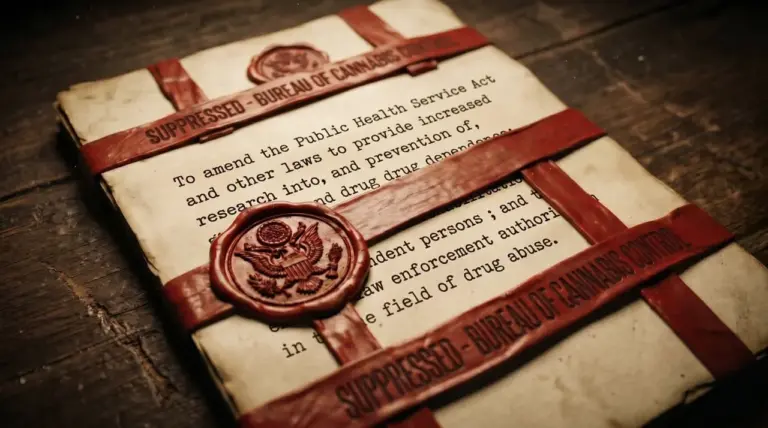
The Dark Ages of Hemp: Bureaucracy, Science, and the 1970 Controlled Substances Act
🌱 New Here? First Order
Take 40% Off Your First Order
Join the Wellspring Journal for honest CBD education — enter your name and email to unlock an exclusive first-order code. Instant, no spam, one-click unsubscribe.
🔒 Instant Code
🌿 Zero Spam
✉️ 1-Click Unsubscribe
🌴 90-Day Promise
Discussion