Join Our Newsletter And Save 50%* On Your First Order
Get the lowdown on exciting updates, new products, exclusive discounts, and more.
*Good on WellspringCBD and Weltaday branded products only.
Get the lowdown on exciting updates, new products, exclusive discounts, and more.
*Good on WellspringCBD and Weltaday branded products only.




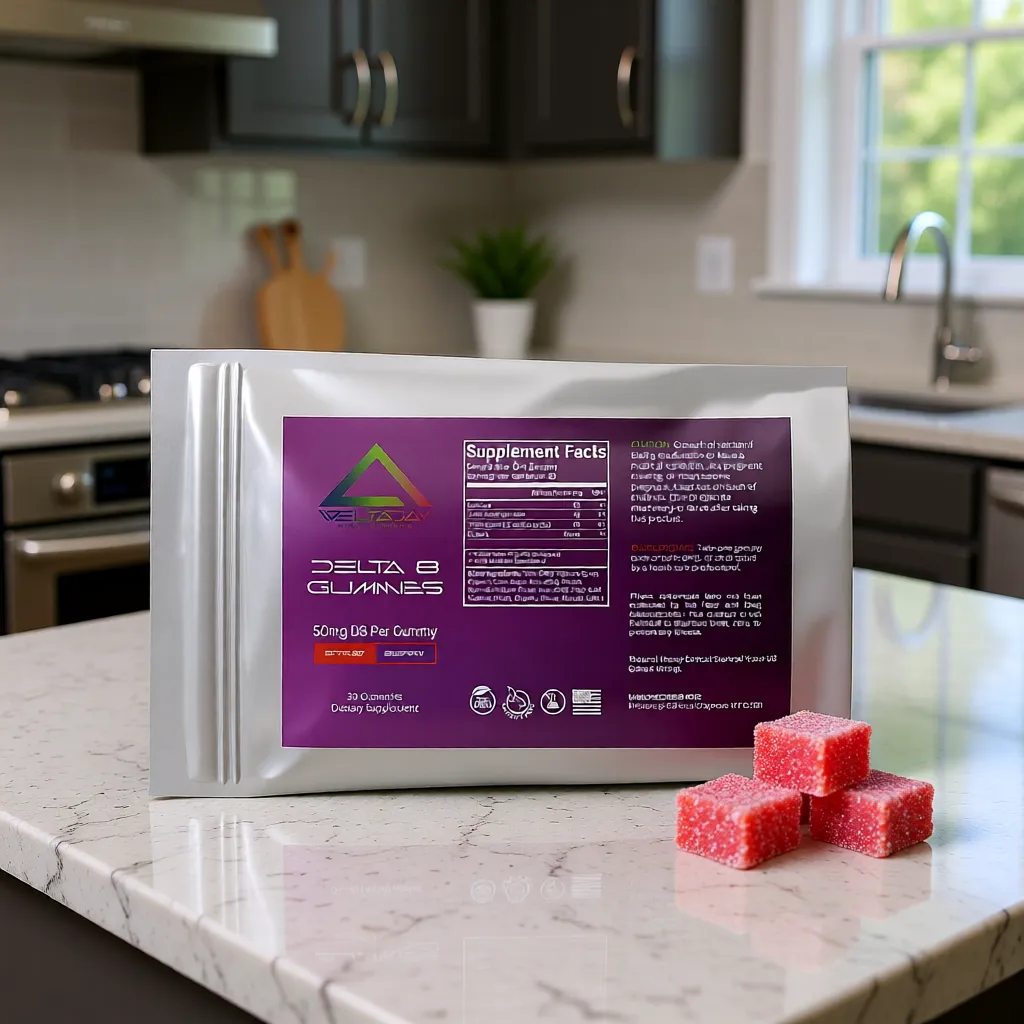


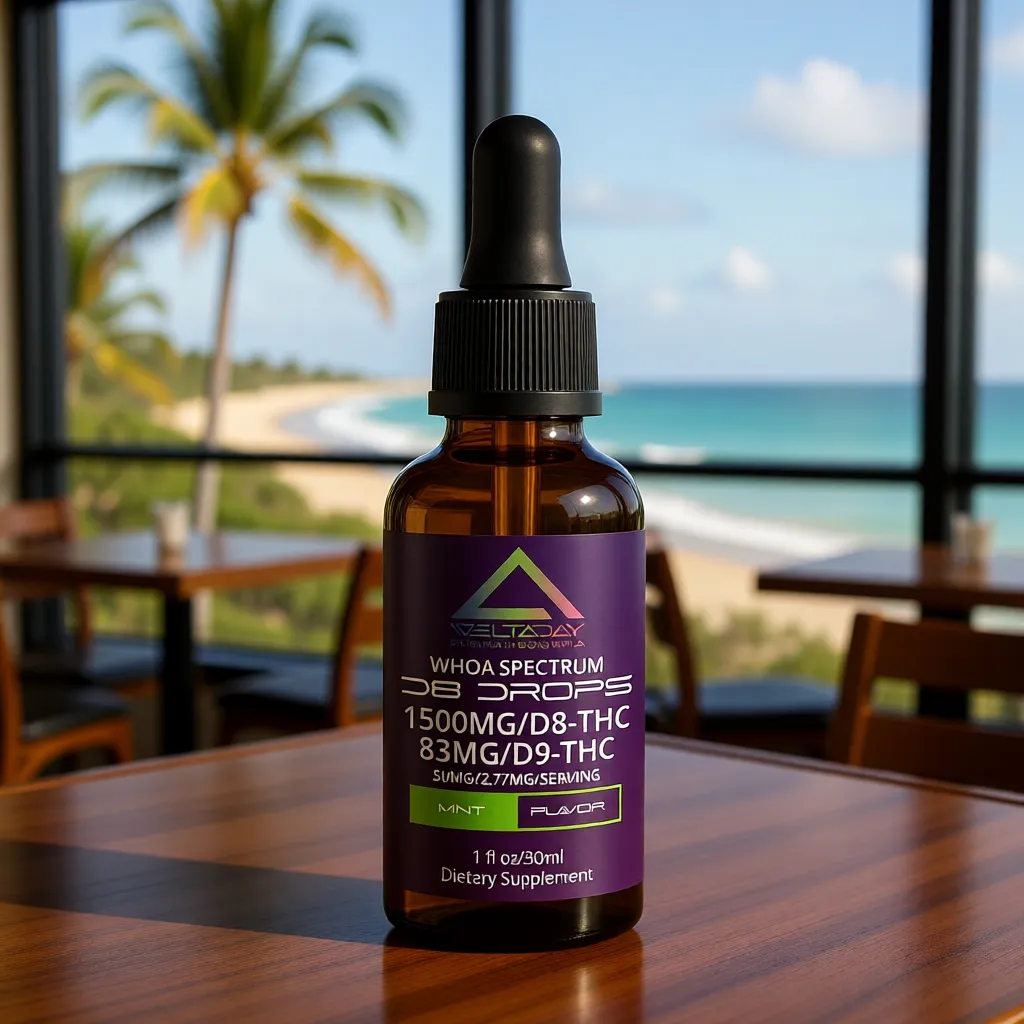





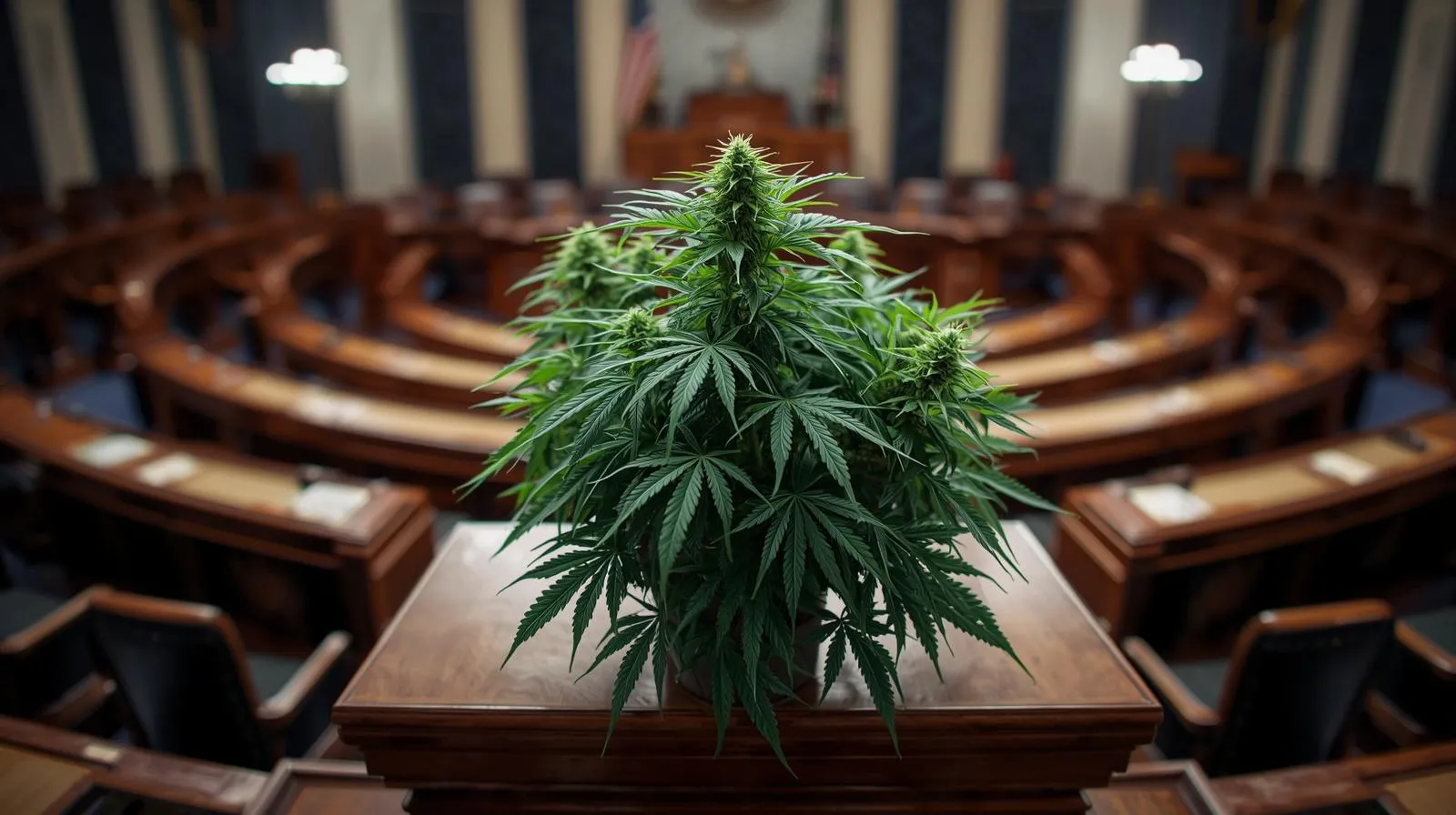
The United States hemp industry, once a nascent market, now stands at a pivotal crossroads. What began with the promise of a fully legalized, regulated, and thriving agricultural commodity has evolved into a complex, often confusing, and increasingly scrutinized landscape.
The foundational legislation, the 2018 Farm Bill, opened the doors for widespread cultivation and the development of a diverse array of hemp products. However, the rapid innovation within the industry, particularly in the realm of hemp-derived cannabinoids, has outpaced regulatory clarity, leading to a dynamic and often uncertain legal environment. This comprehensive guide is designed to demystify the current state of hemp regulations, exploring the federal framework, the intricate web of state laws, and the profound implications for businesses and consumers alike.
We will dissect the key legislative actions, the challenges faced by regulators and law enforcement, and the critical business considerations for navigating this evolving terrain.
 The U.S. hemp market has seen significant growth, with projections indicating a substantial increase by 2030, highlighting the economic importance of regulatory clarity.
The hemp industry has experienced remarkable growth since the passage of the 2018 Farm Bill. In 2023, the total value of U.S. hemp production reached $291 million, an 18% increase from the previous year USDA National Agricultural Statistics Service, 2024.
Projections indicate even more substantial expansion, with the U.S. industrial hemp market expected to reach USD 6.22 billion by 2030, growing at a compound annual growth rate (CAGR) of 21.1% National Industrial Hemp Council, 2025 (as reported by The Ultimate Bucket list of Hemp Predictions). However, this economic vitality is increasingly overshadowed by regulatory uncertainty. The very definition of hemp, the legality of various hemp-derived cannabinoids, and the compliance requirements for businesses are in constant flux. Understanding these evolving regulations is no longer an option but a necessity for survival and success in the modern hemp market.
 The current hemp regulatory landscape is a balancing act, with rapid industry innovation and growth clashing with public health, law enforcement, and political pressures.
This article will provide a detailed exploration of the federal and state legal landscape surrounding hemp. We will begin by examining the cornerstone of current hemp law, the 2018 Farm Bill, and its initial impact. Subsequently, we will delve into the driving forces behind the ongoing regulatory evolution, including public health concerns, law enforcement challenges, and political pressures.
A significant portion will be dedicated to understanding the federal crossroads, focusing on anticipated legislative changes, the critical “total THC” debate, and the potential reclassification of certain hemp derivatives. We will then navigate the complex and varied state-specific hemp regulations, highlighting interstate commerce challenges and the impact on specific hemp-derived cannabinoid products.
Finally, we will dissect the implications for the burgeoning market of hemp-derived cannabinoids, including delta-8 THC and delta-10 THC, discuss the continued oversight of CBD products, and explore the future of emerging product categories. Crucially, we will analyze the business implications for compliance, finance, and supply chain management, offering insights on how to navigate this dynamic environment proactively.
The Agricultural Improvement Act of 2018, commonly known as the 2018 Farm Bill, was a landmark piece of legislation that fundamentally reshaped the legal status of hemp in the United States. Prior to its passage, hemp was largely indistinguishable from marijuana under federal law, hindering its agricultural and commercial potential. The 2018 Farm Bill sought to rectify this by establishing a clear federal framework for the cultivation, processing, and sale of hemp and its derivatives.
A critical element of the 2018 Farm Bill was its redefinition of hemp. Under the legislation, hemp is defined as any part of the plant Cannabis sativa L., and any derivative, extract, cannabinoid, salt, isomer, acid, or salt of an isomer, regardless of the form of the plant, with a delta-9 tetrahydrocannabinol (THC) concentration of not more than 0.3 percent on a dry weight basis.
This distinction was crucial. By setting a clear, quantifiable THC limit, the Farm Bill differentiated hemp from marijuana, which, under the Controlled Substances Act, is classified as a Schedule I drug. This legal separation opened the door for commercial activities that were previously prohibited. The U.S. Department of Agriculture (USDA) was tasked with establishing regulations for hemp cultivation, licensing, and oversight.
Hemp crop insurance through Multi-Peril Crop Insurance is now available in certain counties within 27 states, covering hemp grown for fiber, grain, or CBD oil, signifying a federal commitment to supporting the industry Farmers.gov (USDA), accessed March 2026.
The immediate impact of the 2018 Farm Bill was transformative. It legalized hemp production nationwide, spurring a significant increase in cultivation. Total planted area for industrial hemp in the U.S. for all utilizations reached 45,294 acres in 2024, a remarkable 64% increase from 2023 USDA National Agricultural Statistics Service, 2025 (as reported by CBD.market).
This surge in cultivation laid the groundwork for a burgeoning hemp industry, encompassing growers, processors, manufacturers, and retailers. The production of cannabidiol (CBD), a non-intoxicating cannabinoid, became a primary driver of this growth, with the global CBD market size valued at USD 22.8 billion in 2023 and projected to reach $108 billion by 2032 Global Market Insights, 2024.
The value of U.S. industrial hemp production grew to $445 million in 2024, a 40% increase from 2023, demonstrating the rapid economic expansion USDA National Agricultural Statistics Service, 2025 (as reported by MJBizDaily). This period saw an influx of investment and entrepreneurial activity, all operating under the assumption of a clearly defined legal framework.
While the 2018 Farm Bill was a significant step forward, its implementation and interpretation quickly revealed unintended consequences, leading to a “regulatory gray zone.” The primary issue stemmed from the focus on delta-9 THC alone.
This narrow definition, while effective for distinguishing hemp from marijuana at the plant level, did not adequately address other intoxicating cannabinoids that could be derived from hemp. As scientific understanding of cannabinoids advanced and extraction techniques improved, manufacturers began creating a wide array of hemp-derived cannabinoid products, including delta-8 THC, delta-10 THC, and others.
These compounds, while technically hemp-derived and potentially falling below the 0.3% delta-9 THC threshold in the final product, often possess intoxicating properties similar to marijuana.
This created a confusing legal environment where products could be legally manufactured and sold as hemp-derived, yet produced psychoactive effects. The absence clear federal guidance from agencies like the Food and Drug Administration (FDA) on these specific hemp-derived cannabinoids exacerbated the situation.
The USDA’s purview primarily covered cultivation, leaving the regulation of finished products to other agencies. This gap allowed for the proliferation of a vast and largely unregulated market for intoxicating hemp-derived cannabinoid products, raising concerns about consumer safety, product consistency, and potential diversion to illicit markets.
The regulatory landscape for hemp is not static; it is actively evolving due to a confluence of pressing issues. What began as a clear distinction has become increasingly complex, prompting federal action and calls for greater clarity from various stakeholders.
A primary driver for regulatory evolution is the escalating concern for public health and consumer safety. The rapid proliferation of hemp-derived cannabinoid products, particularly those with intoxicating effects, has occurred largely without robust federal oversight. This has led to a marketplace where product quality, potency, and purity can vary dramatically.
Consumers may unknowingly purchase products that are mislabeled, contaminated with harmful substances, or contain significantly higher levels of THC than advertised. The FDA has issued warning letters to companies marketing products containing delta-8 THC and other intoxicating hemp-derived cannabinoids, citing concerns about unsubstantiated health claims and the potential for acute adverse events.
Without standardized testing protocols and clear labeling requirements, consumers face significant risks. This lack of consumer protection has put pressure on federal agencies and Congress to establish more stringent regulations.
Law enforcement agencies have grappled with the practical challenges of differentiating legal hemp from illicit marijuana. While the 0.3% delta-9 THC limit is a clear marker, the difficulty arises with products derived from hemp that contain intoxicating cannabinoids. Identifying whether a product originated from legal hemp or illicit marijuana can be challenging in the field, leading to potential confusion and inconsistent enforcement.
The widespread availability of intoxicating hemp-derived products can blur the lines and potentially complicate efforts to combat illegal cannabis markets. Legislators and law enforcement officials are seeking clearer guidelines and testing methodologies to ensure consistent and effective regulation, preventing the diversion of hemp into illegal channels.
The hemp industry itself is a significant force driving regulatory change. Businesses operating within the sector are increasingly demanding clarity and consistency in federal law. The current patchwork of state regulations and deficiency of clear federal rules create significant hurdles for interstate commerce, product development, and investment.
Companies face uncertainty regarding which products are permissible in different jurisdictions and how to ensure compliance. Lobbying efforts by industry groups, farmers, and advocacy organizations have intensified, pushing Congress and federal agencies to address the ambiguities. These stakeholders are advocating for regulations that provide a stable and predictable market environment while ensuring consumer safety and fair competition.
The economic stakes are high, with the U.S. industrial hemp market projected for substantial growth National Industrial Hemp Council, 2025 (as reported by The Ultimate Bucket list of Hemp Predictions).
Several federal agencies play a role in shaping hemp regulations, each with its distinct jurisdiction and perspective. The U.S. Department of Agriculture (USDA) is primarily responsible for developing and implementing regulations for hemp cultivation. This includes establishing licensing programs for growers and processors and overseeing production practices to ensure compliance with the 0.3% delta-9 THC limit.
The Food and Drug Administration (FDA) holds authority over food, drugs, and cosmetics. Its role concerning hemp is complex and has been a source of significant debate. While the FDA has acknowledged that hemp and hemp-derived CBD can be lawfully marketed as food or dietary supplements, it has maintained that it is illegal to introduce into interstate commerce or sell food or dietary supplements that have been adulterated with CBD.
The agency has also expressed concerns about the marketing of CBD as a treatment for diseases and has yet to establish a clear regulatory pathway for CBD in over-the-counter products. The FDA’s continued oversight of CBD-containing products, along with its focus on the safety of other hemp-derived cannabinoids, is a critical factor in the evolving regulatory landscape.
The Drug Enforcement Administration (DEA) has historically played a role in the classification of cannabis. While the 2018 Farm Bill removed hemp from the Controlled Substances Act, the DEA’s stance on synthetic cannabinoids or analogues derived from hemp can still influence regulatory discussions.
The future of hemp regulation in the United States hinges on a series of critical legislative actions and agency rulemaking processes. As the 2018 Farm Bill’s provisions are reviewed and debated, significant shifts are on the horizon, particularly concerning the definition of hemp and the regulation of intoxicating derivatives.
Perhaps the most significant impending change revolves around the measurement of THC content. The original 0.3% delta-9 THC limit is increasingly viewed as insufficient to differentiate legal hemp from intoxicating products. Many stakeholders, including lawmakers, regulators, and law enforcement, advocate for a shift to a “total THC” measurement. This approach would account for the sum of delta-9 THC and the potential for delta-9 THC to be derived from tetrahydrocannabinolic acid (THCA), which is naturally abundant in hemp but converts to delta-9 THC when heated.
Legislation has already begun to address this. For instance, appropriations bills have included language that redefines hemp to exclude products containing “quantifiable” amounts of THC or THCA, effectively moving towards a total THC standard. This broader approach aims to close perceived loopholes and provide a more accurate measure of a product’s potential for intoxication.
From a regulatory standpoint, this is a critical development that will redefine what constitutes legal hemp-derived products. The implementation of total THC testing and reporting will necessitate significant adjustments in manufacturing, testing, and compliance for the entire hemp industry.
The evolving understanding of hemp-derived cannabinoids has also raised questions about their potential reclassification under the Controlled Substances Act (CSA). As certain hemp-derived compounds are chemically identical or very similar to controlled substances found in marijuana, there is ongoing discussion about whether they could be considered analogues. While the 2018 Farm Bill explicitly removed hemp from the CSA, the legality of synthesized or converted cannabinoids derived from legally grown hemp remains a complex legal question.
Some proposed legislative efforts aim to create clearer distinctions, while others might lead to a scenario where certain hemp-derived products, particularly those with significant intoxicating potential, could be subject to stricter regulation or even be reclassified. The outcome of these discussions will have profound implications for the availability and legality of many popular hemp products.
A report from Whitney Economics in 2025 suggested that the federal government might be “undervaluing” the hemp industry based on flawed methodology, which could influence regulatory decisions and market perceptions Whitney Economics, 2025 (as reported by Marijuana Moment).
Beyond the broad scope of the Farm Bill reauthorization, specific legislative efforts are underway to address the current regulatory gaps. The “Planting Predictability Act,” for example, along with other proposed bills, aims to provide clearer guidelines for hemp cultivation and processing, harmonize federal and state regulations, and establish a more predictable market. These legislative efforts often focus on several key goals:
The progression of these legislative proposals through Congress is closely watched by the hemp industry, as they represent the most direct path to regulatory clarity and stability.
While federal law provides an overarching framework, the reality on the ground for the hemp industry is characterized by a complex and often contradictory web of state-specific regulations. Each state has approached the legalization and regulation of hemp differently, creating a patchwork that can be challenging for businesses to navigate.
States have adopted a wide spectrum of approaches to hemp regulation. Some states have aligned closely with federal guidelines, establishing robust licensing and testing programs for hemp cultivation and product manufacturing. These states generally permit a broad range of hemp products, provided they meet federal and state-specific requirements, including the 0.3% delta-9 THC limit.
Conversely, other states have implemented stricter regulations, often mirroring the federal distinction but with additional requirements for product testing, labeling, and even outright bans on certain types of hemp-derived cannabinoid products. For example, some states have chosen to ban or severely restrict intoxicating hemp-derived cannabinoids like delta-8 THC, classifying them as illicit substances or requiring them to adhere to the same regulations as state-licensed marijuana products.
Oregon, for instance, leads in U.S. floral hemp production, accounting for 35% of the total floral hemp acreage in 2023, showcasing regional specialization and varying state agricultural focuses OSU Extension Service, 2024. This diversity in approach means that a product legal in one state may be prohibited in another.
The disparate state regulations create significant challenges for interstate commerce. Businesses that operate across state lines must comply with the specific laws of each state where they sell their products. This can involve obtaining multiple licenses, adhering to different testing standards, and navigating varying marketing and labeling requirements.
The void of a unified federal standard for hemp-derived cannabinoid products exacerbates this issue. For example, sales of hemp-derived cannabinoids in Texas saw an explosive increase of 1283% from 2020 to 2023, reaching $2.78 billion in 2023, highlighting the significant consumer demand that must be met within varying state legal frameworks Baker Institute, 2024. Companies must meticulously research and understand the legal status of their products in each target market to avoid compliance violations, which can range from product seizures to hefty fines and legal action.
The rise of intoxicating hemp-derived cannabinoids like delta-8 THC and delta-10 THC has prompted many states to take action. As these products gain popularity, concerns about their safety and potential for misuse have led to a growing number of states banning or heavily restricting their sale. These bans are often enacted through legislative action or executive orders, reflecting a state’s specific public health priorities and interpretation of federal law.
These state-level prohibitions can have a substantial impact on manufacturers and retailers. A product that was legally produced and sold under federal guidelines might suddenly become illegal in key markets. This forces businesses to adapt their product offerings, revise their distribution strategies, and navigate an ever-shifting legal landscape. The necessity of a clear federal stance on these specific cannabinoids empowers states to act independently, creating further fragmentation in the market.
The regulatory evolution is having a profound and direct impact on the market for hemp-derived cannabinoids and the diverse array of products that incorporate them. The distinction between federally legal hemp and state-defined illicit substances is becoming increasingly blurred, creating both challenges and opportunities.
Delta-8 THC and delta-10 THC have emerged as key regulatory battlegrounds. These cannabinoids can be legally synthesized from CBD derived from legal hemp, and they possess intoxicating properties. However, their legal status is far from settled. While some federal legislation has signaled an intent to regulate them more strictly, many states have moved to ban or heavily restrict them. This creates a highly volatile market for these products. Manufacturers and distributors must constantly monitor legislative changes at both the federal and state levels to ensure compliance. The uncertainty surrounding these isomers directly impacts their production, distribution, and consumer accessibility, making them prime examples of the regulatory challenges facing the hemp industry.
Cannabidiol (CBD), the most prevalent non-intoxicating cannabinoid, has been a cornerstone of the hemp industry. While the 2018 Farm Bill legalized hemp and its derivatives, the FDA has yet to establish a clear regulatory pathway for CBD in food, dietary supplements, or cosmetics. The agency has issued warning letters to companies marketing CBD products with unsubstantiated health claims and has emphasized that products containing CBD cannot be legally marketed as dietary supplements or conventional foods.
Despite this, a substantial market for CBD products continues to exist, often operating under existing FDA regulations for food and supplements that do not explicitly prohibit hemp derivatives.
Manufacturers must adhere to general FDA guidelines regarding safety, labeling, and marketing claims. Any future FDA rulemaking on CBD will have a significant impact on this massive segment of the hemp market, influencing product development, marketing strategies, and consumer access.
The innovation within the hemp industry has led to the creation of numerous novel product categories, most notably THC gummies and THC beverages. These products leverage hemp-derived cannabinoids, often including delta-8 THC, delta-10 THC, and other isomers, to create accessible and convenient formats for consumers seeking various effects. The legality of these products is intricately tied to the evolving regulations surrounding specific cannabinoids and the definition of total THC.
As federal and state governments grapple with how to regulate intoxicating hemp-derived products, the future of THC gummies and beverages remains uncertain. Many states have already implemented restrictions or outright bans on products containing these intoxicating hemp derivatives. The ongoing debate about total THC measurement will be particularly consequential for these products, as it could significantly alter their legal classification. Businesses operating in this space must be highly adaptable, closely monitoring legislative developments and preparing for potential shifts in market access and product permissibility.
The need for standardized testing guidelines and manufacturing standards presents a significant challenge for hemp-derived cannabinoid products. Without uniform protocols, it is difficult to ensure the accuracy and reliability of potency testing, cannabinoid profiles, and the absence of contaminants. This inconsistency contributes to the “regulatory gray zone” and raises concerns about product safety and consumer trust.
Federal agencies, particularly the FDA, are increasingly focused on establishing clear standards for testing and manufacturing to ensure product integrity. The development of these guidelines is crucial for bringing greater legitimacy and safety to the hemp-derived cannabinoid market. Businesses that proactively implement rigorous internal quality control measures and stay ahead of emerging regulatory requirements will be better positioned for long-term success. The global industrial hemp market is projected for significant growth, from USD 11.03 billion in 2024 to USD 30.24 billion by 2029, underscoring the economic importance of addressing these challenges MarketsandMarkets, 2025.
The evolving regulatory landscape for hemp has far-reaching implications for businesses operating within the industry. Navigating this terrain requires a strategic approach to compliance, financial management, and supply chain operations.
For hemp businesses, staying compliant is paramount. This involves a multi-faceted approach:
The regulatory uncertainty in the hemp industry presents both significant financial risks and emerging opportunities.
The supply chain for hemp products is particularly vulnerable to regulatory shifts. Changes in federal or state laws can render entire batches of inventory non-compliant overnight, leading to significant financial losses and operational disruptions.
The hemp industry is in a state of dynamic evolution, driven by legislative advancements, evolving scientific understanding, and increasing public demand. The foundational 2018 Farm Bill legalized hemp by defining it based on a 0.3% delta-9 THC limit, spurring significant growth and investment. However, the subsequent emergence of hemp-derived cannabinoids like delta-8 THC and delta-10 THC created a regulatory gray zone, prompting concerns about public health, law enforcement, and market integrity.
The upcoming legislative sessions and agency rulemaking processes, particularly the anticipated shift towards a “total THC” measurement, will be critical in shaping the future of hemp regulations. This change is poised to redefine what constitutes legal hemp products and will necessitate significant adjustments across the industry. State-specific regulations add another layer of complexity, creating a patchwork of laws that challenge interstate commerce and require businesses to maintain diligent compliance efforts.
For businesses, navigating this landscape demands a proactive and adaptable strategy. This involves a deep understanding of both federal and state laws, robust product testing and labeling, secure supply chain management, and a keen awareness of financial risks and opportunities. The hemp industry holds immense economic potential, with projected market growth indicating a bright future for compliant and innovative enterprises. By staying informed, prioritizing transparency, and embracing regulatory shifts, stakeholders can successfully navigate these evolving legal waters and contribute to the responsible development of the U.S. hemp industry. The path forward requires collaboration between industry, regulators, and lawmakers to foster a clear, consistent, and safe market for hemp and its diverse array of products.