Join Our Newsletter And Save 50%* On Your First Order

Get the lowdown on exciting updates, new products, exclusive discounts, and more.
*Good on WellspringCBD and Weltaday branded products only.
Newsletter Form (#4)

Free Priority Shipping On All Orders $75+

The Lymphatic System & Cannabinoids: A Complete Guide to Flow, Detox, and Balance

Most people think about the heart, lungs, and brain when they think of “health.”
But quietly working behind the scenes is a system that’s just as important: your lymphatic system.

If you’ve ever felt puffy, sluggish, “toxic,” or like your immune system can’t keep up, your lymphatic system may be asking for support. Simple daily habits can make a big difference—and emerging research suggests that cannabinoids may also help your body maintain balance between the lymphatic system and the endocannabinoid system (ECS).

This guide will walk you through:

  • What the lymphatic system is and what it does
  • Practical, low‑effort ways to keep lymph moving
  • How the endocannabinoid system interacts with lymph and immunity
  • Where cannabinoids like CBD, CBG, CBN, and others may fit into a lymph‑supportive routine

This content is for educational purposes only and is not medical advice. Always consult your healthcare provider about any health concerns, especially if you have a diagnosed lymphatic condition, autoimmune issue, or are on medications.


1. What Is the Lymphatic System?

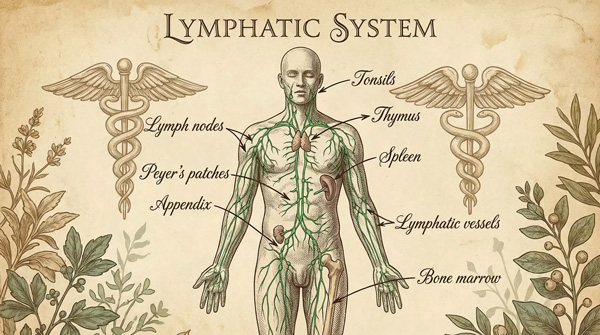
they lymphatic system is our body's waste management, fluid balancing, and immune support network.

Think of the lymphatic system as your body’s waste‑management, fluid‑balancing, and immune‑support network.

It’s made up of:

  • Lymph fluid – A clear, watery fluid that carries immune cells, proteins, fats, and cellular waste.
  • Lymph vessels – A network of tiny tubes (similar to veins) that transport lymph fluid throughout the body.
  • Lymph nodes – Small, bean‑shaped filters found in clusters in the neck, armpits, groin, abdomen, chest, and along major vessels.
  • Lymphoid organs – Including the spleenthymustonsils, adenoids, and gut‑associated lymphoid tissue (GALT).

Unlike your circulatory system, which has the heart to pump blood, the lymphatic system doesn’t have a central pump. Lymph moves because you move:

  • Muscle contractions
  • Breathing and diaphragm motion
  • Body position and gravity

That’s why sedentary lifestyles, shallow breathing, and long periods of sitting can contribute to sluggish lymph flow.


2. What Does the Lymphatic System Do?

The lymphatic system has four primary jobs:

2.1 Fluid Balance

Every day, plasma leaks out of tiny blood vessels (capillaries) into surrounding tissues to deliver oxygen and nutrients. Most of it goes back into circulation—but not all.

The lymphatic system:

  • Collects excess fluid from tissues
  • Filters it through lymph nodes
  • Returns it to the bloodstream

When lymph isn’t moving well, fluid can stay in tissues longer, contributing to puffiness, mild swelling, and that “heavy” feeling in arms or legs.

2.2 Waste Removal & Detox Support

Cells constantly generate waste: used proteins, damaged cell parts, metabolic byproducts. The lymphatic system:

  • Picks up some of this cellular waste
  • Carries it through lymph vessels and nodes
  • Delivers it to organs like the liver and kidneys for processing and elimination

It’s not the only “detox” system (the liver and kidneys are major players), but lymph flow heavily influences how efficiently waste is cleared from tissues.

2.3 Immune Defense

Lymph nodes are like security checkpoints. Lymph fluid passes through them to be “screened” for:

  • Bacteria
  • Viruses
  • Toxins
  • Abnormal cells

Inside each node are immune cells such as lymphocytes and macrophages. If they detect a threat, they:

  • Capture and break down pathogens
  • Trigger immune responses
  • Help coordinate inflammation where needed

This is why lymph nodes can feel tender or swollen when you’re fighting an infection.

2.4 Fat Absorption

In the small intestine, specialized lymph vessels called lacteals absorb certain fats and fat‑soluble vitamins. They transport them as chylomicrons through the lymphatic system and eventually into the bloodstream.

So the lymphatic system plays a quiet but essential role in digestive health and nutrient absorption, too.


3. Lymph vs Blood: How Are They Different?

It’s easy to confuse them, but they serve different purposes:

  • Blood is pumped by the heart, circulates rapidly, and carries oxygen, nutrients, and hormones.
  • Lymph is slower, pump‑less, and focused on:
    • Collecting excess tissue fluid
    • Moving fats and immune cells
    • Carrying waste products

Key difference:
If you sit still all day, your heart will keep your blood moving—but your lymph flow will slow down significantly.

That’s one reason light movement, deep breathing, and simple daily practices can have such a noticeable impact on how you feel.


4. Common Signs Your Lymph Flow May Be Sluggish

(Non‑diagnostic, for general education only)

Many factors can cause swelling, fatigue, or immune challenges, so these signs are not specific to lymph issues. But people often report:

  • General puffiness (face, under eyes, hands, ankles)
  • A “heavy” or tight feeling in arms or legs
  • Feeling unusually sluggish or tired
  • Frequent or lingering minor infections (like colds)
  • Stiffness that improves after gentle movement
  • A sense of being “backed up” or stagnant

If you notice these consistently, especially with visible or painful swelling, it’s wise to talk with a healthcare provider. Conditions like lymphedemachronic venous insufficiency, heart, or kidney issues must be evaluated and managed by a professional.
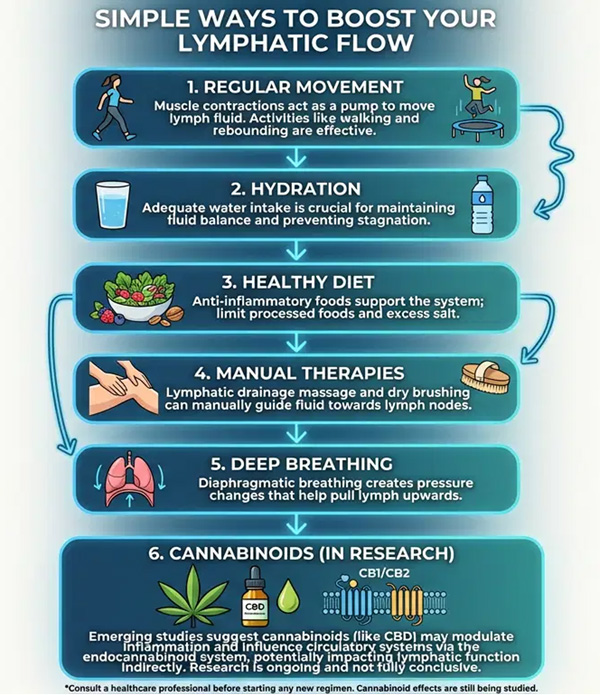

5. Simple Ways to Keep Your Lymph Flowing

6 easy ways to improve the health of your lymphatic system

Because your lymphatic system relies on movement and pressure changes instead of a pump, small daily habits can add up.

Here are supportive, low‑cost practices that may help encourage healthy lymph flow.

If you have lymphedema, heart disease, uncontrolled blood pressure, or other cardiovascular or circulatory conditions, check with your provider before starting new routines like compression, intensive massage, or jumping exercises.

5.1 Move Your Body (Especially the Calves)

Why it helps: Muscle contractions squeeze lymph vessels and help propel fluid upward.

Practical options:

  • Frequent mini‑walks: Stand up and walk for 2–5 minutes every hour.
  • Calf raises: While brushing your teeth or waiting for coffee, lift and lower your heels 10–20 times.
  • Gentle stretching or yoga: Especially poses that bend and straighten joints.

You don’t need intense workouts. Consistency beats intensity for lymph health.

5.2 Deep, Diaphragmatic Breathing

Your diaphragm acts like a gentle internal pump, massaging lymph vessels in the chest and abdomen.

Try this simple pattern:

  1. Sit or lie comfortably.
  2. Place a hand on your belly.
  3. Inhale slowly through your nose for a count of 4, letting your belly rise.
  4. Hold for a count of 2.
  5. Exhale through your mouth for a count of 6–8.
  6. Repeat for 5–10 breaths.

Do this several times per day—especially if you sit a lot or feel tense.

5.3 Hydration (But Smart)

Lymph is mostly water. When you’re dehydrated, lymph can become more viscous and sluggish.

Supportive tips:

  • Sip water throughout the day rather than chugging large amounts at once.
  • Add a pinch of mineral‑rich salt or a splash of electrolyte solution if you sweat heavily.
  • Hydrating foods (cucumber, citrus, berries, broth) are helpful, too.

Aim for pale yellow urine as a very general day‑to‑day guideline, adjusting for your climate, body size, activity level, and medical advice.

5.4 Dry Brushing

Dry brushing uses a soft, natural‑bristle brush on dry skin in upward strokes, usually before showering.

Potential benefits:

  • Gently stimulates superficial lymph vessels
  • Increases circulation in the skin
  • Helps exfoliate dead skin cells

How to dry brush:

  1. Use a soft, natural‑bristle brush.
  2. On dry skin, start at the feet and brush upward toward the heart using light to moderate pressure.
  3. Brush each area 5–10 times.
  4. Move to hands and arms, brushing toward the armpits.
  5. On the torso, brush toward the heart and collarbones.
  6. Shower afterward and moisturize if desired.

Avoid:

  • Broken or irritated skin
  • Areas with rashes, infections, or active inflammation

5.5 Rebounding or Gentle Jumping

Rebounding (light bouncing on a mini‑trampoline) creates rhythmic up‑and‑down forces that help move lymph.

If you don’t have a trampoline:

  • Lightly bounce in place
  • March with a little “lift” in your steps
  • Try gentle jump rope or low‑impact step‑ups if joints tolerate it

Start small: 1–3 minutes at a time, several times daily, and listen to your joints and cardiovascular system.

5.6 Gentle Self‑Massage

Light, rhythmic strokes can help encourage lymph movement, especially near major lymph node clusters:

  • Behind the knees
  • Groin
  • Abdomen (around the navel)
  • Armpits
  • Around the collarbones and neck

Important: Lymph drainage is very gentle. You’re moving skin and superficial tissues, not digging into deep muscles. If you have known lymphatic issues, surgery, or cancer history, consult a certified lymphatic therapist before DIY drainage.

5.7 Supportive Nutrition & Lifestyle

While there’s no “magic lymph diet,” supportive habits include:

  • Plenty of colorful fruits and vegetables (antioxidants, polyphenols)
  • Adequate lean protein (for immune cell production and tissue repair)
  • Healthy fats (omega‑3s from fish, flax, chia; olive oil; nuts)
  • Limiting ultra‑processed foods and excess added sugar
  • Managing stress (chronic stress can impact both the immune and endocannabinoid systems)
  • Prioritizing sleep, which is when many repair and cleanup processes are most active

6. Meet the Endocannabinoid System (ECS)

To understand how cannabinoids might support lymphatic and immune balance, you first need to know about the endocannabinoid system (ECS).

The ECS is a regulatory network found throughout the body that helps maintain homeostasis—your internal balance.

It includes:

  • Endocannabinoids – Compounds your body makes on its own (like anandamide and 2‑AG).
  • Receptors – Primarily CB1 (common in the brain and nervous system) and CB2 (more common in immune and peripheral tissues, including many cells associated with the lymph and immune system).
  • Enzymes – That break down endocannabinoids once they’ve done their job.

The ECS helps modulate:

  • Mood & stress response
  • Sleep
  • Pain perception
  • Inflammation & immune activity
  • Appetite & metabolism

In short: the ECS is like a master balance system—and it has intimate crosstalk with the immune and lymphatic systems.


7. The Lymphatic System & the ECS: How They Interact

Research is still emerging, but here’s what we know so far from preclinical and early human studies:

  • Immune cells express cannabinoid receptors.
    Many immune cells (like certain T cells, B cells, macrophages) have CB2 receptors on their surface. These cells circulate in both blood and lymph.
  • CB2 receptors are heavily involved in immune modulation.
    Activation of CB2 receptors is generally associated with:
    • Calming excessive inflammatory responses
    • Modulating cytokine production (chemical messengers of the immune system)
    • Influencing how immune cells move and respond to signals
  • Lymph nodes and lymphoid tissues interact with endocannabinoids.
    Endocannabinoids and cannabinoid receptors have been detected in multiple immune‑related tissues. This suggests the ECS influences how the immune system behaves in those areas.

What this implies (but doesn’t yet fully prove):

  • The ECS and the lymphatic/immune systems are interconnected networks.
  • Supporting balance in the ECS could, in theory, help the immune and lymphatic systems find an appropriate level of activity—not overreacting, not under‑responding.

We still need more high‑quality human studies, especially clinical trials, to know exactly how to use cannabinoids therapeutically for lymphatic conditions. But the ECS–immune link is one of the most promising and researched areas of cannabinoid science.


8. How Cannabinoids May Support Lymphatic & Immune Homeostasis

Cannabinoids are compounds that interact with the ECS. They include:

  • Phytocannabinoids – From plants (e.g., CBD, THC, CBG, CBN, CBC)
  • Endocannabinoids – Made by your body (e.g., anandamide, 2‑AG)

Below is an overview of how certain cannabinoids are thought to influence areas related to lymphatic and immune balance. These are general, research‑informed possibilities, not proven treatments.

8.1 CBD (Cannabidiol)

CBD doesn’t strongly bind to CB1 or CB2 but influences the ECS indirectly and has multiple other receptor targets.

Potentially relevant actions:

  • Immune modulation: May help regulate overactive immune responses in certain contexts, potentially impacting inflammatory pathways.
  • Stress response: By influencing serotonin and GABA systems, CBD may help reduce stress and support more restorative sleep, which can indirectly support immune and lymphatic health.
  • Inflammation: Preclinical and some human data suggest CBD has anti‑inflammatory properties in specific situations.

8.2 CBG (Cannabigerol)

Often called the “mother cannabinoid” (because other cannabinoids are synthesized from CBGA in the plant), CBG is being studied for:

  • Immune and inflammatory modulation: Early lab research suggests CBG may affect inflammatory markers and immune pathways.
  • Gut health: Because a large portion of immune function is based in the gut (and associated lymphoid tissue), any cannabinoid that supports gut balance could have downstream effects on lymph and immunity.

8.3 CBN (Cannabinol)

CBN is mildly psychoactive at high doses but generally considered much less intoxicating than THC.

Research is still early, but:

  • It’s being explored for sleep support (often combined with CBD and other ingredients).
  • Better sleep may indirectly benefit immune and lymphatic function by allowing more efficient nightly repair.

8.4 CBC and Other Minor Cannabinoids

Cannabichromene (CBC) and other minor cannabinoids are under active study. Early findings suggest:

  • Potential roles in inflammation modulation
  • Possible synergy with other cannabinoids and terpenes (the entourage effect)

8.5 The Entourage Effect & Full/Broad Spectrum Products

Many people find better results with full spectrum or broad spectrum hemp extracts versus isolated cannabinoids. That’s because:

  • Cannabinoids
  • Terpenes
  • Flavonoids

may work together to support the ECS more effectively than any single compound alone.

From a lymphatic and immune perspective, gentle, broad support of the ECS may be more desirable than strongly hammering a single receptor pathway.


9. Practical Ways People Combine Lymph‑Supportive Habits with Cannabinoids

Everyone’s body is different, and there’s no one‑size‑fits‑all protocol. But here are common patterns people use to create a daily routine that supports lymph flow and ECS balance.

Always talk with your healthcare provider, especially if you take prescription medications, have a history of immune disorders, or have been treated for cancer or lymphatic disease.

9.1 Morning: Wake Up & Flow

Possible routine:

  • Hydrate: A glass of water with lemon (if tolerated)
  • Gentle movement: 5–10 minutes of stretching, a short walk, or light rebounding
  • Diaphragmatic breathing: 5–10 deep breaths to “pump” lymph in the chest
  • Daytime cannabinoid support:
    • Many people use a broad spectrum or full spectrum CBD oil or gummy in the morning to support overall calm, focus, and ECS balance.

9.2 Midday: Break Up Sedentary Time

  • Mini walks or standing breaks every 60–90 minutes
  • Calf raises at your desk
  • A short round of deep breathing

Some add a low‑to‑moderate CBD dose midday if stress or inflammation build up as the day goes on.

9.3 Evening: Wind‑Down & Repair

Evening is when you can combine lymph support with sleep and relaxation:

  • Dry brushing before a warm shower or bath
  • Light stretching or gentle yoga
  • A short self‑massage, focusing on neck, shoulders, and around the collarbones
  • Sleep‑supporting cannabinoid formula (such as a broad spectrum CBD + CBN + other calming actives, if appropriate for you)

Better sleep means your body can more effectively carry out nightly repair and immune regulation, which influences lymphatic function over time.


10. Safety Considerations & When to Seek Medical Guidance

Cannabinoid products and lymph‑supportive practices are not a replacement for professional care.

You should absolutely talk with your healthcare provider if you:

  • Have persistent or worsening swelling in an arm, leg, or face
  • Notice one limb is noticeably larger, heavier, or tighter than the other
  • Have a history of cancerradiationlymph node removal, or lymphedema
  • Have heart, kidney, or liver disease
  • Are pregnant, breastfeeding, or managing an autoimmune condition
  • Take medications that may interact with cannabinoids (blood thinners, certain antidepressants, seizure medications, and others)

Potential cannabinoid side effects (depending on dose and individual):

  • Drowsiness or fatigue
  • GI upset (nausea, diarrhea)
  • Changes in appetite or weight
  • Interactions with medications via liver enzymes (especially CYP450 pathways)

Work with a knowledgeable professional and start low, go slow with any new cannabinoid routine.


11. Putting It All Together: A Holistic Approach to Lymph & ECS Balance

To support a healthy lymphatic system, focus on foundations first:

  • Daily, gentle movement
  • Regular deep breathing
  • Hydration and supportive nutrition
  • Simple practices like dry brushing, rebounding, and self‑massage (if appropriate)
  • Stress management and prioritizing sleep

Then, if it’s right for you, cannabinoids can be layered on top as part of a broader strategy to support:

  • ECS homeostasis
  • Immune and inflammatory balance
  • Relaxation and restorative sleep

By understanding how your lymphatic system and endocannabinoid system work together, you’re better equipped to make informed, intentional choices about your wellness routine.

Leave a Reply