🔒 Secure Checkout
·
90-Day Promise
·
Free Shipping $75+
🌱 CBD & Wellness Guides
 · Co-Founder & Chief Formulator
Honest Guidance · Daily Routines · Plant Wellness
CBD for Anxiety and Sleep: A Science-Backed Complete Guide for 2026
· Co-Founder & Chief Formulator
The landscape of wellness in 2026 demands a shift from anecdotal health trends toward clinical precision. As the global conversation around mental well-being matures, cannabidiol (CBD) has moved from a fringe supplement to a subject of rigorous scientific inquiry.
This guide serves as an authoritative resource for navigating the intersection of CBD, anxiety management, and sleep optimization. We will synthesize data from clinical trials, examine regulatory hurdles for high-performance individuals, and provide the technical literacy required to evaluate product safety.
By leveraging evidence from the Global Burden of Disease Study and current PubMed data, this article provides a framework for understanding how to integrate CBD into a health regimen with confidence and objective insight.
Understanding the Global Landscape of Anxiety and Sleep in 2026
The Burden of Mental Disorders: Insights from the Global Burden of Disease Study
The Global Burden of Disease Study consistently highlights a growing crisis in mental health. Data reveals that the burden of mental disorders, specifically anxiety and insomnia, represents a leading cause of disability-adjusted life years (DALYs) globally. This is not merely a personal struggle; it is a public health priority. A systematic analysis of modern lifestyle factors suggests that our high-stimulation environment contributes to chronic sympathetic nervous system activation, necessitating new, evidence-based approaches to homeostasis.
Why Sleep and Anxiety Management is the New High-Performance Standard
Modern wellness is no longer defined by output alone; it is defined by recovery. High-performance standards now prioritize the “restorative cycle”—the interplay between regulated anxiety levels and high-quality sleep architecture. As we navigate the complexities of 2026, the ability to modulate the stress response through systematic intervention has become a competitive advantage. CBD represents one of the most studied, yet frequently misunderstood, tools for achieving this physiological balance.
Global Prevalence: Recognizing the Shift in Modern Wellness Priorities
The global prevalence of sleep-related issues has surged, parallel to the rise in daily stressors. Recognizing this, medical professionals are shifting away from traditional sedative dependence toward more nuanced, endocannabinoid-modulating strategies. This shift emphasizes long-term stability over short-term symptom suppression, aligning with a broader trend toward preventative, data-driven health management.
The Neurobiology of CBD: How it Interfaces with Your System
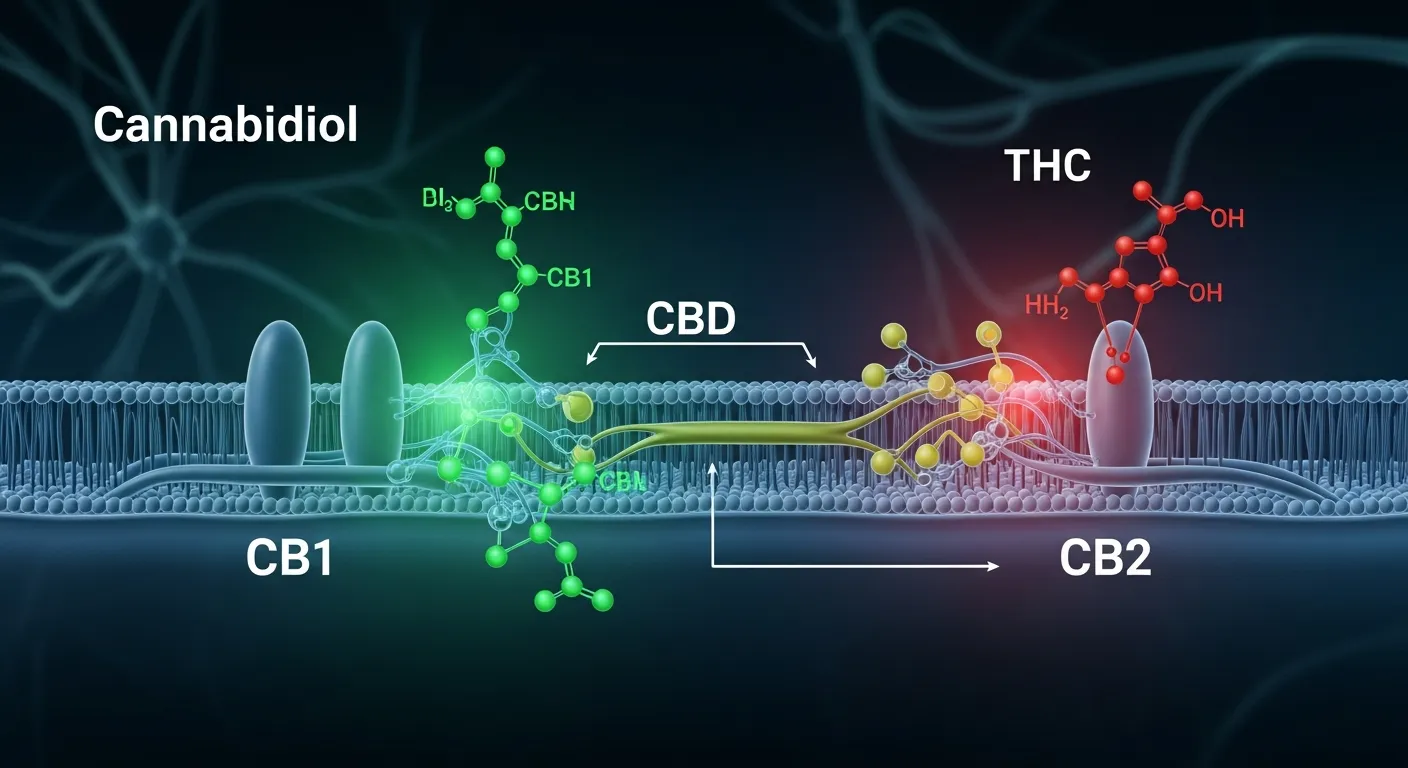
 CBD interacts with the endocannabinoid system through complex signaling pathways rather than direct receptor binding, explaining its non-psychoactive properties.
MeSH Processing: Defining Cannabidiol’s Role in the Endocannabinoid System
To understand CBD, one must look at the body’s endocannabinoid system (ECS). Using MeSH (Medical Subject Headings) Processing terminology, we define CBD as a non-psychoactive phytocannabinoid that interacts with the ECS through complex signaling pathways. Unlike THC, which binds directly to CB1 receptors, CBD acts as a modulator, influencing how these receptors receive signals. It also impacts serotonin (5-HT1A) receptors, which is fundamental to its role in anxiety management.
Systematic Analysis: What 2026 Clinical Trials Tell Us About Efficacy
A systematic analysis of recent clinical trials indicates that CBD’s efficacy is dose-dependent and highly individualized. While initial research focused on broad applications, 2026 data emphasizes the importance of refined, clinical-grade formulations. For researchers and patients alike, these findings reinforce that the therapeutic window for CBD is narrower than previously thought, requiring precise dosing to achieve the desired anti-anxiety and sleep-inducing effects.
PubMed Data: CBD vs. Traditional Medications for Stress Response
PubMed remains the gold standard for verifying these clinical claims. When compared to traditional anxiolytics, CBD demonstrates a more favorable side-effect profile, particularly concerning cognitive impairment. Current data suggests that while CBD may not replace pharmacological intervention in severe clinical cases, it serves as a potent, low-risk adjunct for sub-clinical stress and anxiety management.
Genetic Information and Individualized Response to Cannabinoids
Individual genetic variations in the FAAH and MAGL enzymes dictate how one processes cannabinoids. This is why a standardized dose may result in disparate outcomes across a population. Future-forward wellness involves recognizing these biological markers. By integrating your own health history with current research, you can move toward a more personalized approach rather than relying on generalized marketing claims.
CBD for Anxiety: Breaking the Cycle of Hyperarousal
Impact on Neuroplasticity and Stress-Related Brain Signals
Chronic anxiety effectively “rewires” the brain’s response to stimuli. Evidence suggests that CBD supports neuroplasticity, potentially modulating the amygdala’s hyperarousal response. By dampening the reactivity of these brain signals, CBD creates a biological “buffer” that allows the nervous system to return to a baseline of calm, facilitating better emotional regulation during acute stressors.
Clinical Trial Evidence: Social Anxiety, PTSD, and Daily Stress Management
Clinical studies demonstrate promise for CBD in managing social anxiety disorders and symptoms of post-traumatic stress. By influencing the prefrontal cortex and hippocampal pathways, CBD appears to help users dissociate from the “fight or flight” loop. For the average user, this translates to improved resilience against daily stressors, provided the dosing is consistent and the product quality is high.
Managing Cortisol: CBD as a Buffer for the Modern Environment
Elevated cortisol is the hallmark of the modern, high-stress lifestyle. CBD functions as an endocrine buffer. By interacting with the hypothalamus-pituitary-adrenal (HPA) axis, CBD may assist in attenuating the cortisol spike that follows stressful events, promoting a more stable hormonal environment conducive to both mental clarity and long-term physical health.
Optimizing Sleep Architecture with Cannabinoids
Addressing Sleep Latency and Disruptive REM Cycles
CBD’s impact on sleep is primarily found in its ability to reduce sleep latency—the time it takes to fall asleep—and its role in regulating the duration of REM cycles. By addressing the anxiety-driven wakefulness that often plagues modern sleepers, CBD facilitates a faster transition into deep, restorative sleep phases.
The Synergistic Effect: CBD and Sleep Hygiene Practices
CBD should never be used in isolation. Its efficacy is significantly bolstered when combined with evidence-based sleep hygiene, such as temperature regulation, light exposure management, and consistent circadian rhythms. When CBD is treated as a component of a larger sleep infrastructure, the results are exponentially more effective than using the supplement as a “quick fix” for poor habits.
Long-Term vs. Short-Term Use: What the Science Says About Habituation
Current research does not indicate that CBD causes the physical dependence associated with benzodiazepines or other sleep-aid medications. However, the concept of “tolerance” exists. Clinical consensus suggests that cyclical use—or “periodized supplementation”—may be more effective than continuous, high-dose administration. This prevents the system from downregulating its natural endocannabinoid production.
The Athlete’s Dilemma: Navigating Compliance and Performance
NCAA and AXIS Regulations: Understanding Banned Substances in 2026
For athletes, the regulatory landscape is unforgiving. As of 2026, while CBD is technically permitted by many major athletic governing bodies, the presence of trace amounts of THC can result in a failed drug test. Understanding the specific compliance regulations from the NCAA and AXIS (or relevant local athletic commissions) is mandatory before incorporating any cannabinoid product into your recovery protocol.
The Risk of Contamination in Nutritional/Dietary Supplements
The supplement industry is notorious for “label drift,” where the contents of a bottle do not match the label. Cross-contamination with prohibited anabolic agents or peptides is a legitimate concern. Athletes must prioritize products that utilize independent, third-party testing to ensure that what is listed on the label is exactly what is inside.
Student-Athletes and the Athletics Department: Navigating Disclosure
Transparency is the primary defense for the student-athlete. It is recommended to maintain open communication with sports medicine staff regarding any supplements used. Because the risk of disqualification is high, disclosure prevents unforeseen issues during mandatory testing windows and ensures that the student-athlete is using products vetted by institutional medical staff.
In addition to open communication with sports medicine staff, student-athletes should also consider keeping a comprehensive record of all supplements and products they consume. This log should include product names, dosages, and the timing of consumption, which can be instrumental during inquiries or disputes. Documentation can offer a transparent account of their supplement regimen and provide a level of security should questions about compliance arise.
Institutions often have resources available, such as workshops or counseling sessions, to help educate athletes about safe supplement practices. Participating in these programs can serve as both a proactive safeguard and an educational tool, ensuring athletes are fully aware of the risks and benefits of using CBD and other supplements. Moreover, being informed helps in judging the credibility of products and making decisions that align with both performance goals and compliance standards.
While the allure of using CBD to enhance recovery and manage stress is strong, student-athletes must weigh these benefits against the potential risks to their eligibility. Involving coaches, academic advisors, and even legal advisors can provide a broader perspective and facilitate informed decision-making. Ultimately, the goal is to support athletes in achieving peak performance without compromising their status or jeopardizing their future in the sport.
Drug Testing Realities: THC Content and “Drug-Free” Labeling
The term “THC-free” is frequently used, but rarely guaranteed. Due to limitations in manufacturing technology, even “broad-spectrum” CBD products can contain trace cannabinoids that flag drug tests. Athletes must treat “THC-free” labels with skepticism, opting instead for products with extensive lab reports specifically testing for trace cannabinoid concentrations down to the parts-per-billion level.
Safety, Pharmacokinetics, and Cross-Reactivity
Drug Classes to Watch: Interaction with Stimulants, Beta Blockers, and Diuretics
CBD is metabolized through the CYP450 liver enzyme pathway, the same pathway used by many common medications. If you take stimulants for focus, beta-blockers for heart health, or diuretics, CBD may inhibit the liver’s ability to clear these drugs from your system, leading to elevated concentrations. Always consult a physician to check for potential cross-reactivity with your current prescription regimen.
CBD and Hormonal Balance: Addressing Testosterone and Anabolic Agents
The relationship between CBD and hormonal balance is an area of emerging, though still limited, research. While there is no definitive evidence that CBD disrupts testosterone levels at standard therapeutic doses, those monitoring their hormonal profiles—especially in relation to synthetic anabolic use—should be cautious. The interaction between phytocannabinoids and endocrine markers remains a primary focus for 2026 clinical research.
Identifying Peptide Hormones and Growth Factors in Unverified Products
In the quest for performance enhancement, many individuals experiment with unverified, “gray-market” peptides that may be contaminated, or not contain the peptide you are looking to supplement with. These unknowns can be dangerous to use, so do source carefully. Similarly, ensuring your CBD is sourced from a reputable, transparent company is the only way to avoid the unintended ingestion of these powerful substances.
Food Allergy Considerations and Additives in CBD Formulations
CBD products are often formulated with carrier oils like hemp seed, coconut (MCT), or soy-based lecithins. For those with severe food allergies, these carriers can cause significant reactions. Furthermore, flavorings and artificial sweeteners added to tinctures may disrupt gut health. Always review the full ingredient list—not just the cannabinoid content—when selecting a formulation.
Final Thoughts
The integration of CBD into an anxiety and sleep management strategy is an exercise in data-driven decision-making. By moving away from anecdotal hype and toward the systematic analysis of available scientific research, you can harness the potential benefits of the endocannabinoid system while minimizing risks.
Key takeaways for the 2026 consumer include:
- Prioritize Transparency: Never consume a product without a verifiable, batch-specific Certificate of Analysis.
- Understand Your Biology: Acknowledge that your response to CBD is tied to your unique genetics and medication profile.
- Respect the Interaction: CBD is a potent modulator of liver enzymes; always check for cross-reactivity with existing medications.
- Think Holistically: CBD is a support tool, not a substitute for sound sleep hygiene, nutrition, and exercise.
As we look toward the future, the research community will likely focus on even more granular aspects of cannabinoid interactions, including the role of minor cannabinoids (CBG, CBN) and terpenes in mood regulation. By establishing a rigorous methodology for evaluating your own health data today, you position yourself to adapt to these new insights as they emerge. Use your search history and reference lists to keep building your knowledge base. Remember that authoritative wellness is built on the foundation of iterative learning and a cautious, evidence-first approach to all dietary and therapeutic supplements.
Best Sleep Products
-
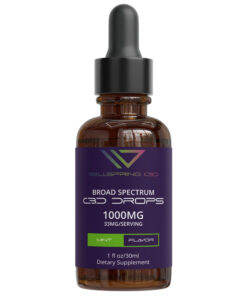
1000mg Broad Spectrum CBD Oil Tincture
$37.95 — or Original price was: $37.95.$32.26Current price is: $32.26. / month -
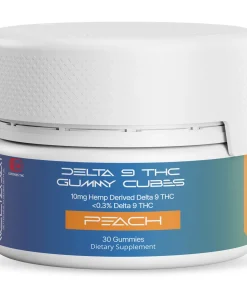
10mg Delta 9 Gummies – 30 Count
$29.95 — or Original price was: $29.95.$25.46Current price is: $25.46. / month -
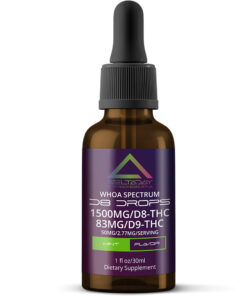
1500mg Delta 8 + 83mg Delta 9 Drops
$39.95 — or Original price was: $39.95.$33.96Current price is: $33.96. / month -
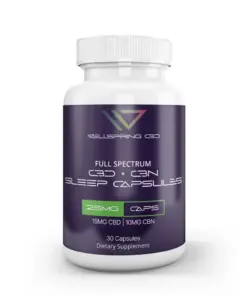
25mg CBD+CBN Sleep Capsules
$39.95 — or Original price was: $39.95.$33.96Current price is: $33.96. / month -
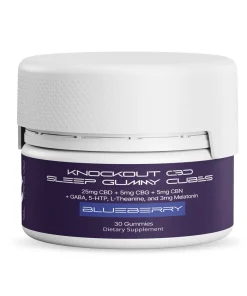
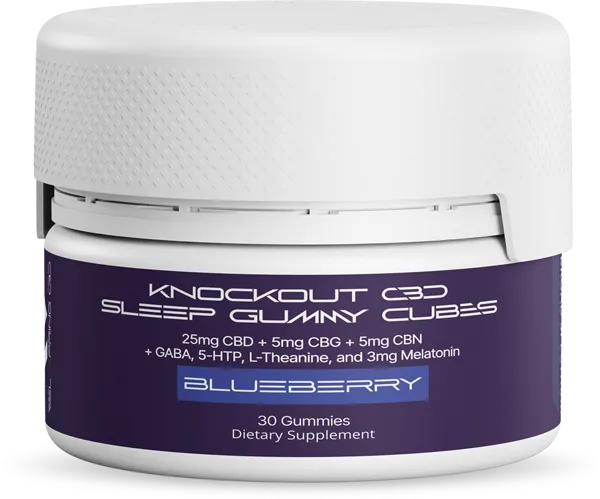
25mg Knockout CBD Gummies Deep Sleep Formulation
$39.95 — or Original price was: $39.95.$33.96Current price is: $33.96. / month -
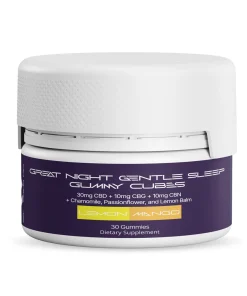
50mg CBD/CBN/CBG Sleep Gummies
$39.95 — or Original price was: $39.95.$33.96Current price is: $33.96. / month -
50mg Delta 8 Gummies
$39.95 — or Original price was: $39.95.$33.96Current price is: $33.96. / month -
50mg HHC Gummies
$39.95 — or Original price was: $39.95.$33.96Current price is: $33.96. / month -
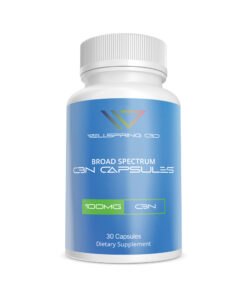
Broad Spectrum CBN Capsules
Price range: $64.95 through $159.95 — or from Price range: $55.21 through $135.96 / month -
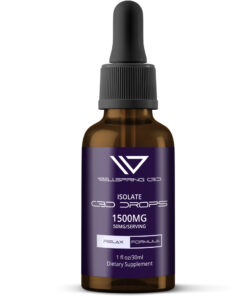
CBD Isolate Drops – Relax Formulation
Price range: $34.95 through $79.95 — or from Price range: $29.71 through $67.96 / month -
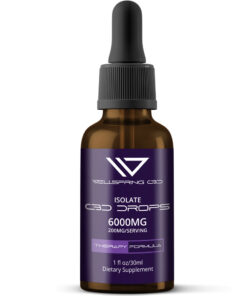
CBD Isolate Drops – Therapy Formulation
Price range: $34.95 through $79.95 — or from Price range: $29.71 through $67.96 / month -
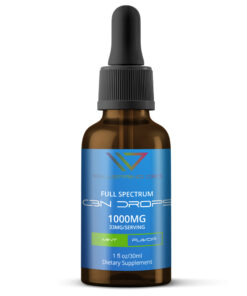
CBN Drops
Price range: $29.95 through $79.95 — or from Price range: $25.46 through $67.96 / month -
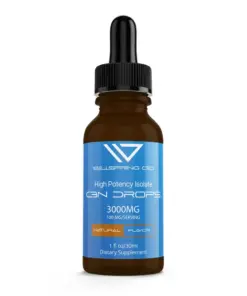
High Potency CBN Isolate Drops
Price range: $29.95 through $89.95 — or from Price range: $25.46 through $76.46 / month
Jason Liss — Co-Founder & Chief Formulator
As a Co-Founder of Wellspring CBD, Jason has been an advocate and pioneer in the cannabis and hemp industries since 1996. Passionate about helping people achieve better health through unique natural supplements, Jason uses his decades of experience to guide readers toward effective wellness solutions.
In this guide
- 01 Understanding the Global Landscape of Anxiety and Sleep in 2026
- 02 The Neurobiology of CBD: How it Interfaces with Your System
- 03 CBD for Anxiety: Breaking the Cycle of Hyperarousal
- 04 Optimizing Sleep Architecture with Cannabinoids
- 05 The Athlete’s Dilemma: Navigating Compliance and Performance
- 06 Safety, Pharmacokinetics, and Cross-Reactivity
- 07 Final Thoughts
- 08 Best Sleep Products
- 09 1000mg Broad Spectrum CBD Oil Tincture
- 10 10mg Delta 9 Gummies – 30 Count
- 11 1500mg Delta 8 + 83mg Delta 9 Drops
- 12 25mg CBD+CBN Sleep Capsules
- 13 25mg Knockout CBD Gummies Deep Sleep Formulation
- 14 50mg CBD/CBN/CBG Sleep Gummies
- 15 50mg Delta 8 Gummies
- 16 50mg HHC Gummies
- 17 Broad Spectrum CBN Capsules
- 18 CBD Isolate Drops – Relax Formulation
- 19 CBD Isolate Drops – Therapy Formulation
- 20 CBN Drops
- 21 High Potency CBN Isolate Drops
Scroll to read · tap a topic to jump

🌱 New Here? First Order
Take 40% Off Your First Order
Join the Wellspring Journal for honest CBD education — enter your name and email to unlock an exclusive first-order code. Instant, no spam, one-click unsubscribe.
🔒 Instant Code
🌿 Zero Spam
✉️ 1-Click Unsubscribe
🌴 90-Day Promise
Discussion