🔒 Secure Checkout
·
90-Day Promise
·
Free Shipping $75+
🌱 🔬 Cannabinoids Explained
 · Co-Founder & Chief Formulator
Honest Guidance · Daily Routines · Plant Wellness
How to Use CBD Drops, Capsules & Gummies: Under the Tongue, Past the Stomach
· Co-Founder & Chief Formulator
Under the Tongue, Past the Stomach — how each oral format gets into your body, and what changes (and doesn’t) when the route changes
The thing nobody tells you
If you’ve read more than two product pages, you’ve hit the same wall we did. One page says hold it under your tongue. The next says just swallow it. A third throws around the word bioavailability like you’re supposed to know what to do with it. Nobody connects the dots — because before the dots, there’s a path you weren’t shown.
Here’s the dot that connects them: your capsule, your gummy, and your dropper all end up in the same body — but the path each one takes changes the timing and the character of the experience, not the strength.
Under the tongue, a portion of a drop crosses a thin, blood-rich membrane directly. Swallowed, the whole serving rides the digestive tract the way anything you eat does. Two doors, same house, different clocks. Nothing about one is “better” in any meaningful sense — they’re just different, and different is useful, because different formats fit different people at different times of their day.
And the part no product page will sell you: there is no wrong route — there’s the route you’ll actually keep. The most technically-correct technique in the world loses to the one you’ll repeat, unbothered, for a month. So think of this page the way you’d read a map: not a test to pass, just the routes laid out honestly.
The two routes, in one picture
One body, two doors. That’s the whole map.
- Route A — under the tongue (sublingual). Drops are held against the thin tissue under your tongue, where a dense web of blood vessels sits close to the surface. A portion of the serving crosses there in a minute or two; the remainder is swallowed and joins Route B.
- Route B — the swallowed route (digestive). Capsules and gummies go down the esophagus, through the stomach, and into the intestine, where digestion sorts what the body can use. Whole serving, whole journey, steady pace.
The rest of this page walks both routes properly — starting with the one that asks a little something of you.
Route A: the under-tongue (sublingual) route — for drops
“Under the tongue” is a blood-vessel address, not a ritual.
The tissues lining your mouth are thin and close to the surface, and directly beneath the tongue runs a dense web of small blood vessels. When you hold drops there, the oil sits against that tissue for a minute or two — and a portion of it moves through the membrane into the bloodstream before what’s left continues down the throat. That’s the entire trick. It’s why the technique is called sub-lingual, literally “under the tongue.”
About the cheeks (and gums, and everywhere else inside your mouth):
When you hold a dropper under your tongue, oil also casually wets the insides of your cheeks and your gums. Those are the same thin, absorptive tissues — so if you’ve ever heard that your “whole mouth counts,” that’s accurate. When we say “aim under the tongue,” we aren’t saying the rest of your mouth is useless; we’re saying that specific pocket is the most convenient dense target. A relaxed drop is going to touch cheek and gum anyway, and that’s fine — the point is never to scrub the oil around your mouth, just to give it contact time in a blood-rich spot.
Why 30–90 seconds?
That window is about giving the under-tongue tissue contact time. There’s no magic at exactly 75 seconds — the honest guidance is “hold it like a polite pause, then swallow.” Swallowing earlier is not a mistake and not a waste: it just means the serving continues on the swallowed route instead — the gradual route described in the next section. Nothing is lost either way; only the timing profile changes.
What “swallowing the rest” is doing
When you finally swallow, the remainder of the serving travels the digestive route (Route B). So a typical drop actually uses both routes at once — a portion sublingual, the remainder swallowed. That’s normal, expected, and exactly how the technique is designed. It is not “your drops being wasted in your stomach”; it’s the same serving following the slow lane after the express lane.
Not a fan of holding oil in your mouth? That’s a legitimate preference, not a failure of technique. Drops can be swallowed plain or worked into food — but say the word plainly: you’ve switched to the swallowed route, so the timing becomes more gradual. Sublingual is the route the format was built around; swallowed is the “acceptable but different” version. Nobody is grading you.
Route B: the swallowed route — for capsules and gummies
Everything you eat — or swallow — takes the digestive journey, and these two formats are happy passengers on it. They differ from each other in exactly one way worth caring about: what protects the serving on the way down.
Capsules protect the oil until later in the journey.
A capsule is a shell around a measured amount of oil, and that shell is doing a real job: it keeps the serving together as one unit and keeps it traveling as one unit, so the oil inside doesn’t meet anything absorbent until the shell breaks down partway along the digestive tract. Swallow the capsule whole, and you get the serving exactly as the label drew it. Open it, chew it, halve it — and you’ve changed the packaging arrangement the format was built on. The capsule’s whole philosophy is don’t make me think; let it do its job.
Gummies are simply food.
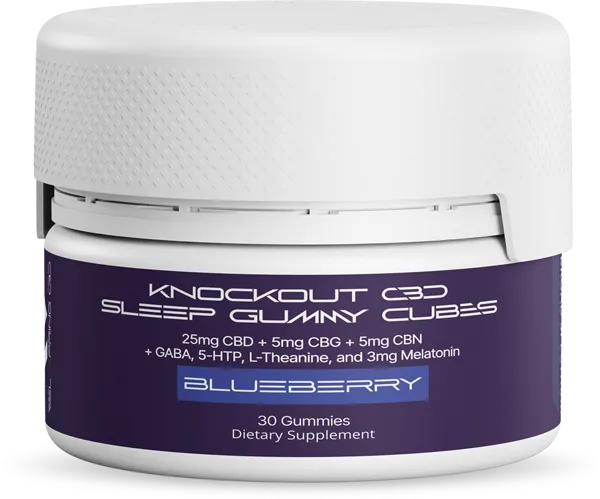
There’s no shell, no measuring, and no technique. You chew, you swallow, and your body handles it the way it handles anything you eat — which is to say, without ceremony. The entire instruction lives on the label: the serving size, and the mg-per-serving number. Chewing has exactly one job, and it’s flavor — a gummy chewed properly tastes like what it is; a gummy gulped whole is just a sad lump of texture.
What both have in common: the same clock.
Because every bit of a capsule or gummy is processed through the digestive tract, the whole serving follows one continuous, gradual pace. This is the format’s natural character: a more gradual onset and a longer, steadier arc — not stronger, not weaker, just on a different clock than a sublingual drop. If drops feel like the express lane and the slow lane at once, capsules and gummies are the slow lane, period. That slowness isn’t a bug. It’s precisely why so many people prefer them: no technique, nothing to remember, nothing to hold, no oil texture in the mouth. Consistency you’ll actually keep beats cleverness you won’t.
“So swallowed CBD is weaker?”
No — and this is the sentence to tattoo somewhere: the route changes the timing and the character of the experience, not the strength. The same serving is the same serving; only the path and the pace change. The word we keep refusing to use — bioavailability — is where this confusion gets born, because it makes people think of a percent to win. Forget the percent game. On a real label, the number that matters is printed on your own bottle: serving size and mg per serving. That number doesn’t change when you swallow instead of hold.
Why your routine matters more than the molecule math
Strip away the routes, and the honest centre of this whole topic is boring and true: the format you can repeat daily beats the format that’s theoretically ideal. Everything below is behavior, not biochemistry — and it’s the part that actually decides how your experience goes.
Consistency of the serving itself. Shake a dropper bottle before each use so the base oil and the extract stay evenly mixed — an unshaken bottle can pour thin at the top and rich at the bottom. Measure to the line on the dropper, not the eyeball. For capsules and gummies, the label’s serving is the whole instruction; “one capsule” means one capsule, “one gummy” means one gummy.
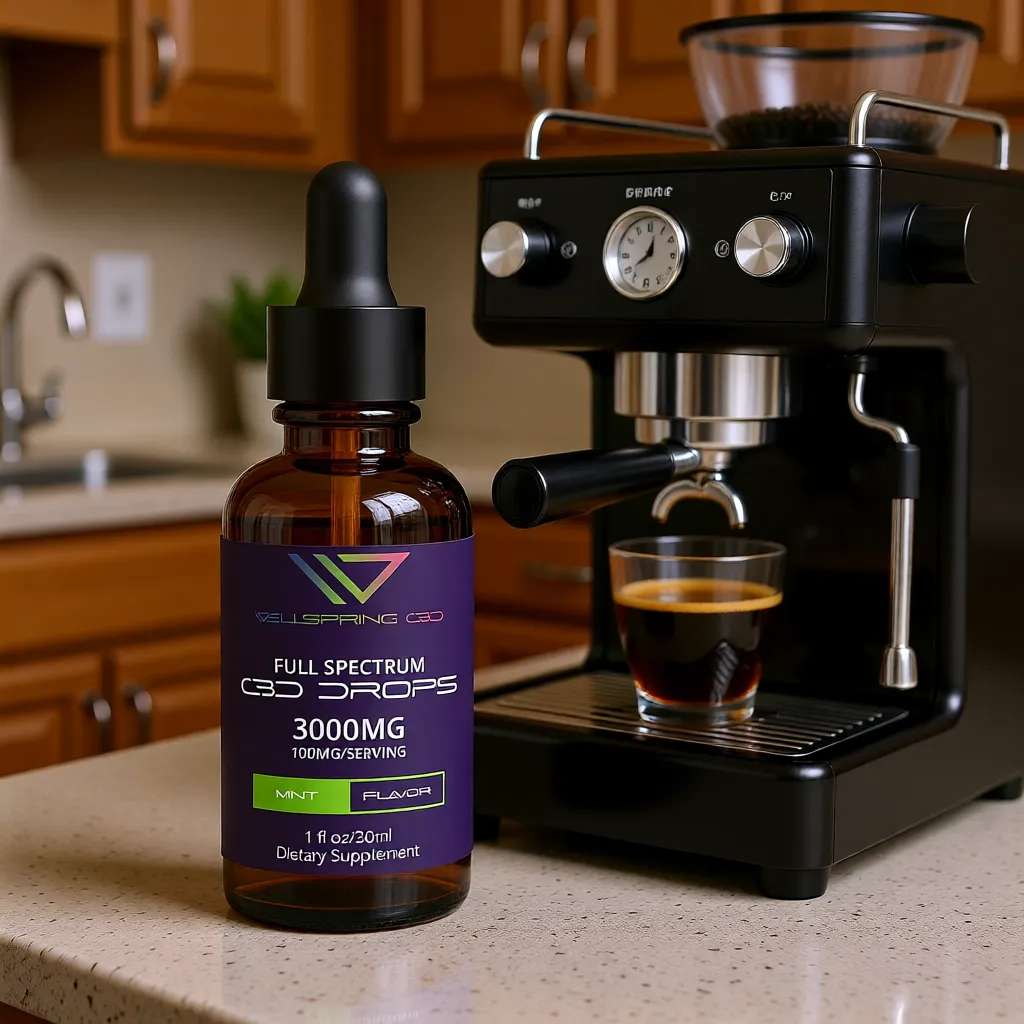
One time of day, attached to a habit you already have. Morning coffee, evening wind-down, lunchtime break — any of them works. The move is picking the one you won’t forget, because forgetting is the only failure mode this product category actually has.
Keep a simple log for a week or two. Date, serving, time, and anything you noticed — or conspicuously didn’t. Two weeks of honest notes tell you more than a week of guessing, partly because it genuinely takes that long for a new routine to feel routine. This isn’t homework; it’s the difference between “trying it” and “knowing your own response.”
Adjust in small steps, one variable at a time. Want more? Move in one small step and re-log. Want to change the time of day? Change it, and re-log. Never two changes at once — otherwise you won’t know which one mattered.
And for anything that feels off, or unusual, or worth a professional opinion: that’s what a healthcare provider is for. Combining supplements, managing other conditions, questions about your specific situation — route those through a person who knows your chart, not through a product page. We’re pleased to explain how these products get into your body; what they might mean for your body is a conversation for your provider.
The compliance stance, stated plainly
This page explains how these products get into your body — not what they do once there. These are dietary supplements with third-party lab reports on every batch, not medicines, and we don’t make medical claims. Everything you read above is route language: where a serving travels, how long the pacing takes, what the technique asks of you. If you came looking for a percent, a promise, or a diagnosis, this page will disappoint you by design — and that’s the whole point. Read the label, repeat the routine, ask a provider what you can’t answer yourself.
Related reading
- The MCT base — why drops ride on a coconut-oil carrier, and what C8/C10/C12 actually mean:
- Food and the swallowed route — what a high-fat meal does to the way swallowed CBD is processed:
- The CBN sleep companion — a format-level weekly walk-through built around quiet hours:
- The one route neither of these uses — balms and topicals work through the skin, not the digestive tract, which is a whole different conversation:
And the three format-level basics, if you want the short versions:
- How to Use CBD Drops: The Sublingual 101
- How to Take CBD Capsules: A Simple, No-Fluff Guide
- CBD Gummies: Your Honest First-Week Guide
Compliance checkbox for this deep page
- Mechanism language only (“moves through the membrane,” “more gradual timing,” “different clock”). No bioavailability percent without a sourced citation, no “faster relief,” no “targets X condition.”
- “The route changes the timing and the character of the experience, not the strength” — the throughline of the whole page, phrased in route language end to end.
- Every guidance verb is behavioral: hold, swallow, chew, shake, log, ask a provider.
- The compliance-stance paragraph is a permanent fixture (footer of the published page).
- Brand stance honored: no “grown by us” / “extracted by us” claims anywhere — this page is mechanism, not sourcing.
Frequently Asked Questions
What is the main difference between sublingual drops and swallowed CBD?
Sublingual drops are held under the tongue, allowing a portion of the cannabinoids to absorb directly across mucous membranes into the bloodstream in 15 to 30 minutes. Swallowed formats (capsules and gummies) pass through the digestive system and liver first-pass metabolism, providing a more gradual release over 60 to 90 minutes.
Does swallowed CBD lose its strength compared to drops?
No. The route of administration changes the clock and timing curve of the experience, not the strength. A 25mg serving provides the exact same cannabinoid quantity whether taken as a tincture or swallowed as a capsule.
Can I take CBD drops with food?
Yes. Taking CBD drops with food, particularly healthy fats like avocado, eggs, or MCT oil, can support digestive absorption when you swallow the remainder of your serving.
How long does it take to establish a consistent routine?
We recommend sticking to the exact same serving size and timing every day for 1 to 2 consecutive weeks before making adjustments. Cannabinoid receptor balance compounds with regular daily use.
Jason Liss — Co-Founder & Chief Formulator
As a Co-Founder of Wellspring CBD, Jason has been an advocate and pioneer in the cannabis and hemp industries since 1996. Passionate about helping people achieve better health through unique natural supplements, Jason uses his decades of experience to guide readers toward effective wellness solutions.
In this guide
- 01 Under the Tongue, Past the Stomach — how each oral format gets into your body, and what changes (and doesn’t) when the route changes
- 02 The thing nobody tells you
- 03 The two routes, in one picture
- 04 Route A: the under-tongue (sublingual) route — for drops
- 05 Route B: the swallowed route — for capsules and gummies
- 06 Why your routine matters more than the molecule math
- 07 The compliance stance, stated plainly
- 08 Related reading
- 09 Compliance checkbox for this deep page
- 10 Frequently Asked Questions
Scroll to read · tap a topic to jump


🌱 New Here? First Order
Take 40% Off Your First Order
Join the Wellspring Journal for honest CBD education — enter your name and email to unlock an exclusive first-order code. Instant, no spam, one-click unsubscribe.
🔒 Instant Code
🌿 Zero Spam
✉️ 1-Click Unsubscribe
🌴 90-Day Promise
Discussion