

🔒 Secure Checkout
·
90-Day Promise
·
Free Shipping $75+

🌱 CBD & Wellness Guides
 · Co-Founder & Chief Formulator
Honest Guidance · Daily Routines · Plant Wellness
Does CBD Help You Sleep? The Science-Backed Truth About Nighttime Use
· Co-Founder & Chief Formulator
Staring at the ceiling at 2 a.m. is a universal frustration. For millions, the inability to initiate or maintain deep, restorative rest is not merely a nuisance; it is a significant drain on daily performance and long-term health. In the search for relief, many have turned to the cannabis plant, specifically focusing on products derived from hemp.
Cannabidiol (CBD) has surged in popularity as a natural alternative to traditional sleep aids. However, separating effective practice from marketing hype requires a clear understanding of the science. Is CBD a sedative, or is it an indirect facilitator of better sleep? This article explores the current clinical evidence, mechanisms of action, and practical protocols for those considering CBD as part of their nighttime regimen.
Understanding the Connection Between CBD and Sleep
What is Cannabidiol (CBD)?
Cannabidiol is a non-intoxicating compound found in the cannabis plant. Unlike Tetrahydrocannabinol (THC), which is the primary psychoactive component in marijuana responsible for the “high,” CBD does not produce intoxication. CBD is typically extracted from hemp, which contains only trace amounts of THC. Because of its favorable safety profile and potential therapeutic applications, it has become a staple in wellness discussions.
The Role of the Endocannabinoid System (ECS) in Sleep Regulation
The human body possesses a complex cell-signaling system known as the Endocannabinoid System (ECS). This network plays a crucial role in regulating a variety of functions, including mood, appetite, pain perception, and the sleep-wake cycle. The ECS maintains homeostasis, ensuring the body returns to a stable state after stress or disruption.
Cannabinoid Receptors (CB1 and CB2) and Their Impact on the Sleep-Wake Cycle
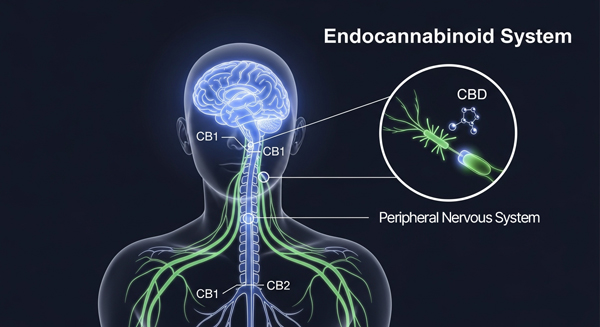
CB1 receptors are primarily concentrated in the central nervous system, while CB2 receptors spread throughout the peripheral nervous system. CBD indirectly interacts with this network to help regulate the sleep-wake cycle.
The ECS relies on cannabinoid receptors, specifically CB1 and CB2. CB1 receptors are primarily located in the central nervous system, while CB2 receptors are found throughout the peripheral nervous system and immune cells. Research suggests that by modulating these receptors, cannabinoids may influence the circadian rhythm. While CBD does not bind directly to these receptors with the same affinity as THC, it interacts with them indirectly, potentially calming the nervous system.
How CBD Affects Sleep: The Mechanism of Action
Addressing Root Causes: Anxiety, Stress, and Hyper-arousal
CBD is increasingly recognized not as a direct sedative, but as an anxiolytic (anxiety-reducing) agent. Many individuals suffer from sleep disorders rooted in hyper-arousal, where the mind remains active long after the lights go out. By potentially reducing the physiological response to stress, CBD may clear the “mental clutter” necessary to fall asleep.
CBD’s Interaction with Serotonin and Dopamine Receptors
Beyond the ECS, CBD interacts with serotonin (5-HT1A) receptors. Serotonin is a neurotransmitter involved in mood regulation and the sleep-wake cycle. By enhancing serotonergic signaling, CBD may exert a calming effect that assists in the transition to sleep.
Pain Management: How CBD Eases Physical Discomfort for Better Rest
Chronic pain is one of the leading causes of sleep maintenance insomnia. Through its anti-inflammatory properties and modulation of pain pathways, CBD may reduce the physical discomfort that keeps patients awake. When the body is free from the distraction of pain, sleep quality naturally improves.
Impact on REM Sleep Behavior Disorder and Nightmares (PTSD)
Emerging research indicates that CBD may influence REM sleep, particularly in patients suffering from PTSD-related nightmares. Preliminary evidence suggests that high doses of CBD may reduce the frequency of dream-enactment behaviors, offering a potential path for clinical intervention in specific sleep disorders.
The Scientific Evidence: What Clinical Research Reveals
Analyzing the Pittsburg Sleep Quality Index and Hamilton Anxiety Rating Scale Results
Clinical trials often utilize the Hamilton Anxiety Rating Scale (HAM-A) and the Pittsburgh Sleep Quality Index (PSQI) to track improvements. Studies have observed that participants who reported high anxiety scores saw concurrent improvements in sleep onset when integrating CBD, suggesting that the primary benefit is mediated through reduced anxiety levels.
Findings from Retrospective Case Series and Clinical Trials
A landmark 2019 study published in The Permanente Journal tracked 72 patients and found that 66% reported improved sleep scores within the first month. While these results are promising, researchers emphasize that the effect can be variable and may wane over time, necessitating more long-term, randomized control trials to establish definitive efficacy.
CBD vs. Traditional Sleep Aids (Melatonin, Benzodiazepines, and OTC Medications)
Unlike benzodiazepines, which carry a significant risk of dependency and cognitive impairment, CBD does not appear to cause physical addiction. However, it also lacks the immediate, heavy sedative power of traditional pharmaceutical medications. Users should view it as a supplement to support relaxation rather than a rapid-acting drug.
The Reality of Anecdotal Evidence vs. Peer-Reviewed Data
Marketing claims often outpace clinical findings. While the user community frequently reports transformative results, scientific data remains in the early stages. Consumers must remain critical of the information provided by manufacturers, prioritizing peer-reviewed data over testimonials.
Choosing the Right Type of CBD for Nighttime
Full-Spectrum CBD vs. Broad-Spectrum vs. CBD Isolate
Product selection is vital. Full-spectrum CBD contains a diverse array of cannabinoids, including trace amounts of THC, which may enhance efficacy. Broad-spectrum offers a similar profile without the THC, while CBD isolate contains only the pure molecule.
Understanding the “Entourage Effect”: Why Terpenes and Minor Cannabinoids Matter
The “Entourage Effect” posits that cannabinoids and terpenes (aromatic compounds) work synergistically. For sleep, products containing myrcene or linalool—terpenes known for sedative-like properties—may provide superior benefits compared to isolated CBD.
Common Sleep-Specific Formulations: Adding CBN (Cannabinol) and Melatonin
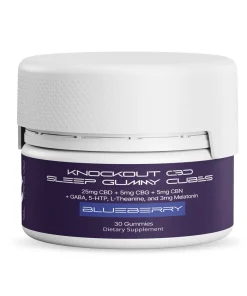
Many brands now combine CBD with CBN, a cannabinoid currently under investigation for potential sedative properties, or with small amounts of melatonin. These formulations are specifically designed to address the multifaceted nature of insomnia.
Delivery Methods and Their Bioavailability
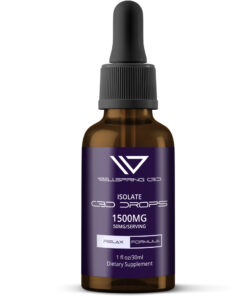
CBD Oil and Tinctures: Faster Absorption and Sublingual Use
Sublingual administration (placing oil under the tongue) allows for rapid absorption through the mucous membranes, bypassing the digestive tract for faster onset.
Edibles and CBD Gummies: Slower Release for Long-Term Maintenance
Gummies and edibles are processed by the liver, resulting in a slower, longer-lasting effect. This is often ideal for those who struggle with staying asleep throughout the night.
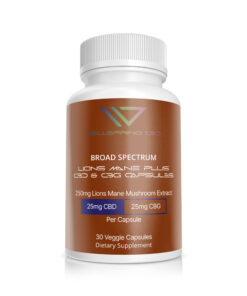
Capsules and Pills: Precise Dosage for Nighttime Routines
Capsules offer consistent, measured dosing. This is essential for maintaining a stable routine, as it removes the guesswork involved in dropper-based measurements.
Vapes and Oral Sprays: Why Rapid Onset Isn’t Always Best for Sleep
While vaping offers the fastest entry into the bloodstream, the effects are short-lived. For sleep, a sustained release is generally more beneficial than a sharp, fleeting spike.
Finding Your Nighttime Protocol: Dosage and Timing
The “Start Low and Go Slow” Method for Determining CBD Dosage
Individual biology dictates the response to cannabinoids. Begin with a low dose, such as 10–20mg, and gradually increase it until the desired effect is achieved.
Titration Strategies: Finding Your Therapeutic Window
Keep a sleep journal. Track the dosage and the quality of your rest to determine your personal therapeutic window. Consistency is the key to identifying what works for your specific physiology.
Timing Your Intake: When to Take CBD Relative to Bedtime
For most, taking CBD 30 to 60 minutes before bed provides the best window for the substance to influence the nervous system as you attempt to drift off.
The Importance of Consistency and the Accumulative Effect
Unlike a sleeping pill that works immediately, CBD often requires a few days of consistent use to reach a steady state in the system. Be patient.
Safety First: Potential Side Effects and Drug Interactions
CBD is generally well-tolerated, but it is not without risks. Most notably, CBD can interfere with the liver’s cytochrome P450 enzyme system, which processes many common medications, including blood thinners and psychiatric drugs. If you are currently taking prescription medications, consult your doctor before integrating CBD into your routine. Side effects such as dry mouth, changes in appetite, or drowsiness may occur. Always verify that your chosen products have a third-party Certificate of Analysis (COA) to ensure potency and purity.
Conclusion
CBD represents a compelling option for those seeking a natural, non-addictive approach to sleep improvement, primarily by addressing the underlying stressors of anxiety and physical discomfort. While it functions more as a stabilizer of the body’s internal systems than as a direct sedative, its potential to improve sleep quality is supported by a growing body of preliminary clinical research.
The most effective approach involves a strategic, consistent protocol—prioritizing high-quality, full-spectrum formulations and monitoring individual responses closely. Ultimately, CBD should be viewed as one tool in a larger sleep hygiene strategy. When combined with a healthy lifestyle, consistent bedtime routines, and professional medical guidance, it may help transform restless nights into restorative rest.
Always prioritize safety, read labels carefully, and consult with a healthcare professional to ensure that this approach is appropriate for your unique health profile.
Jason Liss — Co-Founder & Chief Formulator
As a Co-Founder of Wellspring CBD, Jason has been an advocate and pioneer in the cannabis and hemp industries since 1996. Passionate about helping people achieve better health through unique natural supplements, Jason uses his decades of experience to guide readers toward effective wellness solutions.
In this guide
- 01 Understanding the Connection Between CBD and Sleep
- 02 How CBD Affects Sleep: The Mechanism of Action
- 03 The Scientific Evidence: What Clinical Research Reveals
- 04 Choosing the Right Type of CBD for Nighttime
- 05 Delivery Methods and Their Bioavailability
- 06 Finding Your Nighttime Protocol: Dosage and Timing
- 07 Safety First: Potential Side Effects and Drug Interactions
- 08 Conclusion
Scroll to read · tap a topic to jump


🌱 New Here? First Order
Take 40% Off Your First Order
Join the Wellspring Journal for honest CBD education — enter your name and email to unlock an exclusive first-order code. Instant, no spam, one-click unsubscribe.
🔒 Instant Code
🌿 Zero Spam
✉️ 1-Click Unsubscribe
🌴 90-Day Promise


Discussion