
🔒 Secure Checkout
·
90-Day Promise
·
Free Shipping $75+

🌱 Cannabinoids Explained
 · Co-Founder & Chief Formulator
Honest Guidance · Daily Routines · Plant Wellness
Does Delta 9 THC Get You High? The Truth About Its Effects and Potency
· Co-Founder & Chief Formulator
The short answer is yes: Delta-9 THC is the primary psychoactive cannabinoid found in cannabis plants, and it is responsible for the characteristic “high” associated with marijuana use. However, understanding this experience requires looking past the simple effect and examining how dose, metabolism, and delivery methods shape your interaction with this potent compound.
Understanding Delta-9 THC: The Primary Psychoactive Compound
What Is Delta-9-Tetrahydrocannabinol?
Delta-9-tetrahydrocannabinol, commonly known as Delta-9 THC, is the most abundant and studied cannabinoid in the cannabis plant. It interacts directly with the body’s central nervous system to alter perception, mood, and physical sensation.
Hemp-Derived vs. Marijuana-Derived Delta-9: Is There a Difference?
Chemically, there is no difference. Delta-9 THC is the same molecule regardless of whether it is extracted from marijuana or hemp. The distinction is purely legal, based on the source plant’s classification and its THC concentration by dry weight.
The Role of the 2018 Farm Bill in Modern Delta-9 Products
The 2018 Farm Bill legalized hemp—defined as cannabis with less than 0.3% Delta-9 THC by dry weight—and its derivatives. This federal shift paved the way for a new market of hemp-derived Delta 9 gummies and tinctures, provided the final product maintains the required concentration threshold.
The Science of the “High”: How Delta-9 Interacts with Your Body
The Endocannabinoid System and CB1 Receptors
Delta-9 THC exerts its effects by binding to CB1 receptors located primarily in the brain and central nervous system. This interaction mimics naturally occurring endocannabinoids, flooding the system and triggering the psychoactive response.
Why Delta-9 Is More Potent Than Delta-8 or Delta-10
Delta-9 has a higher binding affinity for CB1 receptors than its analogs, Delta-8 or Delta-10. This structural difference makes Delta-9 significantly more potent and reliable in producing a strong psychoactive high.
The Entourage Effect: How Full-Spectrum Products Enhance the Experience
Full-spectrum products contain a profile of terpenes and secondary cannabinoids. This combination often creates the “entourage effect,” where these compounds work synergistically to modulate the intensity of the Delta-9 experience.
Methods of Consumption: Why the “High” Varies
Inhalation: Vaping Cartridges and Smoked Cannabis
When you inhale cannabis, Delta-9 enters the bloodstream through the lungs. This provides a rapid onset, usually within minutes, making it easier for a user to gauge their intake as they go.
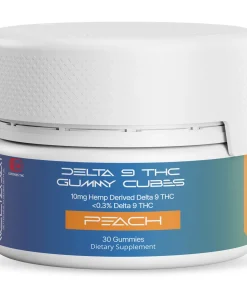
Edibles: Delta 9 Gummies, Cereal Bars, and Brownies
Edibles introduce the cannabinoid through the digestive system. This results in a slower onset—often 45 to 90 minutes—and a significantly different, more intense experience than inhalation.
Tinctures and Sublingual Onset
Tinctures offer a middle ground. When held under the tongue, the THC enters the bloodstream through mucous membranes, providing a faster onset than edibles but a more measured intensity than smoking.
The Liver Metabolism Factor: Understanding 11-Hydroxy-THC
How Your Liver Processes Edible THC
When you consume an edible, your liver converts Delta-9 into 11-hydroxy-THC. This metabolite is more potent and crosses the blood-brain barrier more efficiently than the original compound.
Why Edible Highs Are More Intense and Longer Lasting
The conversion to 11-hydroxy-THC creates a longer-lasting, body-heavy high. Because the metabolite stays in your system longer, edible effects can persist for several hours.
The Difference in Onset Time: Inhalation vs. Digestion
Inhalation bypasses the liver initially, whereas digestion relies entirely on hepatic processing. This delay is why inexperienced users often make the mistake of consuming additional doses too soon.
What Does a Delta-9 High Feel Like?
Common Psychoactive Effects: Euphoria and Sensory Enhancement
Users frequently report sensations of euphoria, altered time perception, and heightened sensory awareness, including intensified colors and music.
Relaxing Effects and Physical “Body High”
Delta-9 often induces deep physical relaxation and sedative effects, which is why many individuals use it to assist with sleep or stress management.
Individual Factors: Body Weight, Metabolism, and Tolerance
Each user’s experience is unique. Factors like individual metabolism, baseline tolerance to cannabinoids, and body composition drastically change how one person reacts to the same dose as another.
Dosing Guidelines: Finding Your “Sweet Spot”
Measurement in Milligrams: A Practical Guide
Always prioritize precision. Start with small, measured doses and wait at least two hours before considering more, as delayed reactions are common.
Microdosing for Beginners (2.5mg – 5mg)
For those new to THC, a 2.5mg to 5mg dose is the standard recommendation to assess sensitivity without risking over-intoxication.
Intermediate and Advanced Doses: Managing Psychoactive Intensity
Experienced users may progress to 10mg or higher, but higher doses increase the risk of side effects like anxiety or impaired coordination.
Using a Tincture Dropper for Precise Dosing
Tinctures provide the best control. By measuring exact drops, you can slowly titrate your dose to find exactly what works for your needs.
Potential Side Effects and Risk Management
Physical Responses: Heart Rate and Blood Pressure Changes
Common side effects include a temporary increase in heart rate, dry mouth, and reddening of the eyes.
Psychological Responses: Anxiety and Paranoia
Higher doses can trigger anxiety or paranoia in sensitive individuals. Start low to determine your specific comfort threshold.
Managing “The Green Out”: How to Counteract Too Much THC
If you feel overwhelmed, stay hydrated, find a quiet space, and wait it out. CBD is sometimes used to modulate the intensity of THC.
Conclusion
Delta-9 THC is a powerful compound capable of producing significant psychoactive effects. By understanding the differences between delivery methods, respecting the role of liver metabolism, and practicing diligent dosing, you can navigate your experience safely. Always consult your product’s Certificate of Analysis (COA) to ensure quality. Start low, go slow, and prioritize your personal comfort to make the most of your cannabis experience.
Jason Liss — Co-Founder & Chief Formulator
As a Co-Founder of Wellspring CBD, Jason has been an advocate and pioneer in the cannabis and hemp industries since 1996. Passionate about helping people achieve better health through unique natural supplements, Jason uses his decades of experience to guide readers toward effective wellness solutions.
In this guide
- 01 Understanding Delta-9 THC: The Primary Psychoactive Compound
- 02 The Science of the “High”: How Delta-9 Interacts with Your Body
- 03 Methods of Consumption: Why the “High” Varies
- 04 The Liver Metabolism Factor: Understanding 11-Hydroxy-THC
- 05 What Does a Delta-9 High Feel Like?
- 06 Dosing Guidelines: Finding Your “Sweet Spot”
- 07 Potential Side Effects and Risk Management
- 08 Conclusion
Scroll to read · tap a topic to jump


🌱 New Here? First Order
Take 40% Off Your First Order
Join the Wellspring Journal for honest CBD education — enter your name and email to unlock an exclusive first-order code. Instant, no spam, one-click unsubscribe.
🔒 Instant Code
🌿 Zero Spam
✉️ 1-Click Unsubscribe
🌴 90-Day Promise
Discussion