
🔒 Secure Checkout
·
90-Day Promise
·
Free Shipping $75+
🌱 Cannabinoids Explained
 · Co-Founder & Chief Formulator
Honest Guidance · Daily Routines · Plant Wellness
What Is CBDa? A Complete Guide to Cannabidiolic Acid and Its Potential Benefits
· Co-Founder & Chief Formulator
Cannabidiolic acid (CBDa) has recently emerged from the shadow of its more famous derivative, Cannabidiol (CBD).
While CBD has dominated the wellness market for years, researchers and consumers alike are beginning to recognize the unique therapeutic potential of the raw, acidic precursors found in the cannabis plant. Understanding CBDa requires shifting our perspective: instead of viewing it merely as a “pre-state” of CBD, we must categorize it as a potent, bioactive molecule in its own right.
This guide serves as a comprehensive resource for those seeking to understand the chemical origin, physiological interaction, and clinical potential of CBDa. By bridging the gap between raw botanical chemistry and modern pharmacology, we will explore why this compound is capturing the attention of the scientific community.
Whether you are a curious consumer, a wellness enthusiast, or someone interested in the evolving landscape of cannabinoid therapy, the following sections provide a structured, evidence-based exploration of what CBDa is and why it matters.
Understanding CBDa: The “Raw” Precursor to CBD
What Is Cannabidiolic Acid?
Cannabidiolic acid (CBDa) is a non-psychoactive cannabinoid found primarily in the resinous glands of living cannabis plants. In its raw form, it represents the most abundant cannabinoid in many hemp strains.
Unlike its decarboxylated counterpart, CBD, which is the result of applying heat or light to the raw plant material, CBDa exists as the “natural” version of the molecule. It is produced by the plant as a protective mechanism, serving various roles in the plant’s life cycle, from deterring pests to acting as a structural building block.
The Chemical Structure: The Role of the Carboxylic Acid Moiety
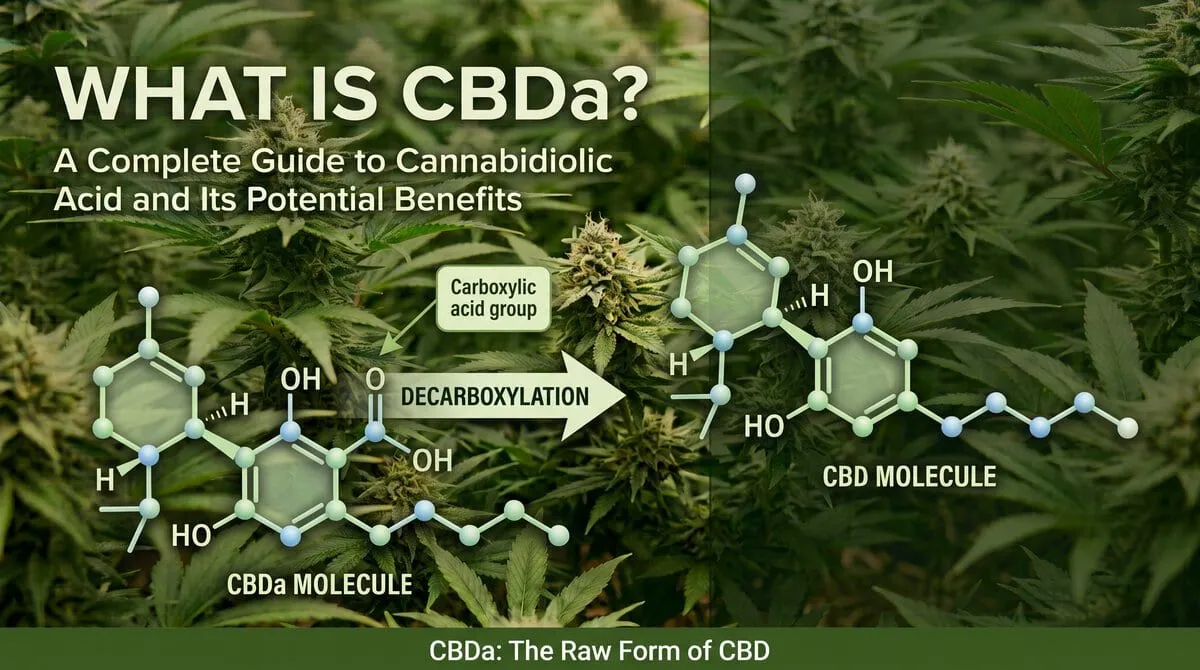
The defining characteristic of CBDa is its chemical structure. Specifically, it features a carboxylic acid group (COOH) attached to the main body of the molecule. This moiety is responsible for the “a” in CBDa. This functional group is highly significant; it alters the molecule’s shape and, consequently, its ability to bind with receptors in the human body.
Because of this group, CBDa is technically an unstable compound. When exposed to heat, the carboxylic acid group breaks off—a process known as decarboxylation—which effectively converts the molecule into CBD. Understanding this chemical volatility is essential for anyone interested in preserving the efficacy of raw cannabis extracts.
CBDa vs. CBD: Key Differences at a Glance
While CBD and CBDa share a common lineage, they function differently within the human biological system. CBD is renowned for its interaction with the Endocannabinoid System (ECS), particularly its modulation of CB1 and CB2 receptors. In contrast, CBDa exhibits a lower affinity for these traditional cannabinoid receptors.
Instead, CBDa acts more like an enzyme inhibitor and a modulator of serotonin signaling. This fundamental difference in pharmacodynamics means that CBDa and CBD may offer distinct therapeutic outcomes, and many researchers suggest that using them in tandem can create a more balanced profile of support for the body.
From Plant to Bottle: The Lifecycle of CBDa
The Cannabinoid Pathway: Starting with Cannabigerolic Acid (CBGA)
To understand the origin of CBDa, one must look at the biosynthesis of cannabinoids. Every cannabinoid starts as Cannabigerolic acid (CBGA), often referred to as the “mother cannabinoid.” Through specific enzymatic processes within the cannabis plant, CBGA is converted into various precursor acids, including THCa, CBCa, and importantly, CBDa. This biosynthetic branch point is where the plant’s genetic expression determines its final cannabinoid profile. Monitoring these concentrations during growth is a key aspect of producing high-quality, raw extracts.
The Process of Decarboxylation: How Heat Changes the Molecule
Decarboxylation is the unavoidable transition that occurs when the plant is harvested, dried, or heated. In a laboratory setting or a processing facility, this step is carefully managed to convert CBDa into CBD for products marketed specifically as CBD oils. However, this process sacrifices the unique properties of the acidic precursor. To obtain a high-potency CBDa product, processors must avoid high-heat extraction methods. Cold-pressing or low-temperature CO2 extraction techniques are preferred to ensure that the delicate CBDa molecule remains intact from the plant to the bottle.
Why Raw Cannabis Plants Contain Higher CBDa Concentrations
Living cannabis plants are naturally rich in CBDa. As the plant matures in the field, the enzymes responsible for cannabinoid synthesis prioritize the creation of these acidic forms. Once the plant is cut and begins to dry, exposure to air, light, and heat naturally initiates the decarboxylation process. Consequently, raw, fresh, or flash-frozen plant material will always contain a significantly higher concentration of CBDa than material that has undergone traditional drying and curing processes. This biological reality necessitates careful handling during the supply chain to prevent the loss of this valuable compound.
The Science Under the Hood: How CBDa Interacts with the Body
Beyond the Endocannabinoid System: Direct Receptor Interaction
While many cannabinoids are defined by their engagement with the Endocannabinoid System, CBDa operates through alternative pathways. Preclinical studies suggest that CBDa engages directly with various targets beyond the traditional cannabinoid receptors. This direct interaction may explain why many users report that CBDa feels “sharper” or more specifically targeted than CBD. By focusing on enzymes and non-cannabinoid receptors, CBDa provides a different mechanism of support, which is currently the subject of intense scientific investigation.
The Serotonin Connection: CBDa and 5-HT1A Receptors
One of the most promising areas of CBDa research involves its interaction with the 5-HT1A serotonin receptor. Serotonin is a vital neurotransmitter that influences mood, nausea, and stress responses. Early studies suggest that CBDa may exhibit a significantly higher affinity for the 5-HT1A receptor than CBD itself. This interaction is thought to contribute to its potential anti-nausea and anti-anxiety effects. By modulating serotonin signaling, CBDa may provide a biological pathway for emotional wellness and physical comfort that is distinct from traditional neurotransmitter therapies.
Inhibiting Cyclooxygenase-2 (COX-2) for Inflammatory Support
Perhaps the most notable scientific discovery regarding CBDa is its role as a selective inhibitor of the COX-2 enzyme. Cyclooxygenase enzymes are responsible for the production of prostaglandins, which are signaling molecules that mediate inflammation and pain. While non-steroidal anti-inflammatory drugs (NSAIDs) inhibit both COX-1 and COX-2 enzymes—often leading to digestive side effects—CBDa appears to focus its inhibitory activity on COX-2. This selectivity is highly significant in the field of pharmacology, as it suggests the potential to manage physical discomfort without the adverse gastrointestinal profile associated with long-term NSAID use.
Potential Health Benefits of CBDa
Managing Nausea and Emotional Wellness
The preliminary data regarding CBDa’s impact on nausea is particularly compelling. Due to its heightened interaction with 5-HT1A receptors, researchers have identified its potential to reduce the urge to vomit and suppress nausea symptoms. This extends to both acute episodes and chronic conditions where traditional anti-nausea medications might be insufficient. Furthermore, the calming influence on serotonin pathways suggests that CBDa could serve as a valuable tool for emotional wellness, potentially aiding those who struggle with high-stress environments or daily mood fluctuations.
Addressing Systemic Inflammation and Physical Discomfort
Given its role as a COX-2 inhibitor, CBDa is being widely studied for its anti-inflammatory properties. Systemic inflammation is considered a root cause of many chronic health challenges, including joint stiffness and muscle soreness. By modulating the production of inflammatory mediators, CBDa may offer support for those seeking to maintain physical mobility and comfort. While more human-level clinical trials are needed, the existing evidence provides a strong justification for its use in wellness protocols aimed at systemic health support.
Early Research on CBDa and Convulsive Disorders
The success of CBD in treating certain forms of epilepsy has paved the way for investigating other cannabinoids for similar effects. Emerging research suggests that the acidic precursors, including CBDa, may also possess anticonvulsant properties. The way CBDa interacts with brain signaling molecules could offer a complementary approach to managing neuronal excitability. While this is an active area of investigation, it highlights the importance of not dismissing the raw forms of cannabinoids in the search for effective, naturally derived therapeutic agents.
Pharmacokinetics: Why CBDa’s Bioavailability Matters
Understanding Plasma Cannabinoid Concentrations
When we ingest a substance, its effectiveness is largely determined by its bioavailability—the amount that actually reaches the bloodstream. Pharmacokinetic studies have shown that the bioavailability of CBDa can differ significantly from that of CBD. Because of its unique structure, CBDa appears to have a different absorption profile. Monitoring plasma cannabinoid concentrations in research subjects allows scientists to understand how much of the compound enters the systemic circulation and how long it remains active in the body. This information is vital for determining appropriate dosage ranges.
Research on Absorption Rates: Is CBDa More Potent Than CBD?
Some studies indicate that, due to its molecular structure, CBDa may achieve higher plasma concentrations more rapidly than CBD. If a lower dose of CBDa can achieve a therapeutic effect equivalent to a higher dose of CBD, this represents a significant advantage in terms of cost-effectiveness and metabolic burden. However, “potency” in this context is nuanced; it is less about raw strength and more about the efficiency of the compound’s delivery to the relevant biological targets. As research progresses, these absorption rates will help clinicians refine the use of CBDa in targeted wellness applications.
The Significance of Pharmacokinetic Parameters in Recent Studies
Pharmacokinetic parameters such as the time to reach maximum concentration (Tmax) and the half-life of the compound are critical for developing standardized wellness protocols. Recent studies have highlighted that the instability of CBDa—its tendency to convert to CBD when exposed to environmental stressors—can make these parameters difficult to measure consistently. As a result, the industry is moving toward more stable delivery systems, such as nano-emulsions or specialized formulations, to protect the molecule from premature degradation.
The Power of Synergy: CBDa and the Entourage Effect
Why Full-Spectrum Cannabis Extract Includes Raw Acidic Cannabinoids
The “entourage effect” is a foundational concept in cannabis science, suggesting that the diverse array of cannabinoids, terpenes, and flavonoids in the plant work better together than any single isolated compound. A high-quality full-spectrum extract naturally contains both CBD and CBDa. By keeping these molecules together, the extract provides a more comprehensive range of biological interactions. The presence of CBDa adds a dimension of anti-inflammatory and serotonin-modulating support that may be lost in highly refined isolates.
Combining CBDa with Other Minor Cannabinoids (CBG, CBDV, and THCa)
The potential for synergy expands when we consider other minor cannabinoids. Research into the combination of CBDa with Cannabigerol (CBG), Cannabidivarin (CBDV), and even THCa (the raw precursor to THC) is ongoing. Each of these molecules interacts with different receptors, creating a multifaceted support network within the body. For consumers, this suggests that prioritizing products with a broad, raw profile may offer more versatile support than choosing a single-molecule product.
Safety, Side Effects, and Drug Interactions
Potential Interaction with Cytochrome P450 Enzymes
Safety is a primary concern in any wellness regimen. Like CBD, CBDa interacts with the Cytochrome P450 (CYP450) enzyme system in the liver. This system is responsible for metabolizing a wide range of pharmaceutical drugs. If a cannabinoid occupies these enzymes, it may slow down the metabolism of other medications, potentially leading to increased concentrations of those drugs in the bloodstream. Anyone currently taking prescription medication should consult with a healthcare professional before incorporating CBDa into their routine to avoid unexpected interactions.
Understanding Drug Efflux Transporters: BCRP and P-glycoprotein
Beyond liver enzymes, CBDa may interact with drug efflux transporters like Breast Cancer Resistance Protein (BCRP) and P-glycoprotein. These proteins are responsible for moving substances out of cells and are vital for the absorption and distribution of many medications. By inhibiting these transporters, CBDa could theoretically influence the levels of other substances in the body. While research in this area is still maturing, it is an essential consideration for those managing complex health conditions.
Managing Bioactive Molecules and Pharmaceutical Drugs
Because of these potential interactions, the “knowledgeable coach” approach is essential. If you are using CBDa, it is wise to monitor your body’s response and keep a detailed log of any other substances you are consuming. If you have questions regarding specific potencies or whether CBDa is appropriate for your unique health profile, you should reach out to a professional. Our support team is often asked about the interaction between CBDa and various medications; we always recommend starting low, going slow, and working alongside your primary healthcare provider to ensure a safe experience.
The Legal Landscape of CBDa
The 2018 Farm Bill and Industrial Hemp
The legal status of CBDa is inextricably linked to the 2018 Farm Bill, which legalized the production of industrial hemp in the United States. Hemp is defined as cannabis plants containing less than 0.3% delta-9 THC by dry weight. Because CBDa is a non-psychoactive component of these plants, it generally falls under the same legal protections as CBD. However, the legal environment is subject to change, and it is vital to monitor local regulations. Always check the certificate of analysis (COA) for any product you purchase to ensure it meets federal guidelines and is free from contaminants.
Final Thoughts
The study of Cannabidiolic acid represents a significant leap forward in our understanding of the cannabis plant’s therapeutic potential. By moving beyond the decarboxylated forms of cannabinoids, we unlock a wealth of bioactive properties—specifically regarding serotonin modulation and selective COX-2 inhibition—that were previously underappreciated. As we have explored throughout this guide, CBDa is not just a precursor; it is a sophisticated molecule that offers unique avenues for inflammation and wellness support.
For those looking to integrate CBDa into their lives, the key takeaways remain consistent:
- Quality and Processing Matter: Because CBDa is unstable, the method of extraction determines the product’s actual potency. Always prioritize brands that provide transparent lab reports confirming the concentration of acidic cannabinoids.
- Understand the Interaction: Be mindful of the potential influence on liver enzymes (CYP450) and drug transporters. Always speak with your healthcare provider if you are taking prescription medications.
- Embrace the Synergy: Consider full-spectrum extracts that preserve the “entourage effect,” as the harmony between CBD, CBDa, and other minor cannabinoids appears to be where the most significant wellness benefits reside.
- Monitor Your Results: Everyone’s biochemistry is different. Start with low doses, keep a journal of how your body responds, and adjust as needed.
The science of cannabis is in its infancy, and we are only beginning to scratch the surface of what compounds like CBDa can provide. If you have further questions or require specific details regarding the sourcing or potency of our offerings, our support team is available to assist you. You can reach out through our contact page or find our corporate address on our website for formal inquiries. As you continue your wellness journey, remember that the most effective approach is one rooted in education, caution, and a clear understanding of the scientific facts. By staying informed and monitoring the evolving research, you are better equipped to leverage the power of the cannabis plant in a safe and responsible manner. Keep a close watch on future clinical trials and industry developments, as the landscape of cannabinoid therapy will undoubtedly continue to shift in the coming years, offering more targeted solutions for our collective well-being.
Jason Liss — Co-Founder & Chief Formulator
As a Co-Founder of Wellspring CBD, Jason has been an advocate and pioneer in the cannabis and hemp industries since 1996. Passionate about helping people achieve better health through unique natural supplements, Jason uses his decades of experience to guide readers toward effective wellness solutions.
In this guide
- 01 Understanding CBDa: The “Raw” Precursor to CBD
- 02 From Plant to Bottle: The Lifecycle of CBDa
- 03 The Science Under the Hood: How CBDa Interacts with the Body
- 04 Potential Health Benefits of CBDa
- 05 Pharmacokinetics: Why CBDa’s Bioavailability Matters
- 06 The Power of Synergy: CBDa and the Entourage Effect
- 07 Safety, Side Effects, and Drug Interactions
- 08 The Legal Landscape of CBDa
- 09 Final Thoughts
Scroll to read · tap a topic to jump
Discussion (1)
Leave a comment
Share your thoughts

🌱 New Here? First Order
Take 40% Off Your First Order
Join the Wellspring Journal for honest CBD education — enter your name and email to unlock an exclusive first-order code. Instant, no spam, one-click unsubscribe.
🔒 Instant Code
🌿 Zero Spam
✉️ 1-Click Unsubscribe
🌴 90-Day Promise
Curious how it works? Just ask AI about it.