🔒 Secure Checkout
·
90-Day Promise
·
Free Shipping $75+
🌱 CBD & Wellness Guides
 · Co-Founder & Chief Formulator
Honest Guidance · Daily Routines · Plant Wellness
Best CBD Oil for Sale Online: A Buyer’s Guide to Quality & Purity
· Co-Founder & Chief Formulator
Navigating the modern CBD marketplace can feel like an overwhelming task. With thousands of brands competing for attention and shelves stocked with everything from high-end wellness tinctures to questionable roadside supplements, the consumer is often left wondering which products are legitimate. This guide is designed to shift your perspective from that of an impulse buyer to an educated consumer. By understanding the science behind the hemp plant and learning how to verify product purity, you can make informed decisions that align with your health and wellness goals.
Navigating the Online CBD Marketplace: Why Quality Matters
The digital storefront has become the primary destination for CBD shoppers, yet the lack of universal regulation means the burden of vetting falls squarely on the buyer. When you purchase online, you are not just buying a product; you are investing in a process that begins in the soil and ends with a precise dose. Understanding this lifecycle is critical for ensuring you receive a safe, effective, and high-quality product.
The Evolution of CBD Since the 2018 Farm Bill
The 2018 Farm Bill was a watershed moment for the industry, effectively legalizing hemp-derived products containing less than 0.3% THC on a federal level. This legislation triggered a massive influx of investment and innovation, transforming CBD from a niche curiosity into a mainstream wellness staple. However, this rapid expansion outpaced regulatory oversight, leading to a “Wild West” environment where labeling inaccuracies became common. Today, the most reputable companies are those that prioritize transparency and third-party validation over aggressive marketing claims.
The Risks of “Gas Station” CBD vs. Premium Online Brands
The discrepancy between “gas station” CBD and premium online brands is substantial. Low-quality products often lack adequate extraction oversight, resulting in concentrates that may contain residual solvents, pesticides, or significantly lower cannabinoid levels than advertised. In contrast, premium online brands operate with radical transparency, providing Certificates of Analysis (COAs) for every batch. Choosing a reputable source ensures that you are consuming a product formulated for safety and consistency, rather than a mystery mixture.
The Science of Wellness: How CBD Interacts with Your Body
CBD is not a cure-all, but it is a sophisticated modulator of biological function. To understand why it has become such a popular tool for wellness, one must look at how it influences the human body on a molecular level.
Understanding the Endocannabinoid System (ECS)
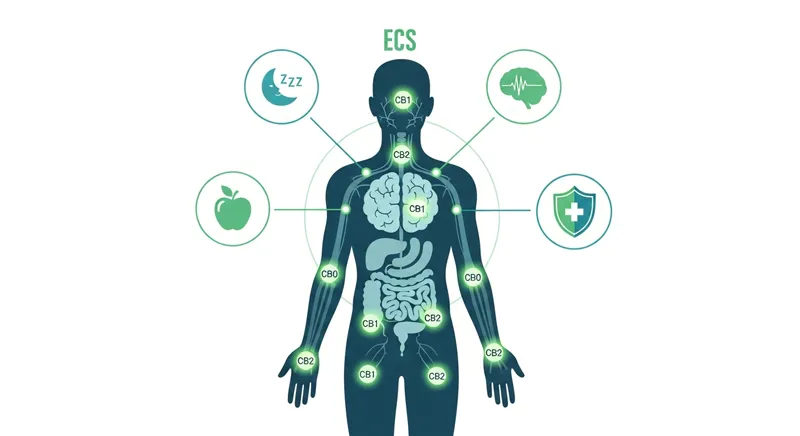
The Endocannabinoid System (ECS) is a complex network of receptors that helps regulate essential daily functions like sleep, mood, and immune health.
The Endocannabinoid System (ECS) is a complex cell-signaling network present in all mammals, responsible for regulating a wide range of functions, including sleep, mood, appetite, and immune response. Think of the ECS as the body’s biological “reset button” that works constantly to maintain homeostasis—a state of internal balance. CBD does not “fix” these systems directly; instead, it interacts with the ECS to encourage this state of equilibrium.
The Role of CB1 and CB2 Receptors in Maintaining Homeostasis
The ECS operates primarily through two types of receptors: CB1 receptors, found mostly in the central nervous system, and CB2 receptors, concentrated in the peripheral nervous system and immune tissues. While THC binds directly to CB1 receptors, CBD takes a more subtle approach, influencing these receptors indirectly. By preventing the breakdown of your body’s natural endocannabinoids, CBD helps your system function more efficiently, promoting a sense of calm and physical comfort.
Beyond CBD: The Importance of Minor Cannabinoids and Terpenes
Pure CBD is only one part of the plant’s potential. Minor cannabinoids like CBG and CBC, along with aromatic compounds called terpenes, work in concert to influence the final effect of the oil. This interaction, often referred to as the “entourage effect,” suggests that the combination of these elements provides greater therapeutic potential than isolated CBD alone.
Decoding the Spectrum: Which CBD Product is Right for You?
The “spectrum” refers to the range of compounds preserved during the extraction process. Selecting the right one depends on your sensitivity to THC and your specific wellness goals.
Full-Spectrum CBD Oil: Maximizing the Entourage Effect
Full-spectrum CBD oil contains the complete profile of the hemp plant, including trace amounts of THC (staying within the legal 0.3% limit). Because it retains the full range of cannabinoids and terpenes, it is widely considered the most effective for triggering the entourage effect. It is the preferred choice for those seeking comprehensive support for stress and daily balance.
Broad-Spectrum CBD Oil: Therapeutic Benefits Without the THC
Broad-spectrum oil is a middle ground. It undergoes a refining process that removes detectable traces of THC while keeping most of the other cannabinoids and terpenes intact. This is an excellent option for users who want the benefits of a full-spectrum product but need to avoid THC entirely due to workplace testing or personal preference.
CBD Isolate: The Choice for Pure CBD and Zero THC Concerns
CBD isolate is the purest form of the compound, consisting of 99% pure CBD. During production, all other plant materials—including terpenes, flavonoids, and other cannabinoids—are stripped away. This creates a flavorless, odorless powder that is perfect for those who require complete assurance that no other plant compounds are present.
Comparison Table: Choosing Your Ideal Spectrum Based on Lifestyle
| Spectrum Type | Contains THC | Best For | Entourage Effect |
|---|---|---|---|
| Full-Spectrum | Yes (Trace) | Max holistic benefits | High |
| Broad-Spectrum | No | THC-sensitive users | Moderate |
| Isolate | No | Precise, pure dosing | None |
The Purity Protocol: How to Verify Quality Before You Buy
Verifying purity is the single most important step for any consumer. When shopping for CBD oil for sale online, follow the Purity Protocol to ensure you aren’t being misled.
Why Third-Party Lab Testing is the Industry Gold Standard
Reliable brands outsource their testing to independent, ISO-accredited laboratories. These labs check for cannabinoid content and potential contaminants. If a company refuses to provide a current COA for a specific batch, you should assume the product has not been adequately vetted for safety.
How to Read a Certificate of Analysis (COA) Like a Pro
A COA should be easy to find on the brand’s website. Look for three specific pieces of information: the batch number, the date of testing, and the cannabinoid profile. Ensure the total CBD concentration listed on the label matches the concentration found in the lab test. Discrepancies here are a major red flag for low-quality manufacturing.
Screening for Safety: Pesticides, Heavy Metals, and Solvent Contaminants
Hemp is a “bio-accumulator,” meaning it absorbs toxins from the soil. A comprehensive COA will include testing for heavy metals like lead and mercury, as well as residual solvents and pesticide panels. Never purchase a product that lacks these safety checks, as you risk introducing harmful substances into your body.
The Significance of the US Hemp Authority and USDA Organic Certifications
Certifications like the US Hemp Authority or USDA Organic add an extra layer of confidence. These designations indicate that the brand adheres to stringent cultivation and processing standards. While not mandatory, they serve as a powerful indicator of a company’s commitment to quality and environmental stewardship.
From Seed to Shelf: The Importance of Cultivation and Extraction
Quality begins with farming. Where the hemp is grown and how it is processed dictates the integrity of the final oil.
Why US-Grown Hemp (Oregon and Colorado) Leads the Market
Hemp grown in the United States, particularly in regions like Oregon and Colorado, is subject to stricter agricultural regulations than hemp imported from overseas. These domestic regions have perfected the craft of organic hemp cultivation, producing high-potency crops with consistent cannabinoid profiles.
Supercritical CO2 Extraction: The Cleanest Method for Pure CBD Oil
Extraction is the process of pulling the cannabinoids from the plant. Supercritical CO2 extraction is the industry’s gold standard because it uses pressurized carbon dioxide instead of toxic chemical solvents like propane or butane. The result is a clean, potent extract that retains the beneficial properties of the hemp plant without leaving behind harmful residues.
Carrier Oils Matter: The Benefits of Coconut MCT Oil vs. Hempseed Oil
CBD is fat-soluble, meaning it requires a carrier oil to be effectively absorbed by the body. MCT oil, derived from coconuts, is highly favored for its bioavailability and shelf stability. Hempseed oil is another popular choice, though it offers a different nutritional profile that may not be as shelf-stable as MCT.
Finding Your Formula: Popular CBD Delivery Methods and Their Uses
Different CBD products offer varying levels of intensity and onset times. Your choice of product should match your daily needs.
CBD Tinctures and Drops: Precision Dosing via Sublingual Absorption
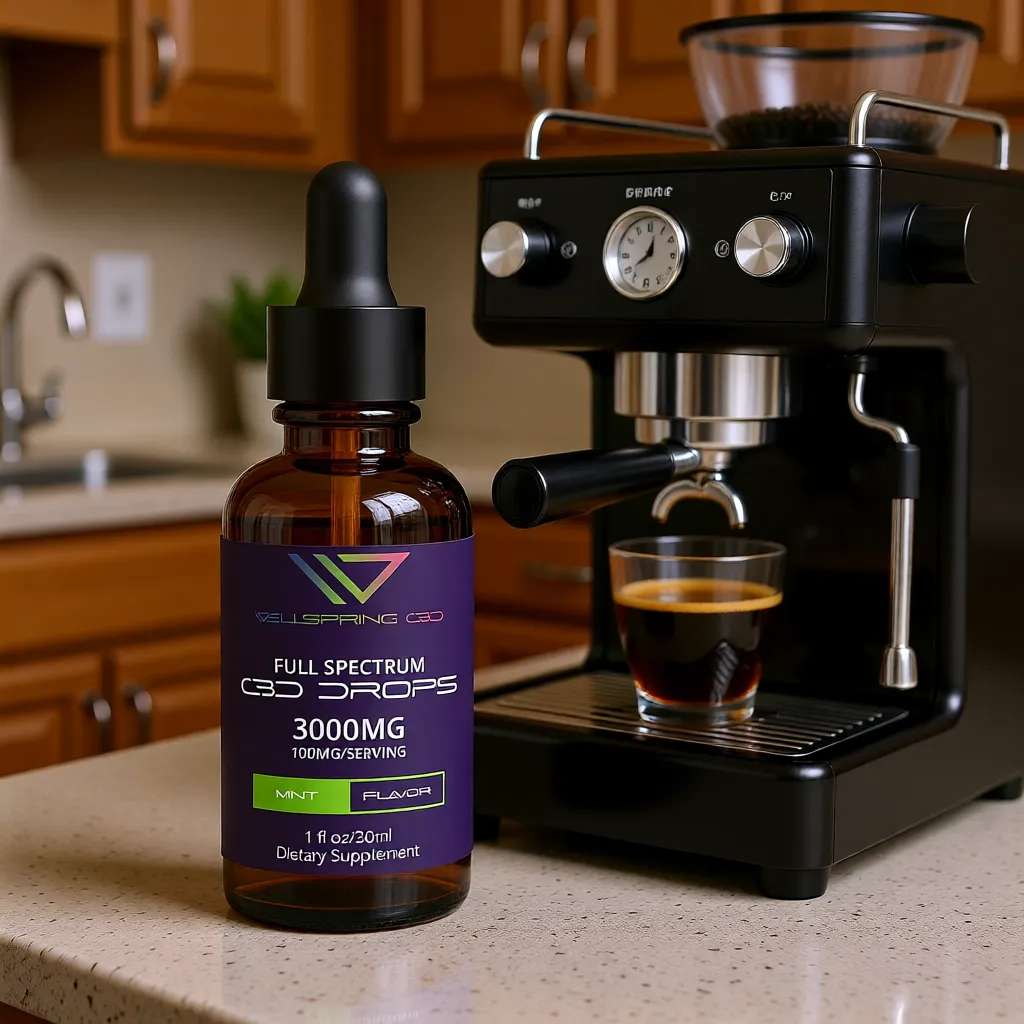
Tinctures are the most common way to consume CBD. By placing the oil under the tongue for 30 to 60 seconds, you allow the cannabinoids to enter the bloodstream via sublingual capillaries. This method offers high bioavailability and precise control over potencies, making it ideal for those who want to fine-tune their daily regimen.
CBD Capsules and Softgels: Convenience for Daily Balance
For those who prefer a consistent, flavorless experience, capsules and softgels are the best option. They provide a pre-measured dose that is easy to integrate into a standard supplement routine, offering a predictable and discreet way to maintain balance throughout the day.
CBD Gummies: Support for Calm and Stress Relief on the Go
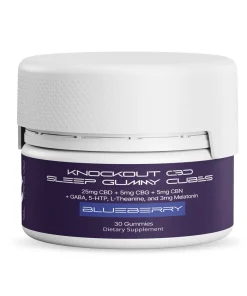
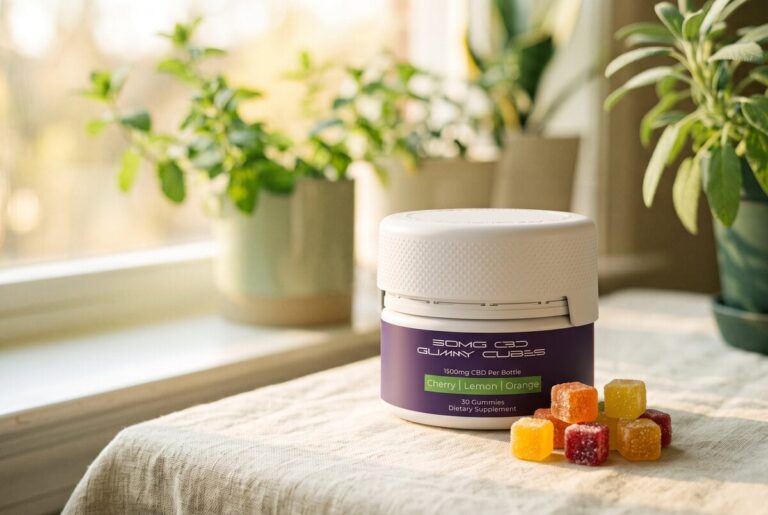
Gummies have gained immense popularity for their convenience and appeal. They are an excellent way to introduce CBD into your routine, providing a consistent dose for managing stress on the go. High-quality gummies utilize natural flavorings and, whenever possible, organic hemp extracts to deliver a pleasant and reliable wellness experience.
CBD Topicals: Using Salves, Balms, and Roll-Ons for Targeted Muscular Relief
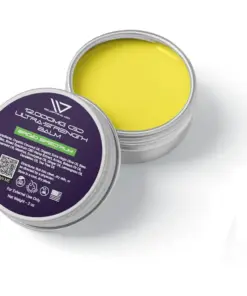
Topicals are formulated for localized support. By applying these products directly to the skin, you can target specific areas of muscular tension or discomfort. Whether it is a cooling balm for after a workout or a soothing roll-on for stiff joints, topicals offer a way to harness the benefits of CBD without systemic absorption.
Functional Integration: CBD Enhanced with Mushrooms and Adaptogens
The future of the CBD industry lies in synergistic blending. By pairing cannabinoids with other natural compounds, brands are creating more specialized products.
CBD for Sleep: Synergistic Blends with CBN and Melatonin
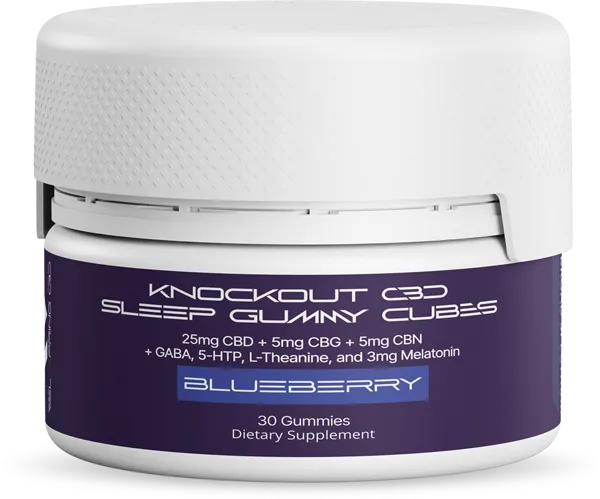
Many users turn to CBD to support a better night’s rest. Products specifically formulated for sleep often combine CBD with minor cannabinoids like CBN and sleep-supporting agents like melatonin. These blends are designed to promote relaxation and help the body ease into a natural sleep cycle without the grogginess associated with traditional sleep aids.
Stress Support: Combining CBD with Functional Mushrooms (Reishi and Lion’s Mane)
Modern wellness is increasingly focused on the synergy between cannabinoids and adaptogens. Combining CBD with functional mushrooms like Reishi, known for its calming properties, or Lion’s Mane, noted for cognitive support, creates a multi-layered approach to wellness. These products are intended to support the body’s resilience against daily stressors, helping you remain focused and composed.
Conclusion
The online CBD marketplace offers a wealth of opportunities for those looking to enhance their personal wellness. However, navigating this space requires a discerning eye and a commitment to research. By focusing on products that utilize high-quality organic hemp, supercritical CO2 extraction, and verifiable third-party lab testing, you can avoid the risks associated with an unregulated market.
Remember that consistency is key; whether you choose tinctures, gummies, or topicals, the most effective results often come from sustained, daily use rather than sporadic attempts. As you move forward, prioritize transparency—never hesitate to ask a brand for their latest COA or to inquire about their sourcing practices. By arming yourself with this knowledge, you move beyond the label and into a position of true health empowerment. Start your journey by selecting a reputable brand, verifying their testing standards, and choosing the delivery method that best fits your lifestyle. Your commitment to quality today will pave the way for a more balanced and centered tomorrow.
Jason Liss — Co-Founder & Chief Formulator
As a Co-Founder of Wellspring CBD, Jason has been an advocate and pioneer in the cannabis and hemp industries since 1996. Passionate about helping people achieve better health through unique natural supplements, Jason uses his decades of experience to guide readers toward effective wellness solutions.
In this guide
- 01 Navigating the Online CBD Marketplace: Why Quality Matters
- 02 The Science of Wellness: How CBD Interacts with Your Body
- 03 Decoding the Spectrum: Which CBD Product is Right for You?
- 04 The Purity Protocol: How to Verify Quality Before You Buy
- 05 From Seed to Shelf: The Importance of Cultivation and Extraction
- 06 Finding Your Formula: Popular CBD Delivery Methods and Their Uses
- 07 Functional Integration: CBD Enhanced with Mushrooms and Adaptogens
- 08 Conclusion
Scroll to read · tap a topic to jump

🌱 New Here? First Order
Take 40% Off Your First Order
Join the Wellspring Journal for honest CBD education — enter your name and email to unlock an exclusive first-order code. Instant, no spam, one-click unsubscribe.
🔒 Instant Code
🌿 Zero Spam
✉️ 1-Click Unsubscribe
🌴 90-Day Promise
Discussion