
🔒 Secure Checkout
·
90-Day Promise
·
Free Shipping $75+
🌱 CBD & Wellness Guides
 · Co-Founder & Chief Formulator
Honest Guidance · Daily Routines · Plant Wellness
C8, C10, and C12 MCT Oil: Understanding the Unique Benefits of Each Type
· Co-Founder & Chief Formulator
The marketplace is currently saturated with supplements labeled simply as “MCT oil,” yet many consumers report vastly different results. Some experience immediate cognitive clarity and boundless energy, while others notice little change or, worse, suffer from significant digestive distress. The secret to these varying outcomes lies in the molecular composition of the oil itself. Understanding the specific differences between C8, C10, and C12 is not merely academic; it is the key to unlocking the precise health and performance benefits you seek.
Beyond Coconut Oil: The Science of Medium-Chain Triglycerides (MCTs)
Medium-chain triglycerides (MCTs) are a form of dietary fat that behaves differently in the body compared to the long-chain fats found in most vegetable oils and meats. While traditional fats are complex, MCTs are streamlined, offering a rapid energy source that has become a staple of modern ketogenic diets.
MCTs vs. Long-Chain Triglycerides: The Digestion Difference
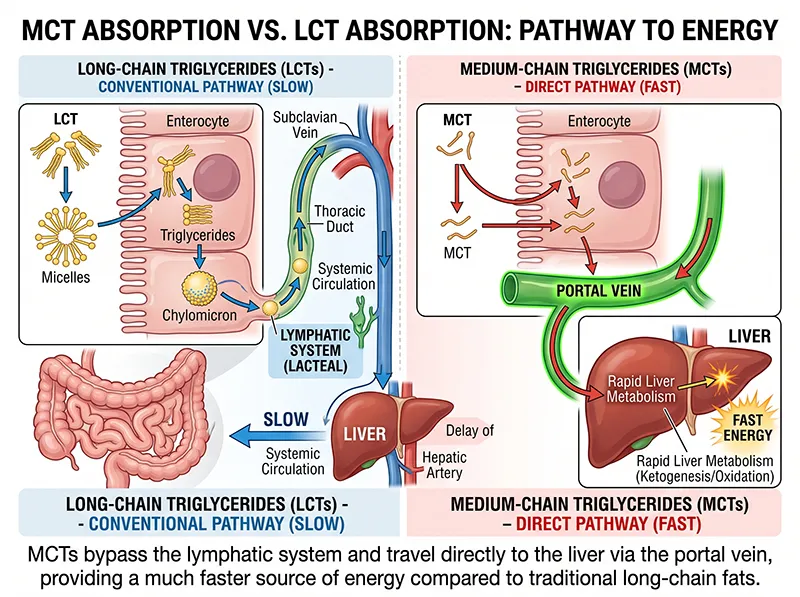
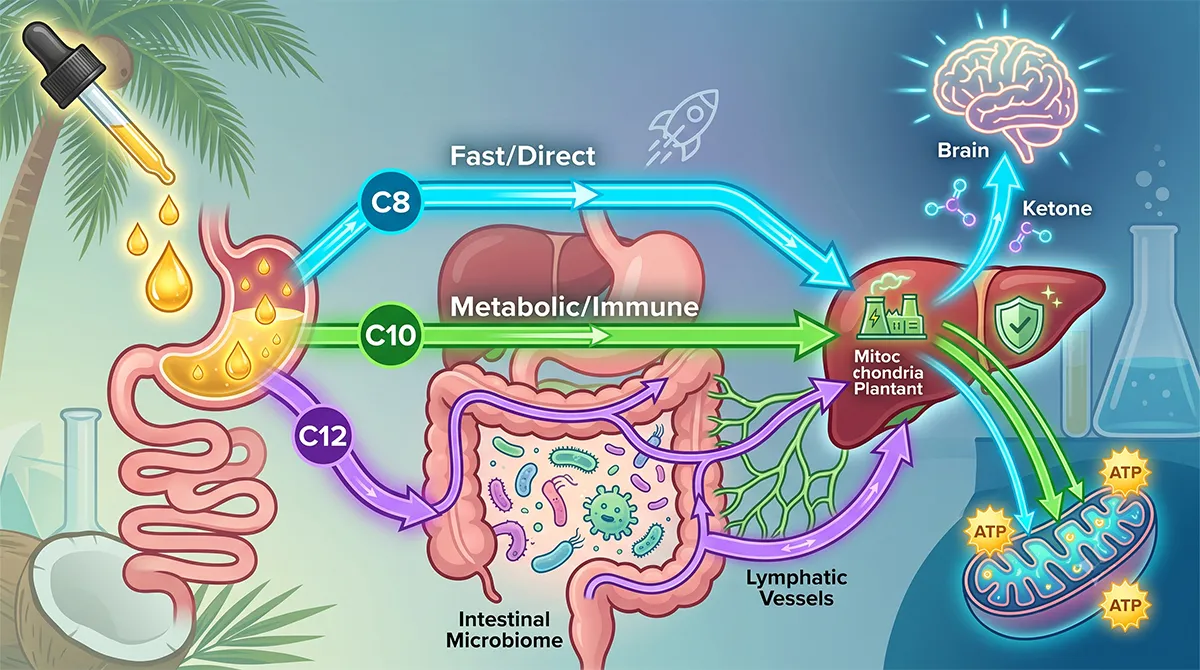
Most dietary fats are long-chain triglycerides (LCTs). When you consume LCTs, they must be broken down by enzymes and bile salts before being transported through the lymphatic system, a process that takes hours. In contrast, MCTs bypass much of this labor-intensive process. Because of their shorter chain structure, they are absorbed directly into the portal vein and sent straight to the liver, where they are immediately converted into fuel.
The Chemical Structure: Understanding Chain Length and Carbon Atoms
The “medium” in MCT refers to the length of the carbon chain attached to the glycerol backbone. These chains range from 6 to 12 carbons long. Each length has a unique impact on human metabolism. By isolating these specific lengths, producers create oils that target different physiological goals, ranging from rapid brain fuel to immune system support.
The Metabolic Shortcut: How MCT Oil Provides Instant Fuel
The primary appeal of MCT oil is its ability to bypass the standard digestive toll, providing nearly instantaneous energy to the body and brain.
The Pathway to the Liver: Bypassing Traditional Fat Digestion
Upon ingestion, MCTs travel directly to the liver. This “metabolic shortcut” is what allows them to be used for energy rather than stored as adipose tissue. Because the body recognizes them as a preferred fuel source, they are oxidized quickly, stimulating the metabolism and providing a steady stream of energy that does not rely on glucose spikes.
Rapid Ketone Production and Cellular Energy
For those adhering to ketogenic diets, MCT oil is a primary driver of ketone production. When the liver processes these fats, it produces ketones—alternative fuel molecules that cross the blood-brain barrier with ease. This provides the brain with a clean, efficient energy source that can mitigate the common fatigue associated with carbohydrate restriction.
Enhancing Mitochondrial Function for Better Performance
MCTs do more than just provide fuel; they support mitochondrial biogenesis. By feeding the mitochondria—the powerhouses of your cells—MCT oil helps enhance cellular efficiency. This leads to improved physical performance, as muscle cells have more readily available energy to sustain output during high-intensity training or endurance efforts.
C8 (Caprylic Acid): The “Brain Fuel” for Peak Cognitive Performance
Among the various MCTs, C8, or caprylic acid, is the undisputed king of cognitive performance. It is the most rapidly converted into energy of all the medium-chain fatty acids.
Why C8 is the Most Ketogenic MCT
Scientific data consistently shows that C8 is three times more ketogenic than C10 and significantly more effective than C12. Because it requires the least amount of processing by the liver, it produces a faster, higher spike in blood ketone levels. If your goal is deep ketosis, C8 is your most efficient tool.
Benefits for Brain Health: Reducing Brain Fog and Improving Mental Clarity
The brain is highly sensitive to fuel quality. When you supplement with pure C8 MCT oil, you are providing a direct, non-glucose fuel source that supports neuronal function. Many users report a lifting of “brain fog” and an increase in focus, which is why C8 is often the preferred choice for professionals and students seeking sustained mental clarity.
Managing Blood Sugar and Improving Insulin Sensitivity
By providing the body with exogenous ketones, C8 can help stabilize blood sugar levels. When the brain runs on ketones, the body’s demand for glucose decreases, which helps reduce systemic insulin spikes. This makes C8 a vital ally for anyone looking to maintain stable energy throughout the day without the crash associated with sugary snacks.
C8 for Athletes: Fat-Burning Energy and Sustained Power
Athletes rely on C8 for its ability to provide “clean” energy. Unlike carbohydrates, which can be depleted rapidly, C8 keeps the metabolic machinery running. By fostering an environment where the body is primed to burn fat for fuel, C8 helps athletes preserve glycogen stores and improve endurance during long-duration activities.
C10 (Capric Acid): The Metabolic and Immune Support Specialist
C10, or capric acid, is the versatile sibling of C8. While it is slightly slower to convert into ketones, it offers a broader range of physiological benefits.
Synergy with C8: Why They are Often Found Together
Many high-quality MCT oil blends combine C8 and C10. This is because they work in concert to provide both immediate energy and sustained metabolic support. C10 helps prolong the effects of C8, ensuring that the “energy window” provided by the supplement is extended, which is ideal for those who need energy that lasts through a long afternoon.
Antifungal and Antimicrobial Properties of Capric Acid
Capric acid possesses notable antimicrobial properties. Research suggests it may play a role in inhibiting the growth of harmful bacteria and fungi, such as Candida. By supporting a healthy internal environment, C10 acts as an immune system modulator, contributing to overall health that goes beyond mere calorie processing.
Boosting the Metabolic Rate and Weight Management
C10 is effective for those focused on weight management. It has been shown to support satiety hormones, helping to reduce appetite between meals. By increasing the metabolic rate, C10 encourages the body to prioritize fat oxidation, making it a valuable tool for body composition goals.
Supporting the Immune System and Healthy Cholesterol Levels
The benefits of C10 extend to cardiovascular health. Some studies indicate that moderate consumption of capric acid can support a healthy lipid profile. When paired with a balanced diet, it aids in maintaining healthy cholesterol levels, demonstrating that C10 is a comprehensive metabolic supporter.
C12 (Lauric Acid): The Underappreciated Powerhouse for Gut Health
C12, or lauric acid, is the most abundant medium-chain fatty acid in coconut oil. Despite being labeled as an MCT, its behavior in the body is more complex than its shorter-chain counterparts.
The C12 Controversy: Is it a Medium-Chain or Long-Chain Fatty Acid?
While C12 is classified as a medium-chain triglyceride, it is often metabolized more like a long-chain fatty acid. It does not go through the same rapid portal vein absorption as C8 or C10. Instead, it often requires transport through the lymphatic system. While this makes it less effective for immediate ketosis, it makes it superior for other specialized health functions.
Antimicrobial Properties: Balancing the Gut Microbiome
C12 is renowned for its potent antimicrobial properties. When consumed, it is converted into monolaurin, a compound known for its ability to disrupt the lipid membranes of pathogens. This makes C12 an essential component for gut health, helping to balance the microbiome and support the intestinal lining.
Lauric Acid and Skin Health: Benefits Beyond Ingestible Products
The benefits of C12 are not limited to the digestive tract. Lauric acid is widely used in topical applications for its ability to soothe and protect the skin. Its inherent antimicrobial nature makes it an excellent choice for supporting clear skin, proving that its utility is as effective externally as it is internally.
Why C12 is Best for Slower, Sustained Antimicrobial Action
Because C12 is digested more slowly, its antimicrobial effects are sustained over a longer period. This provides a slow-release benefit to the gut, ensuring that the digestive system is continuously supported. If your goal is to optimize gut health rather than achieve an immediate energy boost, C12 is your most effective tool.
Direct Comparison: C8 vs. C10 vs. C12 at a Glance
Choosing the right oil depends on your personal health objectives. Below is a breakdown of how these three acids compare.
Speed of Ketosis and Cognitive Impact
- C8: Immediate, high-octane ketone production; best for acute focus.
- C10: Moderate ketone production; provides sustained energy.
- C12: Minimal contribution to ketosis; primarily serves as an immune and gut-supporting agent.
Digestive Tolerance and “Burn” Rate
- C8: Higher risk of digestive upset if taken in large doses too quickly; requires careful titration.
- C10: Better tolerance, though still potent.
- C12: Excellent digestive tolerance; the “slowest” burner of the three.
Targeted Health Benefits: Brain vs. Gut vs. Metabolism
- C8: Optimal for the brain.
- C10: Optimal for metabolism.
- C12: Optimal for the gut.
Decision Guide: Which MCT Type is Right for Your Goals?
Selecting your MCT oil should be a strategic decision based on your daily needs.
The Biohacker’s Choice: Maximum Brain Performance and Ketosis
If your priority is sharpening your mind and achieving rapid ketosis, choose a product that is either 100% C8 or a high-percentage C8 blend. These oils provide the cleanest, most efficient fuel for cognitive tasks. Always ensure your oil is sourced from 100% coconuts to avoid the environmental and quality issues associated with palm oil-derived MCTs.
The Digestive Wellness Plan: Prioritizing Gut Health and Microbiota
If you are struggling with gut health or wish to support your immune system, consider an oil that includes a higher concentration of C12. You may even look for a full-spectrum MCT oil that includes all three—C8, C10, and C12—to gain the benefits of both energy metabolism and systemic immune support.
The Titration Strategy
To avoid the “disaster” of digestive discomfort, start slow. Begin with half a teaspoon per day, mixed into coffee or tea. Gradually increase your intake over two weeks as your system adapts. By slowly introducing these potent fats, you allow your body to optimize its production of the enzymes needed to digest them efficiently, ensuring a seamless transition into a high-performance, fat-fueled lifestyle.
Why We Use MCT Oil That Contains C12 In Some Of Our Products
Medium-chain triglycerides (MCTs) have been gaining widespread attention for their unique health benefits and versatility in various industries, particularly in nutrition and personal care products. While many MCT oils predominantly feature caprylic (C8) and capric (C10) acids due to their rapid absorption and conversion into energy, we have chosen to include MCT oil containing lauric acid (C12) in some of our products. Although lauric acid is sometimes debated within the MCT community, its distinctive qualities make it a valuable ingredient in our formulations.
The Unique Characteristics of Lauric Acid (C12)
Lauric acid stands out among MCTs due to its longer carbon chain, which gives it properties that differ slightly from those of its shorter counterparts, C8 and C10. Unlike the latter, which are directly absorbed via the portal vein and rapidly used for immediate energy, lauric acid is absorbed more gradually and is partially processed by the liver. This allows it to serve other beneficial purposes beyond quick energy release.
One key attribute of lauric acid is its potent antimicrobial properties. It has been shown to effectively combat a variety of pathogens, including bacteria, viruses, and fungi, making it an excellent addition to products focused on health and wellness. This characteristic is particularly beneficial in formulations aimed at supporting immune health or maintaining a healthy gut microbiome.
Versatility in Product Formulations
In our quest to create products that cater not just to immediate energy needs but also to long-term health and wellness, the inclusion of C12 allows for greater versatility. For instance, its antimicrobial properties make it an useful ingredient in not just dietary supplements, but also in skincare products where it can contribute to reducing skin irritation or breakouts caused by microbial activity. Moreover, its gradual metabolism helps in sustaining energy levels over time, which can be beneficial for those seeking endurance rather than a rapid energy spike.
A Balanced Approach
By incorporating MCT oil containing C12, we aim to offer products that align with diverse health objectives, acknowledging that a singular focus on rapid energy might not meet every consumer’s needs. Our balanced approach ensures that while immediate energy delivery is available, we also provide additional health benefits linked to the antimicrobial and metabolic properties of lauric acid.
In conclusion, the inclusion of C12 in select products is a deliberate decision founded on scientific evidence and consumer feedback, and it reinforces our commitment to holistic wellness solutions. Through careful selection and precise formulation, we strive to harness the full spectrum of benefits provided by medium-chain triglycerides, ensuring that our products support a variety of health and well-being goals.
C12 MCT and Cannabinoids: A Match Made In Heaven
When combined, C12 MCTs and cannabinoids create a potent synergy that enhances the bioavailability and effectiveness of cannabinoids. The lipophilic nature of cannabinoids means they dissolve well in fats, and MCTs serve as ideal carriers. This relationship ensures that cannabinoids are more easily absorbed by the body, maximizing their therapeutic effects.
One of the key advantages of this combination is the rapid onset of action. The efficiency with which MCTs are metabolized helps hasten the delivery of cannabinoids into the bloodstream, providing quicker relief for conditions such as chronic pain, anxiety, and inflammation. Moreover, the stabilizing effect of lauric acid on gut health can support the overall absorption of cannabinoids, ensuring consistent and sustained effects.
Applications and Future Prospects
The fusion of C12 MCTs with cannabinoids is opening up new avenues for product development. From tinctures and capsules to edibles and topical formulations, the integration of these compounds is being harnessed for both therapeutic benefits and general wellness. As research continues to unravel the benefits of cannabinoids and MCTs, their combination stands as a promising frontier in nutraceuticals and personalized medicine.
Notably, this synergy also presents an opportunity for reducing the necessary dosage of cannabinoids while maintaining their efficacy, which could potentially mitigate some of the limitations or side effects associated with high-dose cannabinoid therapies.
Conclusion
Understanding the unique functions of C8, C10, and C12 transforms MCT oil from a generic supplement into a precise tool for health optimization. C8 acts as the rapid-response fuel for the brain, C10 serves as a consistent metabolic and energy partner, and C12 acts as a foundational support for gut health and immune integrity. By choosing the right MCT composition for your specific goals, and by utilizing a cautious titration strategy, you can unlock sustained mental clarity, metabolic efficiency, and improved overall wellness. Use this knowledge to refine your routine and fuel your body with the exact science-backed support it requires.
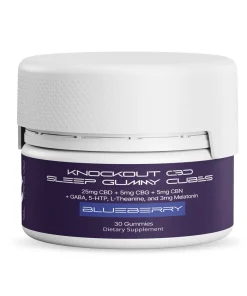
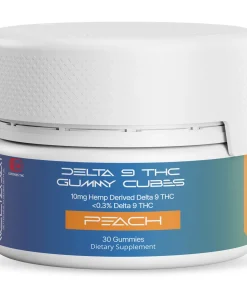
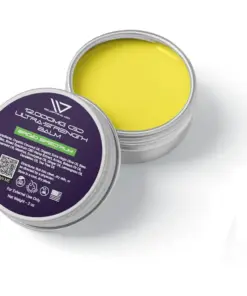
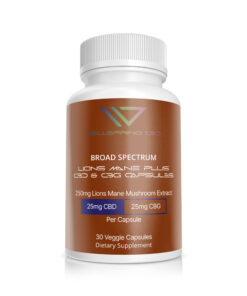
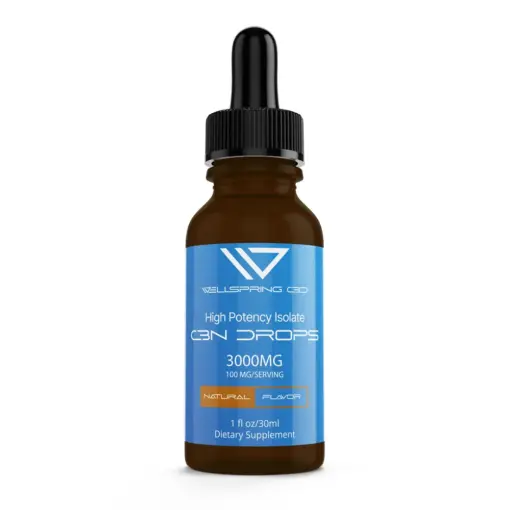
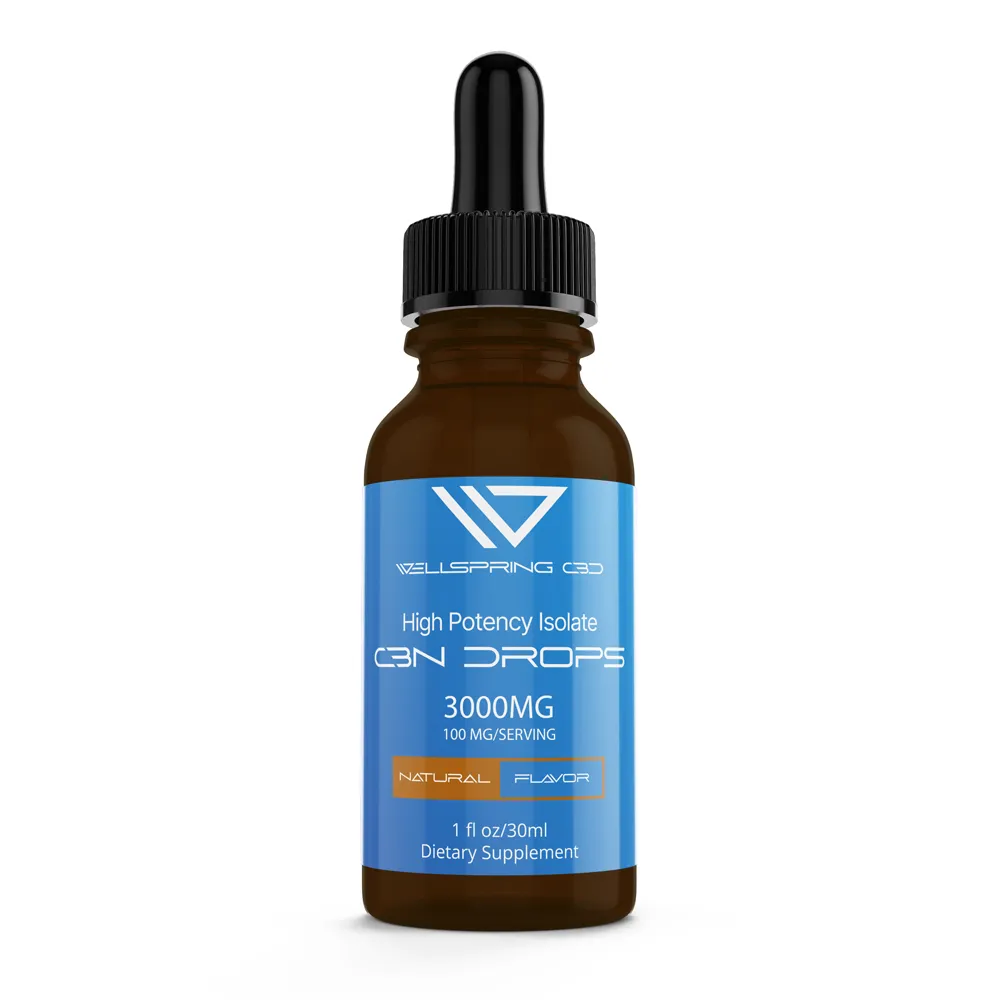
Hemp Products Containing C12 MCT Oil
×
 Open full product page
★★★★★
Price range: $29.95 through $89.95 — or from Price range: $25.46 through $76.46 / month
Jason Liss — Co-Founder & Chief Formulator
As a Co-Founder of Wellspring CBD, Jason has been an advocate and pioneer in the cannabis and hemp industries since 1996. Passionate about helping people achieve better health through unique natural supplements, Jason uses his decades of experience to guide readers toward effective wellness solutions.
In this guide
- 01 Beyond Coconut Oil: The Science of Medium-Chain Triglycerides (MCTs)
- 02 The Metabolic Shortcut: How MCT Oil Provides Instant Fuel
- 03 C8 (Caprylic Acid): The “Brain Fuel” for Peak Cognitive Performance
- 04 C10 (Capric Acid): The Metabolic and Immune Support Specialist
- 05 C12 (Lauric Acid): The Underappreciated Powerhouse for Gut Health
- 06 Direct Comparison: C8 vs. C10 vs. C12 at a Glance
- 07 Decision Guide: Which MCT Type is Right for Your Goals?
- 08 Why We Use MCT Oil That Contains C12 In Some Of Our Products
- 09 C12 MCT and Cannabinoids: A Match Made In Heaven
- 10 Conclusion
- 11 Hemp Products Containing C12 MCT Oil
- 12 High Potency CBN Isolate Drops
Scroll to read · tap a topic to jump



🌱 New Here? First Order
Take 40% Off Your First Order
Join the Wellspring Journal for honest CBD education — enter your name and email to unlock an exclusive first-order code. Instant, no spam, one-click unsubscribe.
🔒 Instant Code
🌿 Zero Spam
✉️ 1-Click Unsubscribe
🌴 90-Day Promise
Discussion