


🔒 Secure Checkout
·
90-Day Promise
·
Free Shipping $75+

🌱 CBD & Wellness Guides
 · Co-Founder & Chief Formulator
Honest Guidance · Daily Routines · Plant Wellness
CBD Melatonin Gummies vs CBD Only: Which Works Better?
· Co-Founder & Chief Formulator
CBD melatonin gummies combine the endocannabinoid-balancing properties of cannabidiol (CBD) with the circadian-regulating effects of melatonin to trigger rapid sleep onset. In contrast, CBD-only sleep gummies exclude melatonin, relying solely on CBD to reduce sleep barriers like anxiety or chronic pain without acting as a direct sedative. Choosing between them depends on whether you struggle more with falling asleep or staying asleep due to underlying stressors.
If you are wondering which option works better for insomnia, the answer lies in matching the product type to the underlying cause of your sleep issue. This data-driven comparison will explore the effectiveness, side effects, and dosing guidance for both approaches.

1. Understanding CBD and Melatonin for Sleep: How Each Works
To understand the melatonin CBD gummies comparison, it is crucial to recognize that these two compounds operate through entirely different biological pathways.
How CBD Works for Sleep
CBD interacts with the body’s endocannabinoid system (ECS), a complex cell-signaling network responsible for maintaining homeostasis. Rather than acting as a traditional sedative, CBD addresses the root causes of sleeplessness. It promotes a calming effect on the central nervous system, helping to alleviate anxiety, quiet racing thoughts, and reduce chronic pain. By lowering these physical and mental barriers, CBD allows your body to transition into sleep naturally.
How Melatonin Works for Sleep
Melatonin is a naturally occurring hormone produced by the pineal gland. It dictates your body’s circadian rhythm—your internal 24-hour clock. As darkness falls, melatonin levels rise, signaling to your brain that it is time to prepare for sleep. Melatonin directly promotes drowsiness and facilitates sleep onset.
The Core Difference
- CBD: Reduces barriers to sleep (like pain or stress).
- Melatonin: Acts as a direct sleep signal to initiate drowsiness.
2. CBD Gummies with Melatonin: The Combined Approach
Can you take CBD and melatonin for sleep? Yes, and many manufacturers combine them specifically for their synergistic effects.
The Synergistic Theory
In a combination gummy, CBD works to calm the mind and relax the physical body, while melatonin simultaneously triggers sleep onset. This dual-action approach is highly effective for people who lie awake with racing thoughts but also need a physical push to fall asleep.
Typical Formulation Ratios
Most high-quality CBD melatonin gummies for sleep feature specific ratios designed to balance relaxation with sedation.
- CBD Content: 10mg to 25mg per gummy.
- Melatonin Content: 1mg to 5mg per gummy.
Who Benefits Most?
Combination gummies are ideal for individuals with irregular sleep schedules, such as shift workers or those suffering from jet lag. They are also highly beneficial for people with anxiety-driven insomnia who need both mental relief and a strong biological cue to sleep. Users typically experience a faster sleep onset, often feeling effects within 30 to 60 minutes.
3. CBD-Only Sleep Gummies: When Less Is More
Despite the popularity of combination products, CBD only sleep gummies are sometimes the superior choice.
Benefits of a CBD-Only Formulation
Some individuals naturally produce adequate amounts of melatonin or suffer from melatonin sensitivity, which can cause vivid dreams, headaches, or morning grogginess. For these users, adding supplemental melatonin is counterproductive. CBD-only products excel at sleep maintenance—helping you stay asleep—rather than just sleep onset.
Ideal Candidates for CBD-Only Gummies
- Chronic pain sufferers who wake up aching.
- Anxious sleepers who wake up in the middle of the night with a racing heart.
- Individuals with healthy, normal circadian rhythms who just need help unwinding.
Typical Dosing and Expectations
A standard dose for the best CBD sleep gummies without melatonin ranges from 15mg to 50mg. Because they do not contain a direct sedative, you will not feel artificially “knocked out.” Instead, users report a gentle winding down of physical and mental tension. This non-habit-forming nature makes CBD-only gummies a preferable long-term solution for those concerned about melatonin dependency.
4. Direct Comparison: Effectiveness, Side Effects, and Use Cases
Understanding the CBD melatonin vs CBD only debate requires looking at the data.
Side-by-Side Comparison
| Feature | CBD + Melatonin Gummies | CBD-Only Gummies |
| Best For | Sleep onset, shift work, jet lag | Sleep maintenance, chronic pain, anxiety |
| Onset Time | 30 to 60 minutes | 45 to 90 minutes |
| Duration of Effect | 4 to 6 hours | 6 to 8 hours |
| Common Side Effects | Morning grogginess, vivid dreams | Mild dry mouth, mild digestive changes |
| Tolerance Risk | Moderate (Melatonin desensitization) | Low (CBD is non-habit forming) |
Research and Tolerance Differences
Clinical studies published in journals like The Permanente Journal have shown CBD’s efficacy in lowering anxiety scores and improving sleep scores within the first month of use. Conversely, research on melatonin highlights its efficacy for circadian misalignment. However, daily use of melatonin can lead to receptor desensitization, meaning you might need higher doses over time to achieve the same effect. CBD does not build tolerance in the same way, making it a sustainable nightly option.
Decision Framework: Which Sleep Problem Do You Have?
- Shift Work or Jet Lag: Choose a Melatonin Combo.
- Chronic Joint or Muscle Pain: Choose CBD-Only.
- Racing Thoughts at Bedtime: Choose a Melatonin Combo.
- Waking Up at 3 AM and Can’t Get Back to Sleep: Choose CBD-Only.
- Melatonin Sensitivity or Morning Grogginess: Choose CBD-Only.
5. Dosage Guidelines: Finding Your Optimal Amount
Proper dosing is the most common competitor gap in sleep supplementation. Because individual biochemistry dictates how you process cannabinoids, a strict titration protocol is necessary.
Start Low and Go Slow Protocol
- Combination Gummies: Start with 10mg of CBD and 1mg to 3mg of melatonin.
- CBD-Only Gummies: Start with 20mg to 25mg of CBD.
Take your chosen dose 30 to 60 minutes before your target bedtime. Maintain this exact dose for three consecutive nights. If your sleep does not improve, increase the CBD amount by 5mg to 10mg.
Factors Affecting Your Dosage
- Body Weight: Heavier individuals generally require higher doses.
- Metabolism: A faster metabolism may process the gummy faster, shortening the duration of its effects.
- Severity of Issues: Chronic insomnia requires higher therapeutic doses than occasional restlessness.
Note: How much melatonin is in just CBD gummies? Zero. True CBD-only gummies contain 0mg of melatonin. Always check the label, as some brands confusingly label combination products simply as “Sleep Gummies.”
6. What to Look for When Choosing CBD Sleep Gummies
Not all sleep supplements are created equal. To ensure do sleep gummies improve sleep quality for you, rigorous vetting is required.
Third-Party Lab Testing
Always look for a Certificate of Analysis (COA) from an independent laboratory. This verifies the potency of the CBD and ensures the product is free from heavy metals, pesticides, and residual solvents.
Spectrum Types
- Full-Spectrum: Contains CBD, trace amounts of THC (under 0.3%), and other cannabinoids. Often best for sleep due to the “entourage effect.”
- Broad-Spectrum: Contains all cannabinoids except THC. Good for those sensitive to THC.
- Isolate: Pure CBD only. Less effective for sleep but completely THC-free.
Additional Sleep-Supporting Ingredients
Many top-tier gummies include botanical additions to enhance relaxation without relying solely on melatonin. Look for L-theanine (an amino acid that promotes alpha brain waves), chamomile, passionflower, and GABA.
Quality Markers
Opt for gummies made from organically grown, US-sourced hemp. Check the sugar content; heavily sugared gummies can cause blood sugar spikes that actually disrupt sleep architecture.
7. Safety Considerations and When to Consult a Doctor
While CBD and melatonin are widely considered safe, they are biologically active compounds that demand respect.
Drug Interactions
CBD utilizes the CYP450 enzyme system in the liver, the same pathway used by many prescription drugs. CBD can interact with blood thinners, certain antidepressants, and sedatives. Melatonin can interact with immunosuppressants and diabetes medications.
Workplace Drug Testing
If you are subject to workplace drug testing, exercise extreme caution. Full-spectrum CBD gummies contain trace amounts of THC, which can accumulate in fat cells over time and trigger a positive drug test. If this is a concern, exclusively use broad-spectrum or isolate products with verified COAs.
When to Seek Professional Medical Advice
Consult a healthcare provider if you are pregnant, breastfeeding, or have autoimmune or hormone-sensitive conditions. Furthermore, if you experience chronic insomnia lasting more than three weeks despite lifestyle changes and supplementation, it may warrant a professional sleep study to rule out sleep apnea or other serious disorders.
Conclusion
Deciding between CBD melatonin gummies and CBD-only sleep gummies comes down to understanding your specific sleep hurdles. If your circadian rhythm is off or you need a heavy push to fall asleep, the synergistic blend of CBD and melatonin is highly effective. However, if you are looking to stay asleep, manage pain, or avoid morning grogginess, CBD-only formulations are often the better, more sustainable choice.
Ready to optimize your rest?
- Shop our curated selection of third-party tested CBD sleep gummies.
- Check out our Complete guide to CBD dosage for beginners and Understanding full-spectrum vs isolate CBD products for more information.
FAQ Section
Should I take CBD or melatonin for sleep?
Take melatonin if you struggle with sleep onset or circadian disruptions like jet lag. Take CBD if your sleep is disrupted by anxiety, stress, or chronic pain. If you experience both, a combination gummy may be the most effective solution.
Is it okay to take CBD every night for sleep?
Yes, it is generally safe to take CBD every night. Unlike many sleep aids or high-dose melatonin, CBD is non-habit-forming, does not cause physical dependency, and does not typically lead to receptor down-regulation or tolerance buildup over time.
Do doctors recommend CBD for sleep?
Many doctors and sleep specialists cautiously recommend CBD as a natural alternative to prescription sedatives for anxiety-induced insomnia. However, they emphasize using third-party tested products and consulting a physician first, especially to rule out potential medication interactions.
What is the most effective gummy for sleep?
The most effective gummy depends on your symptoms. Full-spectrum CBD combined with botanicals like L-theanine is highly effective for sleep maintenance. For rapid sleep onset, a broad-spectrum CBD gummy containing 2mg to 3mg of melatonin is widely considered optimal.
Can you take CBD and melatonin together safely?
Yes, taking CBD and melatonin together is safe for most adults. They work on different biological pathways—CBD targets the endocannabinoid system for relaxation, while melatonin signals the brain’s circadian clock to initiate sleep. Together, they create a synergistic sleep effect.
How long does it take CBD sleep gummies to work?
CBD sleep gummies typically take 30 to 60 minutes to take effect. The exact timing depends on your metabolism, whether you have eaten a large meal recently, and the specific formulation. Sublingual CBD oils act faster, but gummies provide longer-lasting effects.
Will CBD gummies make me groggy in the morning?
CBD-only gummies rarely cause morning grogginess, as they do not act as direct sedatives. However, CBD gummies that also contain melatonin can cause a “hangover” effect if the melatonin dose is too high (above 3mg) or taken too late at night.
Do CBD sleep gummies actually improve sleep quality?
Yes, clinical evidence and user reports indicate do CBD gummies help sleep architecture by reducing nighttime awakenings and extending deep sleep stages. By mitigating pain and anxiety, they address the root causes of sleep disruption rather than just forcing unconsciousness.
CBD Sleep Gummies With Melatonin
-
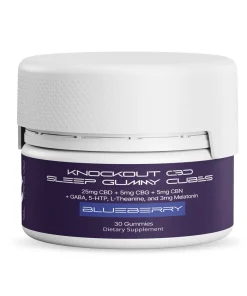
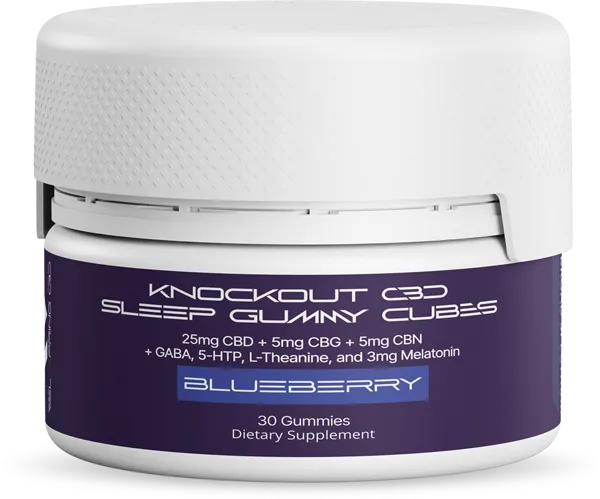
25mg Knockout CBD Gummies Deep Sleep Formulation
$39.95 — or Original price was: $39.95.$33.96Current price is: $33.96. / month
CBD Sleep Gummies Without Melatonin
-

50mg CBD/CBN/CBG Sleep Gummies
$39.95 — or Original price was: $39.95.$33.96Current price is: $33.96. / month
Jason Liss — Co-Founder & Chief Formulator
As a Co-Founder of Wellspring CBD, Jason has been an advocate and pioneer in the cannabis and hemp industries since 1996. Passionate about helping people achieve better health through unique natural supplements, Jason uses his decades of experience to guide readers toward effective wellness solutions.
In this guide
- 01 1. Understanding CBD and Melatonin for Sleep: How Each Works
- 02 2. CBD Gummies with Melatonin: The Combined Approach
- 03 3. CBD-Only Sleep Gummies: When Less Is More
- 04 4. Direct Comparison: Effectiveness, Side Effects, and Use Cases
- 05 5. Dosage Guidelines: Finding Your Optimal Amount
- 06 6. What to Look for When Choosing CBD Sleep Gummies
- 07 7. Safety Considerations and When to Consult a Doctor
- 08 Conclusion
- 09 FAQ Section
- 10 25mg Knockout CBD Gummies Deep Sleep Formulation
- 11 50mg CBD/CBN/CBG Sleep Gummies
Scroll to read · tap a topic to jump



🌱 New Here? First Order
Take 40% Off Your First Order
Join the Wellspring Journal for honest CBD education — enter your name and email to unlock an exclusive first-order code. Instant, no spam, one-click unsubscribe.
🔒 Instant Code
🌿 Zero Spam
✉️ 1-Click Unsubscribe
🌴 90-Day Promise
Discussion