





🔒 Secure Checkout
·
90-Day Promise
·
Free Shipping $75+

🌱 Cannabinoids Explained
 · Co-Founder & Chief Formulator
Honest Guidance · Daily Routines · Plant Wellness
The Gut-Brain-Endocannabinoid Axis: Why Stress Triggers GI Spasms and Bloating
· Co-Founder & Chief Formulator
Almost everyone has experienced the physical sensation of a “nervous stomach.” Whether it manifests as butterflies before an important presentation, a sudden wave of nausea during emotional turmoil, or sharp intestinal cramps followed by urgent trips to the bathroom, the connection between mental distress and digestive chaos is immediate and undeniable.
Yet for tens of millions of individuals, this discomfort is not an occasional inconvenience. It is a daily, exhausting reality. Chronic stress triggers persistent abdominal bloating, painful smooth-muscle spasms, acid sensitivity, and erratic bowel habits that defy standard antacids and elimination diets.
When medical tests come back “normal,” patients are frequently told that their symptoms are functional or “all in their head.”
In a sense, that diagnosis is partially true—but not in the way patients think. The stomach and the brain are physically, neurologically, and biochemically tethered through a sophisticated bidirectional communication highway known as the gut-brain axis. Running silently through every inch of this highway is the Endocannabinoid System (ECS).
When chronic psychological stress depletes your body’s natural endocannabinoids, the delicate signaling between your brain and your digestive tract fractures. The result is visceral hypersensitivity, hyperactive muscle contractions, and painful bloating.
Below, we examine the anatomy of the enteric nervous system, explore how the vagus nerve translates mental anxiety into physical cramps, evaluate the clinical theory of Endocannabinoid Deficiency, and outline how targeted sublingual cannabinoids restore visceral calm.
The “Second Brain”: The Enteric Nervous System and Cannabinoid Receptors
Deep within the walls of your gastrointestinal tract lies a complex mesh of over 500 million neurons—more nerve cells than are found in the entire spinal cord. Known in neurobiology as the Enteric Nervous System (ENS) or the “second brain,” this autonomous network governs everything from digestive enzyme secretion and blood flow to the rhythmic muscular contractions that propel food through your intestines (peristalsis).
Crucially, the enteric nervous system does not operate in isolation. It is densely populated with cannabinoid receptors:
1. Enteric CB1 Receptors: Regulating Motility and Spasms
CB1 receptors are heavily expressed along the myenteric and submucosal nerve plexuses of the stomach and intestines. When activated by endogenous cannabinoids (like anandamide) or plant phytocannabinoids, CB1 receptors act as a biological brake pedal. They modulate acetylcholine release, calming hyperactive, spastic muscle contractions and preventing erratic, painful cramps.
2. Enteric CB2 Receptors: Guarding the Mucosal Barrier
CB2 receptors are concentrated across intestinal immune cells, lamina propria, and epithelial tissue. They regulate localized inflammatory cascades, monitor gut flora balance, and prevent excessive cytokine release that can erode the delicate intestinal lining.
For a foundational look at how hemp compounds interact with digestive wellness, read our guide on CBD oil for gut and digestive health.
The Vagus Nerve Superhighway: How Mental Stress Becomes Physical Bloating
The primary physical link connecting the brain in your head to the brain in your gut is the vagus nerve—the tenth cranial nerve and the longest nerve in the autonomic nervous system.
Remarkably, the vagus nerve is an 80% to 90% afferent communication channel, meaning nine out of every ten nerve signals travel upward from your gut to your brain, while the remainder transmit commands downward.
[ CHRONIC MENTAL STRESS / ANXIETY ]
                 │
                 ▼ (Sympathetic Nervous Surge)
[ HPA Axis Activation: Cortisol & CRF Influx ]
                 │
                 ▼ (Vagal Signaling Disruption)
[ ENTERIC HYPER-REACTIVITY IN THE GUT ]
  ├── Smooth Muscle Spasms & Cramps (Altered Motility)
  ├── Delayed Gastric Emptying (Nausea & Fullness)
  ├── Increased Intestinal Permeability ("Leaky Gut")
  └── Visceral Hypersensitivity (Painful Trapped Gas & Bloating)
The Sympathetic Freeze
When your brain perceives psychological danger—a hostile email, financial worry, or chronic overwork—your autonomic nervous system shifts into sympathetic “fight-or-flight” mode. The brain’s Hypothalamic-Pituitary-Adrenal (HPA) axis floods the body with cortisol and corticotropin-releasing factor (CRF).
In an evolutionary survival context, digestion is non-essential. The body abruptly shuts down parasympathetic “rest-and-digest” signaling:
- Gastric Stasis: The stomach ceases normal churning, leaving food sitting stagnant in the upper GI tract, triggering heartburn and nausea. (To manage acute stomach sensitivity, see our clinical guide on using CBD oil for nausea).
- Erratic Colonic Spasms: Simultaneously, stress hormones hyper-sensitize lower intestinal nerves, causing rapid, uncoordinated smooth-muscle spasms that trap gas pockets and cause painful abdominal distension.
- Microbial Shifts: Prolonged stress alters gut transit times, disrupting healthy microbiome diversity and allowing opportunistic bacteria to ferment carbohydrates prematurely, producing relentless bloating.
Clinical Endocannabinoid Deficiency (CECD) and Visceral Hypersensitivity
Why do some individuals experience mild butterflies under stress, while others develop debilitating irritable bowel symptoms, chronic cramps, or post-meal bloating?
A compelling explanation comes from the Clinical Endocannabinoid Deficiency (CECD) theory, pioneered by celebrated neurologist and psychopharmacology researcher Dr. Ethan Russo. In landmark clinical literature published in Cannabis and Cannabinoid Research and documented on PubMed Central (PMC5576607), Dr. Russo proposed that certain treatment-resistant functional conditions—specifically including Irritable Bowel Syndrome (IBS), fibromyalgia, and migraines—share a common underlying pathology: an underperforming endocannabinoid system.
When your body cannot synthesize adequate levels of anandamide and 2-AG, or when stress enzymes degrade them too quickly, your enteric nervous system loses its homeostatic stabilizer.
The threshold for visceral pain drops dramatically. Normal biological events—such as standard intestinal gas transit, mild fluid shifts, or routine muscular peristalsis—are registered by hypersensitized enteric nerves as severe, acute agony.
How CBD Calms the Gut-Brain Circuit
Phytocannabinoids like cannabidiol (CBD) do not act like chemical numbing agents or harsh pharmaceutical antispasmodics. Instead, CBD restores equilibrium across the gut-brain circuit through three complementary mechanisms:
1. Modulating Visceral Pain via TRPV1 Channels
CBD binds directly to Transient Receptor Potential Vanilloid 1 (TRPV1) ion channels embedded throughout the enteric mucosa. In functional gut disorders, TRPV1 channels are chronically inflamed and hyperactive, firing false alarm signals to the brain. CBD temporarily desensitizes these channels, raising the visceral pain threshold and relieving the agonizing sensation of trapped abdominal pressure.
2. Reinforcing Intestinal Epithelial Tight Junctions
Under chronic stress, cortisol weakens the microscopic protein bonds (claudins and occludins) that hold the intestinal mucosal lining together, contributing to increased epithelial permeability (“leaky gut”). In research published in Frontiers in Cellular Neuroscience, cannabinoid receptor activation was shown to protect tight junction integrity, preventing pro-inflammatory bacterial toxins (like LPS) from leaking into the bloodstream and triggering systemic inflammation.
3. Normalizing Dysfunctional Motility
Unlike synthetic anti-diarrheal drugs that can completely freeze bowel motility and cause severe constipation, CBD acts as an intelligent modulator. It dampens hyperactive smooth-muscle spasms in over-stimulated intestines, while supporting healthy transit in sluggish digestive systems. For a closer look at bowel motility mechanics, review our report on whether CBD causes constipation.
For women whose gastrointestinal spasms flare alongside cyclical menstrual tension, explore our analysis on 7 ways to use CBD for cramps.
Stress Response vs. Cannabinoid Homeostasis in the Gut
| Gastrointestinal Parameter | Under Chronic Psychological Stress (Sympathetic Dominance) | Under Cannabinoid Homeostasis (ECS Balance) |
|---|---|---|
| Enteric Muscular Motility | Erratic, painful smooth-muscle spasms; cramping and gas trapping | Rhythmic, smooth peristaltic contractions; relaxed transit |
| Visceral Pain Threshold | Hypersensitive; normal digestive transit registered as acute agony | Balanced; TRPV1 channels desensitized to normal threshold |
| Gastric Emptying | Delayed stasis; causes post-meal fullness, reflux, and nausea | Normalized emptying; smooth transition into the duodenum |
| Mucosal Barrier (Tight Junctions) | Weakened by cortisol; elevated intestinal permeability (“leaky gut”) | Stabilized; CB2 signaling reinforces epithelial tight junctions |
| Mast Cell Degranulation | Hyperactive; releases histamine and cytokines into gut mucosa | Calmed; reduced mast cell activation and localized inflammation |
| Vagus Nerve Tone | Suppressed parasympathetic signaling; frozen “fight-or-flight” state | Supported parasympathetic “rest-and-digest” biological rhythm |
Targeted Botanical Terpenes: Enhancing Visceral Relaxation
While pure cannabidiol provides foundational enteric balance, combining CBD with targeted, gut-soothing botanical terpenes amplifies smooth-muscle relief through the entourage effect:
- Linalool: Abundant in natural lavender, linalool exhibits profound antispasmodic and anxiolytic properties. It calms the autonomic nervous system, directly relaxing tension along the vagal pathway.
- Myrcene: Known for its earthy aroma, myrcene promotes deep physical muscle relaxation and enhances the permeability of cell membranes, allowing cannabinoids to absorb efficiently.
- Beta-Caryophyllene: A dietary terpene found in black pepper and cloves, beta-caryophyllene acts as a direct CB2 receptor agonist, quieting inflammatory signaling in intestinal mucosal tissue.
Why Sublingual Drops Outperform Swallowed Capsules for Gut Tension
When your stomach is in knots, swallowing a hard capsule or heavy edible can trigger immediate nausea or delayed absorption due to gastric stasis.
Administering calibrated sublingual drops directly under the tongue bypasses the stomach entirely. Active cannabinoids enter sublingual microcapillaries within 60 to 90 seconds, entering systemic circulation to calm enteric nerve excitability within 15 to 25 minutes.
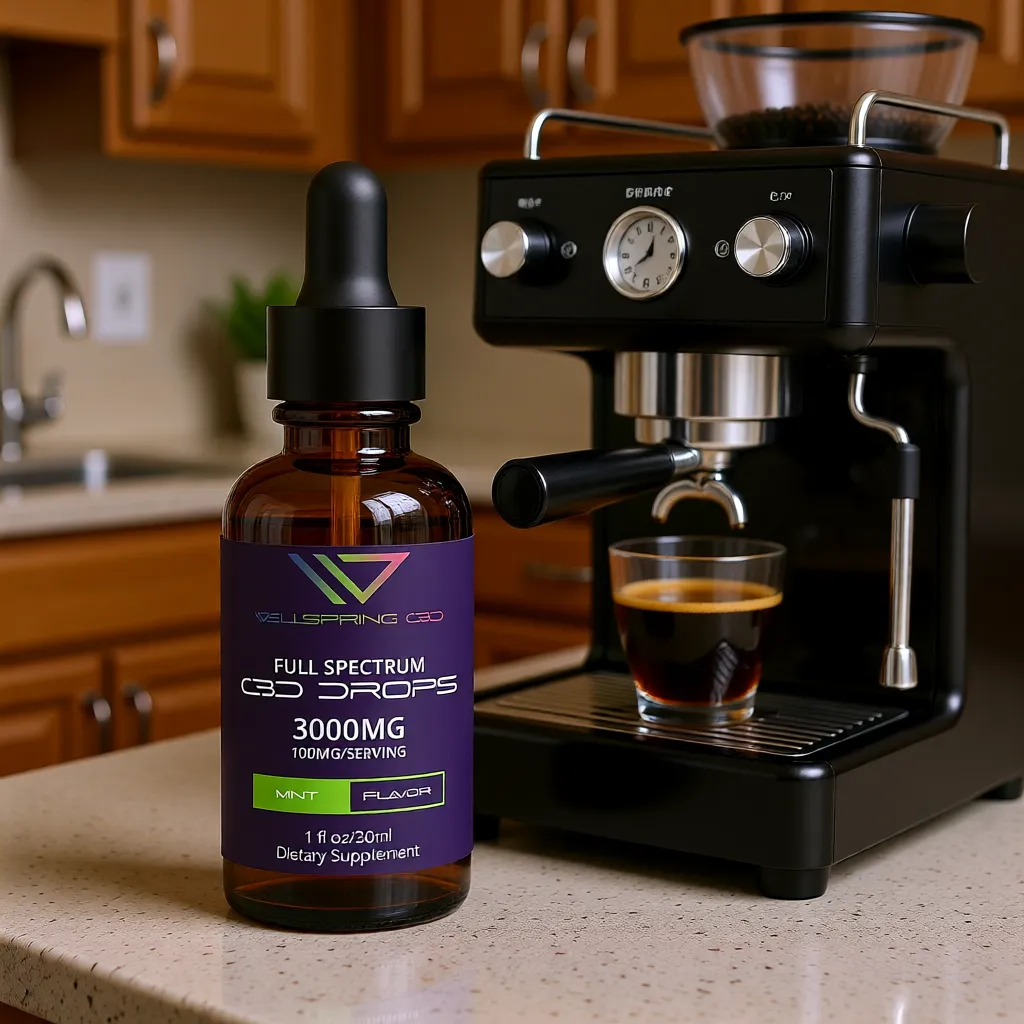
The Wellspring Formulation: Relax Isolate Drops
At Wellspring CBD, we understand that digestive distress requires clean, non-irritating formulations free from artificial sweeteners, harsh alcohol tinctures, or synthetic additives that can upset sensitive digestive tracts.
Our sublingual CBD relax drops for gut tension combine pure, laboratory-verified 0.0% THC cannabidiol with a targeted calming terpene blend suspended in gentle organic coconut MCT oil. Formulated in Cheyenne, Wyoming, every batch is independently tested by accredited third-party ISO 17025 laboratories to guarantee exact milligram potencies and confirm zero pesticides, residual solvents, or heavy metals.
Explore our dedicated Calm Series and our Stress Relief collection today and take back your daily digestive comfort, backed by our 90-Day Satisfaction Promise.
Frequently Asked Questions
Can CBD cause stomach upset or acid reflux?
Pure cannabidiol is gentle on the stomach and does not erode the gastric mucosal barrier. However, if a low-quality product uses cheap, rancid carrier oils, artificial flavorings, or high concentrations of alcohol, those additives can irritate a sensitive stomach. Choosing clean, certified 0.0% THC isolate drops suspended in pure organic coconut MCT oil ensures maximum digestive comfort.
How quickly will sublingual CBD relieve stress-induced stomach cramps?
When held under the tongue for 60 to 90 seconds before swallowing, active cannabinoids absorb through sublingual mucosal capillaries directly into the bloodstream. Most users experience a noticeable easing of visceral muscle tension and abdominal tightness within 20 to 30 minutes.
Can I take CBD for gut spasms if I am already taking probiotics or digestive enzymes?
Yes. Cannabinoids work through cellular endocannabinoid receptors and do not interfere with digestive enzymes or beneficial probiotic bacteria. In fact, supporting endocannabinoid tone creates a calmer, less inflamed intestinal environment that allows probiotic colonies to thrive.
Can CBD replace prescription antispasmodic medications for IBS?
CBD is a dietary supplement designed to support natural homeostatic balance; it is not a prescription pharmaceutical. If you are currently prescribed medications for irritable bowel syndrome or inflammatory bowel disease, never alter your treatment plan without consulting your gastroenterologist. Many patients coordinate with their physicians to incorporate sublingual CBD as a complementary daily wellness tool.
🌿 Formulations in This Guide
Recommended Products for Your Routine
Organic US-grown hemp, batch Certificate of Analysis published on each page, backed by our 90-Day Money-Back Promise.

Jason Liss — Co-Founder & Chief Formulator
As a Co-Founder of Wellspring CBD, Jason has been an advocate and pioneer in the cannabis and hemp industries since 1996. Passionate about helping people achieve better health through unique natural supplements, Jason uses his decades of experience to guide readers toward effective wellness solutions.
In this guide
- 01 The “Second Brain”: The Enteric Nervous System and Cannabinoid Receptors
- 02 The Vagus Nerve Superhighway: How Mental Stress Becomes Physical Bloating
- 03 Clinical Endocannabinoid Deficiency (CECD) and Visceral Hypersensitivity
- 04 How CBD Calms the Gut-Brain Circuit
- 05 Stress Response vs. Cannabinoid Homeostasis in the Gut
- 06 Targeted Botanical Terpenes: Enhancing Visceral Relaxation
- 07 The Wellspring Formulation: Relax Isolate Drops
- 08 Frequently Asked Questions
Scroll to read · tap a topic to jump



🌱 New Here? First Order
Take 40% Off Your First Order
Join the Wellspring Journal for honest CBD education — enter your name and email to unlock an exclusive first-order code. Instant, no spam, one-click unsubscribe.
🔒 Instant Code
🌿 Zero Spam
✉️ 1-Click Unsubscribe
🌴 90-Day Promise

Discussion