
🔒 Secure Checkout
·
90-Day Promise
·
Free Shipping $75+
🌱 CBD & Wellness Guides
 · Co-Founder & Chief Formulator
Honest Guidance · Daily Routines · Plant Wellness
The Ultimate CBD Topical Guide: Benefits, Usage, and How to Choose
· Co-Founder & Chief Formulator
The growing interest in wellness and natural health alternatives has thrust CBD topicals into the spotlight, transforming them from niche products into staples for athletic recovery and dermatological care. While many consumers view these products through a simplistic lens—often treating them as generic moisturizers—the reality is grounded in complex human physiology.
This guide serves as an authoritative resource, designed to move beyond marketing buzzwords to explore the clinical nuances of how cannabinoids interact with the body’s largest organ. By examining the endocannabinoid system, the physics of skin permeability, and the strategic layering of ingredients, this article provides the technical framework necessary to move from casual user to informed advocate for your own health.
Understanding CBD Topicals: Why the Skin is a Unique Gateway to Wellness
The efficacy of CBD topicals relies on a fundamental misunderstanding held by the general public: that the skin is merely a passive barrier. In reality, the skin is a dynamic, metabolically active organ equipped with an intricate network of receptors designed to maintain homeostasis. When we apply cannabinoids—the active compounds found in hemp and cannabis—to the skin, we are not simply masking symptoms; we are engaging with a biological signaling system that regulates everything from pain perception to cellular turnover.
The Role of the Endocannabinoid System (ECS) in Skin Health
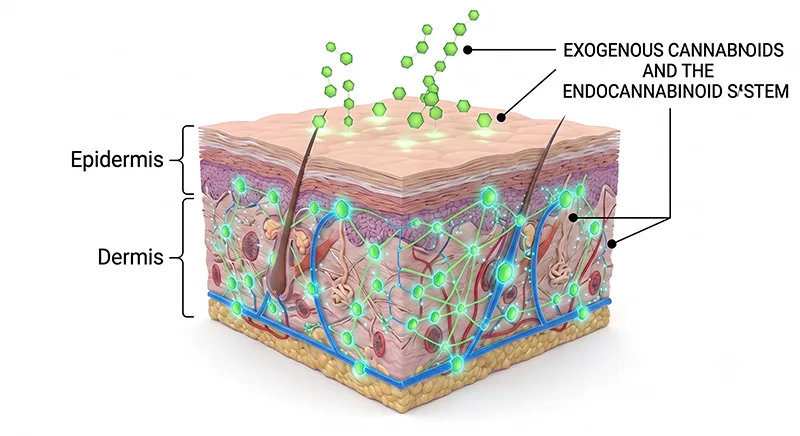
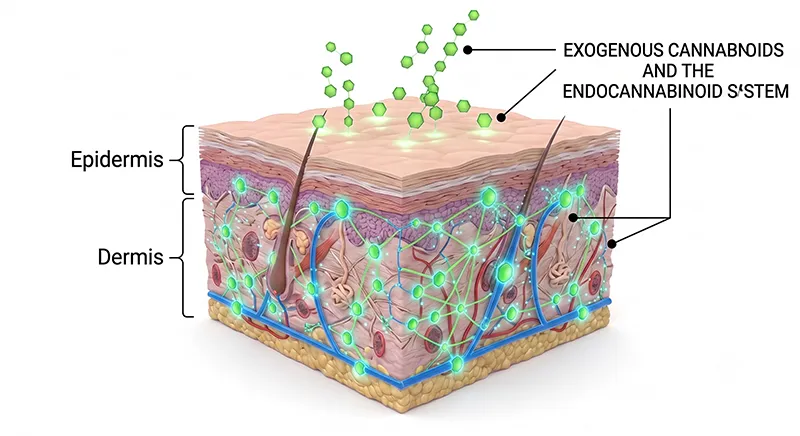
The skin features its own peripheral Endocannabinoid System (ECS). Applying CBD topicals introduces cannabinoids that interact directly with this localized network to help maintain cellular balance.
The endocannabinoid system is a ubiquitous cell-signaling network comprising endocannabinoids, enzymes, and receptors. While often associated with the central nervous system, the ECS is heavily expressed throughout the integumentary system. Research indicates that the skin possesses its own peripheral ECS, which plays a critical role in controlling cell proliferation, differentiation, and apoptosis (programmed cell death).
When the skin’s balance is disrupted—whether through inflammation, oxidative stress, or environmental pollutants—the endocannabinoids naturally produced by the body may struggle to maintain equilibrium. Introducing exogenous cannabinoids through topicals can help supplement this signaling network, effectively “tuning” the ECS to promote healthier skin function.
How CBD Interacts with CB2 Receptors on a Localized Level
While the CB1 receptor is primarily concentrated in the brain and central nervous system, the CB2 receptor is highly prevalent in the skin’s immune cells, keratinocytes, and sebocytes. CBD does not bind directly to these receptors in the same way THC does; instead, it acts as a modulator, influencing the receptor’s behavior and increasing the efficacy of the body’s natural endocannabinoids.
By interacting with CB2 receptors, CBD may help mitigate the chemical signals that lead to inflammation and discomfort. This interaction is particularly effective for addressing localized skin irritation, as it helps regulate the immune response that often exacerbates conditions like redness, dryness, or post-injury swelling.
Phytocannabinoids vs. Systemic Absorption: What Makes Topicals Different?
A common confusion in the wellness space is the difference between systemic and localized delivery. Most ingestible CBD products enter the bloodstream, affecting the entire body. Topicals, by contrast, are designed for localized interaction. They are formulated to permeate the skin’s outer layers and engage with the receptors within the tissue, muscles, and joint spaces directly beneath the site of application. Because cannabinoids are lipid-soluble, they can cross the skin’s barrier, but they rarely reach the bloodstream in high enough concentrations to cause systemic effects. This makes CBD topicals an ideal choice for individuals seeking relief from muscle soreness or joint discomfort without the potential for systemic interference.
The Science of Absorption: How CBD Penetrates the Skin Barrier
The human skin is designed to keep external substances out. The stratum corneum, the outermost layer of the epidermis, acts as a formidable biological gatekeeper. To be effective, a CBD product must be scientifically engineered to bypass this barrier. This process, known as dermal penetration, is the primary differentiator between high-quality wellness products and ineffective lotions.
Topical vs. Transdermal: Understanding the Depth of Delivery
There is a technical distinction between “topical” and “transdermal” applications that is often ignored by manufacturers. A standard topical product remains largely in the epidermis and dermis, offering superficial or localized relief. A transdermal product, however, is specifically formulated to penetrate through the skin and enter the systemic circulation. Transdermal patches or advanced gels often include “permeation enhancers” that temporarily disrupt the skin’s barrier, allowing the cannabinoids to reach the bloodstream. Understanding this distinction is vital: if your goal is to manage joint discomfort in a specific knee or shoulder, you want a high-potency topical balm; if your goal is systemic relief, you should look for advanced transdermal technology.
The Importance of Carrier Oils: Jojoba, Coconut Oil, and Cocoa Butter
Cannabinoids are hydrophobic—they do not dissolve in water. Therefore, they require a lipid-based carrier to penetrate the skin. The choice of carrier oil is not just about texture; it is about bioavailability. Coconut oil (rich in medium-chain triglycerides) serves as an excellent vehicle because it is easily absorbed by the skin. Jojoba oil, which closely mimics the human body’s natural sebum, allows for deeper penetration into the pores. Cocoa butter provides a dense, protective layer that slows the release of cannabinoids, allowing for longer-lasting localized support. A professional-grade CBD cream will always prioritize these high-quality fats over synthetic fillers.
Skin Bioavailability: Factors That Influence Permeation Rates
The rate at which CBD penetrates the skin depends on several variables. Temperature, skin hydration, and the presence of hair follicles all impact absorption. Warm, hydrated skin is significantly more permeable than cold, dry skin, which is why experts often recommend applying CBD topicals after a warm shower. Additionally, the concentration of CBD within the product plays a role; however, it is not always a linear relationship. Applying a massive amount of low-quality product is often less effective than applying a smaller, highly concentrated formula that has been optimized for deep tissue penetration.
Choosing Your Formula: A Decision Matrix for Every Need
Navigating the market of CBD topicals requires a systematic approach. By matching your specific physical needs with the correct product viscosity and formulation, you can maximize the therapeutic potential of your investment.
CBD Balms and Salves: High-Viscosity Support for Joint Discomfort
Balms and salves are defined by their high wax and oil content. Because they are thick and occlusive, they sit on the skin for an extended period, providing a slow, steady release of cannabinoids. This makes them the premier choice for chronic joint discomfort or stubborn areas of muscle tightness. The physical act of massaging a salve into a joint also promotes increased blood flow, further enhancing the absorption of the cannabinoids into the tissue.
CBD Creams and Lotions: Lightweight Hydration for Skin Irritation
If you are dealing with generalized skin irritation, dryness, or superficial inflammation, a lightweight CBD cream is superior to a heavy balm. Creams contain water, which provides hydration, while the emulsified oils deliver the CBD. These formulas are designed for rapid absorption, leaving no greasy residue behind. They are ideal for daily use on the face or hands, where aesthetics and quick application are key.
Roll-Ons and Cooling Gels: Targeted Relief for Post-Workout Recovery
Athletes and active individuals often prefer roll-ons and gels because they allow for precise, mess-free application immediately following a workout. These formulas often integrate fast-evaporating ingredients that provide an instant sensory cooling effect. The immediate reduction in perceived skin temperature can act as a distraction from deep muscle soreness, while the CBD works to modulate the inflammation localized in the muscle fibers.
Transdermal Patches and Gels: Steady Release for Long-Term Management
For individuals requiring consistent support throughout the day, transdermal patches offer a “set it and forget it” solution. By utilizing a time-release mechanism, the patch ensures a constant flow of cannabinoids through the skin and into the body over 8 to 12 hours. This is particularly useful for those managing ongoing discomfort that doesn’t respond well to intermittent, topical application.
Beyond Cannabidiol: Why Secondary Ingredients Matter
A top-tier CBD topical is rarely just CBD. The synergistic relationship between cannabinoids and other botanical compounds is what elevates a product from a simple moisturizer to a sophisticated recovery tool.
Cooling and Warming Agents: Menthol, Eucalyptus, and Warming Blends
Many modern topicals utilize the concept of “thermal therapy.” Menthol and eucalyptus provide a cooling sensation by stimulating the TRPM8 receptors in the skin, which can help mask pain signals through a process called the “gate control theory.” Conversely, warming agents like capsicum or ginger increase local circulation. When paired with CBD, these thermal agents create a dual-action effect, addressing discomfort both through sensory distraction and the modulation of inflammation at the tissue level.
Botanical Powerhouses: Arnica, Aloe Vera, and Shea Butter
Arnica montana has long been used in traditional herbal medicine to soothe bruised skin and reduce muscle aches. When combined with CBD, arnica provides a multi-faceted approach to recovery. Aloe vera provides essential hydration and cooling properties for inflamed skin, while shea butter provides a rich, fatty acid-dense base that nourishes the skin barrier. These botanical inclusions don’t just “fill out” the ingredient list; they provide a comprehensive support system for skin health and recovery.
The Role of Terpenes and Flavonoids in Topical Efficacy
Terpenes are aromatic compounds found in plants that, when paired with cannabinoids, contribute to the “entourage effect.” For example, the terpene beta-caryophyllene is unique because it binds directly to CB2 receptors, much like CBD itself. By including terpene-rich extracts in a topical formula, manufacturers can create a more potent and multifaceted interaction with the body’s ECS. These compounds work in concert, potentially enhancing the overall efficacy of the CBD and providing additional benefits like antimicrobial or antioxidant protection for the skin.
Decoding the Label: Full-Spectrum, Broad-Spectrum, and Isolate
Understanding what is in your bottle is critical. Not all CBD is created equal, and the processing method determines how the cannabinoids behave on your skin.
Maximizing Benefits with the Entourage Effect
Full-spectrum CBD products contain the full array of cannabinoids, terpenes, and flavonoids present in the hemp plant, including trace amounts of THC (less than 0.3%). This “whole plant” approach is widely considered to be the most effective, as the diverse profile of compounds works together to produce a synergistic effect—the Entourage Effect. For most people seeking relief from muscle or joint issues, full-spectrum is the gold standard for efficacy.
Navigating THC Information and Non-Psychoactive Profiles
Broad-spectrum CBD is processed to remove the THC while leaving the other beneficial cannabinoids and terpenes intact. This is an excellent middle-ground for consumers who want the benefits of the entourage effect but are concerned about drug testing or personal sensitivities to THC. It is important to note that these products are strictly non-psychoactive; because they are applied topically, even full-spectrum products do not cross the blood-brain barrier in sufficient amounts to induce a “high.”
When to Choose CBD Isolate for Sensitive Skin or Professional Restrictions
CBD isolate is the purest form of the cannabinoid, stripped of all other plant compounds, terpenes, and THC. It is the safest choice for individuals with extreme skin sensitivities or allergies to botanical terpenes. While it lacks the synergistic benefits of full or broad-spectrum formulas, it provides a consistent, predictable dose of CBD. If you are a professional athlete subject to rigorous testing or someone with a highly reactive skin barrier, isolate-based topicals offer a clean, reliable, and allergen-reduced experience.
Practical Applications: How to Use CBD Topicals for Maximum Impact
Application technique is often the missing link in a user’s success. How, when, and where you apply your product will determine the level of relief you achieve.
Targeted Muscle Care: Techniques for Post-Workout Massage
For muscle soreness, application is only half the battle; the other half is the massage technique. To optimize recovery, apply the topical directly to the affected muscle groups. Use deep, firm strokes following the direction of the muscle fibers. This manual manipulation helps work the cannabinoid-rich formula into the deeper layers of the fascia and tissue. For best results, apply the topical immediately after a shower when the skin is warm and the pores are open.
Soothing Joint Discomfort: Application Sites and Frequency
When addressing joint discomfort, such as in the hands, knees, or elbows, consistency is more important than the volume of product used. Apply a moderate amount of a high-viscosity balm to the skin surrounding the joint. Do not simply rub it on the surface; massage it in circular motions to ensure coverage of the joint capsule. For chronic issues, establish a routine: apply the product morning and evening, rather than waiting for a flare-up to occur. This keeps a consistent baseline of cannabinoids interacting with the peripheral ECS.
Dermatological Support: Managing Acne, Psoriasis, and General Skin Health
For skin conditions like acne or psoriasis, CBD topicals should be used as part of a gentle, consistent routine. Because cannabinoids possess anti-inflammatory and potential antimicrobial properties, they can help regulate sebum production and reduce redness. Use a lightweight, fragrance-free CBD cream, and avoid scrubbing the area. Gently pat the product into the skin to prevent irritation. As with any skincare intervention, patch-test a small, inconspicuous area of skin first to ensure no adverse reaction occurs.
Specialty Use Cases: Post-Tattoo Care and Aromatherapy Integration
Tattoo care is an emerging use case for CBD topicals. The anti-inflammatory and soothing properties of CBD can help minimize the discomfort and irritation associated with the healing process of a fresh tattoo. Ensure you use an isolate-based, fragrance-free formula to avoid potential irritants. Beyond physical healing, many topicals integrate aromatherapy; the presence of lavender or rosemary terpenes can provide a psychological benefit, promoting relaxation while the CBD works on the physical discomfort.
The “Inside-Out” Strategy: Layering Topicals with Ingestibles
The most effective wellness programs treat the body as a whole. While topicals work on a local, peripheral level, internal consumption of CBD works to support the systemic ECS. By combining these two methods, you create an “inside-out” support system.
Combining Topicals with CBD Tinctures or Gummies for Holistic Wellness
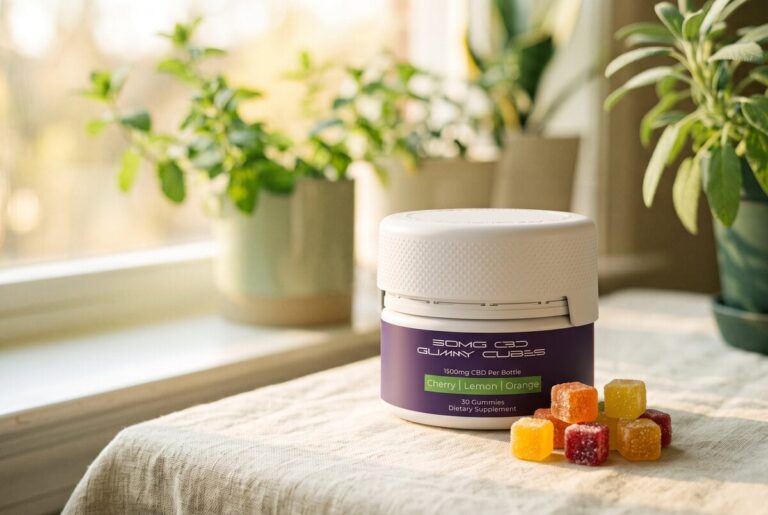
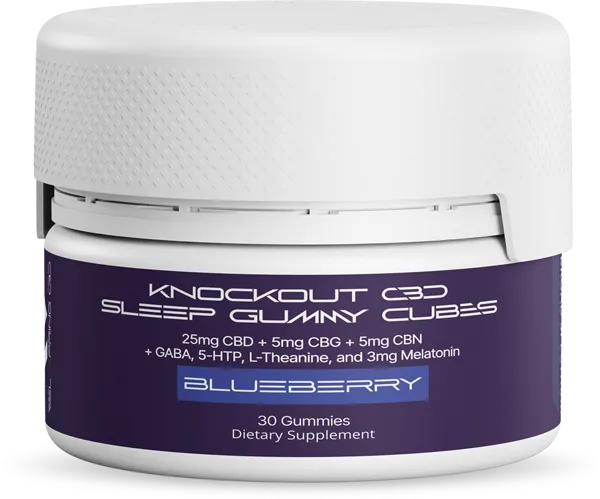
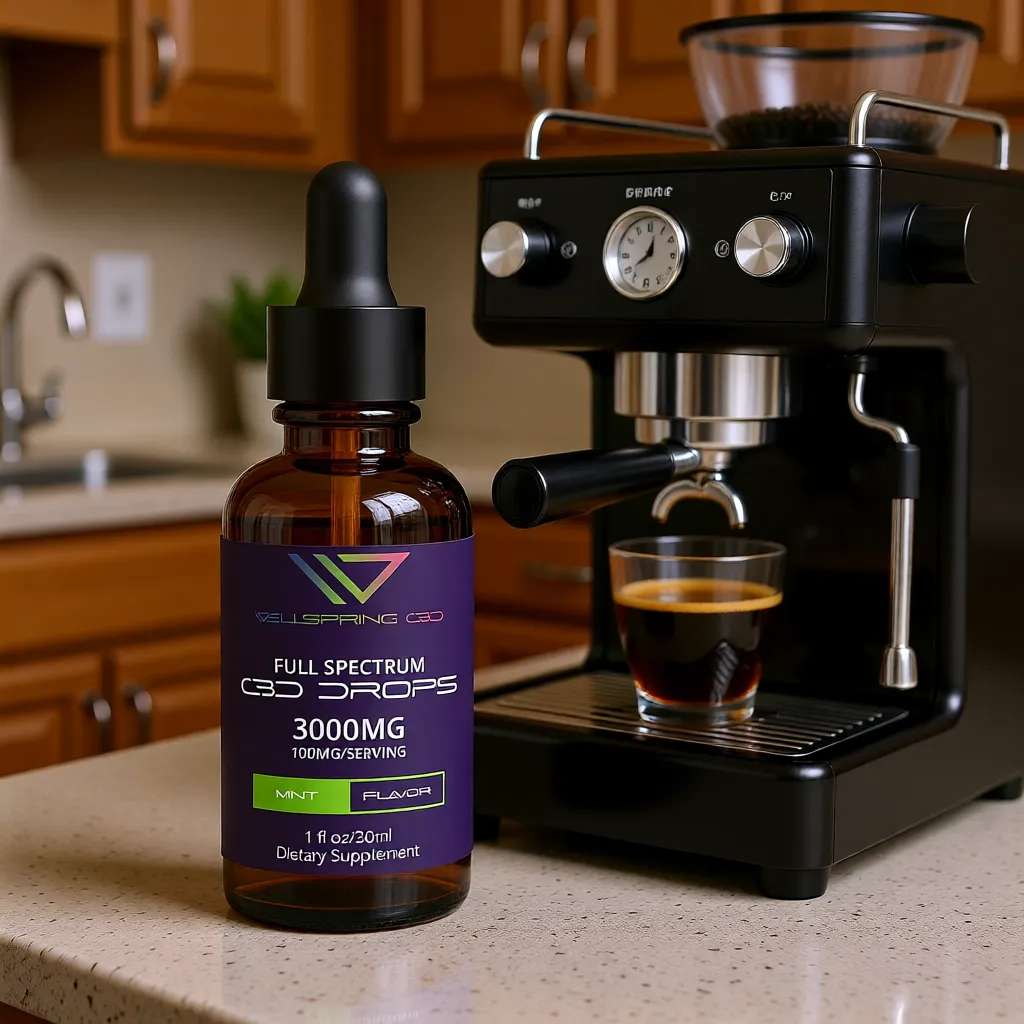
For individuals dealing with systemic or widespread discomfort, relying solely on a topical will yield limited results. Adding an ingestible product, like a tincture or gummy, helps prime the entire endocannabinoid system. When the ECS is balanced internally, the topical application becomes significantly more effective. The tincture manages the systemic inflammatory response, while the topical provides the targeted, site-specific relief needed for acute soreness or irritation.
Why a Dual-Approach Often Outperforms Single-Method Usage
The logic of a dual-approach is rooted in the body’s need for homeostasis. Internal CBD consumption helps regulate the body’s overall inflammatory markers and neurotransmitter balance. By contrast, a topical application acts as an emergency response team for a specific, distressed area. When used together, they provide a multi-layered defense strategy. Think of the ingestible as your foundational maintenance and the topical as your targeted intervention; this combined approach is the most efficient way to manage long-term discomfort and promote peak physical performance.
Final Thoughts
The world of CBD topicals is rapidly evolving, moving from experimental fads to evidence-based health tools. Throughout this guide, we have explored the foundational biology of the endocannabinoid system, the physics of how carriers drive cannabinoids into the skin, and the strategic importance of choosing the right formulation for your specific goals.
The most important takeaway for any user is that the skin is not a static shield; it is a highly responsive organ that can be supported through targeted, quality supplementation. Whether you are an athlete looking to speed up muscle recovery, an individual managing chronic joint stiffness, or someone looking for a new approach to dermatological health, the keys to success remain the same: consistency, product literacy, and an integrated wellness strategy.
As you navigate this market, remember to prioritize transparency. Always look for third-party lab results (Certificates of Analysis) to verify the potency and purity of your chosen product. Avoid products with vague labeling or excessive synthetic fillers. Instead, lean into formulas that utilize high-quality carrier oils, secondary botanicals, and a clear understanding of whether your needs call for a topical or transdermal application.
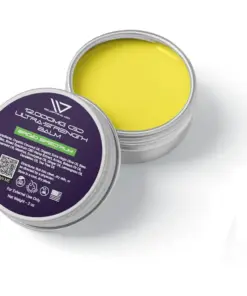
The future of CBD topicals lies in this combination of botanical wisdom and precise, scientific application. By moving from a “trial and error” approach to a deliberate, informed regimen, you can harness the true power of cannabinoids to support your health, comfort, and physical vitality. Start by assessing your primary area of concern, choose a formula that aligns with that need, and remain consistent in your application. In doing so, you are not just using a product; you are engaging in a sophisticated, science-backed approach to your own long-term well-being. Continue to monitor your results, adjust your dosage and type of product as needed, and enjoy the ongoing evolution of your personal recovery journey. Ultra strength cbd balm for pain relief offers a targeted solution for those struggling with chronic discomfort. This powerful formulation can penetrate deeply into the skin, providing localized support where it’s needed most. As you integrate this into your wellness routine, you’ll likely notice a significant improvement in your overall quality of life.
Jason Liss — Co-Founder & Chief Formulator
As a Co-Founder of Wellspring CBD, Jason has been an advocate and pioneer in the cannabis and hemp industries since 1996. Passionate about helping people achieve better health through unique natural supplements, Jason uses his decades of experience to guide readers toward effective wellness solutions.
In this guide
- 01 Understanding CBD Topicals: Why the Skin is a Unique Gateway to Wellness
- 02 The Science of Absorption: How CBD Penetrates the Skin Barrier
- 03 Choosing Your Formula: A Decision Matrix for Every Need
- 04 Beyond Cannabidiol: Why Secondary Ingredients Matter
- 05 Decoding the Label: Full-Spectrum, Broad-Spectrum, and Isolate
- 06 Practical Applications: How to Use CBD Topicals for Maximum Impact
- 07 The “Inside-Out” Strategy: Layering Topicals with Ingestibles
- 08 Final Thoughts
Scroll to read · tap a topic to jump

🌱 New Here? First Order
Take 40% Off Your First Order
Join the Wellspring Journal for honest CBD education — enter your name and email to unlock an exclusive first-order code. Instant, no spam, one-click unsubscribe.
🔒 Instant Code
🌿 Zero Spam
✉️ 1-Click Unsubscribe
🌴 90-Day Promise
Discussion