
🔒 Secure Checkout
·
90-Day Promise
·
Free Shipping $75+

🌱 Cannabinoids Explained
 · Co-Founder & Chief Formulator
Honest Guidance · Daily Routines · Plant Wellness
CBC vs CBD: Key Differences, Benefits, and Your Guide to Choosing the Right Cannabinoid
· Co-Founder & Chief Formulator
Introduction: Navigating the Cannabinoid Landscape
The world of wellness is buzzing with new compounds derived from the cannabis plant, each offering unique potential. Among the hundreds of identified cannabinoids, two non-intoxicating options have captured significant attention: Cannabidiol (CBD) and Cannabichromene (CBC).
While CBD has become a household name, CBC is rapidly emerging as a compound with distinct and powerful benefits. For many people seeking natural support, the choice can be confusing. This guide will demystify these two cannabinoids, exploring their differences, benefits, and how you can choose the right one to help with your wellness goals.
The Expanding World of Cannabinoids
The hemp plant is a rich source of over 100 different cannabinoids, chemical compounds that interact with our body’s internal systems. While THC (tetrahydrocannabinol) is known for its psychoactive effects, many others, like CBD and CBC, offer therapeutic potential without the “high.” As research expands, we are beginning to understand the specific properties of these minor cannabinoids and how they contribute to our health through various processes.
Why Understanding CBC and CBD Matters
Distinguishing between CBC and CBD is crucial for making informed health decisions. Each cannabinoid has a unique way of interacting with the body, leading to different potential outcomes. Understanding these nuances allows you to tailor your approach, whether you’re seeking relief from localized discomfort, support for your mood, or general wellness management. Knowing the difference empowers you to select products that align with your specific needs.
Understanding the Endocannabinoid System: Our Internal Regulator
To grasp how cannabinoids like CBC and CBD work, we must first look at the master regulatory network they interact with: the endocannabinoid system (ECS).
What are Cannabinoids?
Cannabinoids are a class of chemical compounds that act on cannabinoid receptors in the body. They can be produced internally by our own bodies (endocannabinoids), found in plants like hemp (phytocannabinoids), or created synthetically. CBC and CBD are both phytocannabinoids derived from the hemp plant.
The Endocannabinoid System (ECS) Explained
The endocannabinoid system is a complex cell-signaling network found throughout the human body. It plays a critical role in maintaining homeostasis, or internal balance, by regulating essential functions like mood, sleep, appetite, pain perception, and immune response. The ECS consists of endocannabinoids, receptors they bind to, and enzymes that break them down.
How Cannabinoids Interact with Your Body
Phytocannabinoids from the cannabis plant can influence the ECS by mimicking or augmenting the actions of our natural endocannabinoids. They interact with the system’s primary receptors—CB1 and CB2—and other non-ECS receptors like the vanillin receptors, helping to restore balance to various physiological processes. This interaction is the foundation of their therapeutic potential.
Meet the Contenders: Cannabichromene (CBC) Explained
Cannabichromene is one of the most abundant non-psychoactive cannabinoids found in the cannabis plant, yet it often flies under the radar compared to CBD.
What is CBC? Defining Cannabichromene
CBC, or Cannabichromene, is a powerful cannabinoid that was discovered over 50 years ago. It is considered one of the “big six” cannabinoids prominent in medical research but has only recently gained mainstream attention for its unique benefits.
The Origin and Precursors of CBC (e.g., CBGA, CBCA)
Like most cannabinoids, CBC originates from cannabigerolic acid (CBGA), often called the “mother cannabinoid.” Enzymes in the hemp plant convert CBGA into other acidic precursors, including cannabichromenic acid (CBCA). Through a process called decarboxylation (applying heat), CBCA transforms into the active CBC compound.
Unique Mechanisms of Action: How CBC Interacts with the Body
CBC’s primary mechanism is what sets it apart. Instead of binding strongly to CB1 or CB2 receptors, CBC shows a strong affinity for other key receptors in the body, notably TRPV1 and TRPA1. These receptors are deeply involved in regulating pain and inflammation pathways.
The Other Contender: Cannabidiol (CBD) Explained
Cannabidiol has become a cornerstone of the modern wellness industry, celebrated for its wide-ranging applications and robust safety profile.
What is CBD? Defining Cannabidiol
CBD, or Cannabidiol, is the second most prevalent cannabinoid found in the hemp plant. Its popularity stems from its extensive research and broad therapeutic benefits without inducing intoxication. The global CBD consumer health market is a testament to its acceptance, projected to reach approximately $77.48 billion by 2034.
The Origin and Precursors of CBD (e.g., CBGA, CBDa)
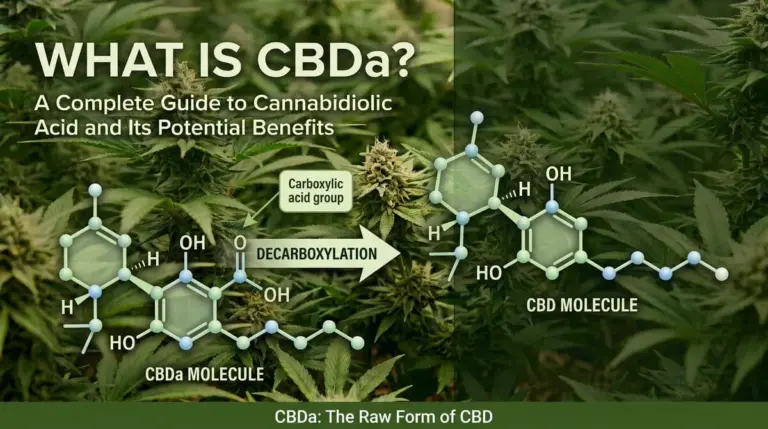
Similar to CBC, CBD also traces its roots back to CBGA. Specific plant enzymes convert CBGA into cannabidiolic acid (CBDa), the raw, acidic form of CBD. When heated, CBDa converts into the active CBD molecule that is used in tinctures, topicals, and other products.
Diverse Mechanisms of Action: How CBD Works
CBD’s influence is broad and indirect. It has a low affinity for CB1 and CB2 receptors but works by inhibiting the enzyme that breaks down anandamide, our body’s natural “bliss molecule,” thereby increasing its levels. It also interacts with other non-ECS receptors, such as serotonin and opioid receptors, contributing to its diverse effects on mood and comfort.
Key Differences: A Head-to-Head Comparison
While both are non-intoxicating cannabinoids from hemp, their core differences lie in their structure, how they interact with our bodies, and where current research is focused.
Chemical Structure and Origin
Both CBC and CBD share the same molecular formula but have different atomic arrangements. This slight structural variance is why they interact with different receptors and produce distinct effects. Both originate from CBGA but are synthesized through separate enzymatic pathways within the cannabis plant.
Receptor Interaction Profiles (e.g., CB1, TRPV1, 5-HT1A)
This is the most significant differentiator. CBC primarily targets TRP channels like TRPV1 and TRPA1, which are linked to pain and inflammation signals. In contrast, CBD interacts more broadly with systems like the 5-HT1A serotonin receptor, which influences mood and anxiety, and it indirectly boosts the endocannabinoid system.
Psychoactivity: Neither is Intoxicating (unlike tetrahydrocannabinol)
A crucial similarity is that neither CBC nor CBD is psychoactive. Unlike THC, they do not produce a “high” or sense of euphoria. This makes them appealing options for people seeking therapeutic benefits without cognitive impairment.
Current Research Focus and Scope
Research on CBD is far more extensive, with numerous studies and clinical trials exploring its application for a wide range of conditions. CBC research is still in its earlier stages but is rapidly gaining momentum, particularly in the areas of pain management and neuroprotection.
Legal Status and Availability
Both CBC and CBD derived from hemp (containing less than 0.3% THC) are federally legal in the United States. However, CBD products are far more widely available. CBC is often found in smaller concentrations within full-spectrum CBD oils or as a specialized isolate product.
The Potential Benefits of CBC: What Research Suggests
Emerging studies highlight CBC’s specialized potential, particularly in targeting inflammation, pain, and neurological health.
Anti-Inflammatory Properties (involving TRPV1 and TRPA1)
By interacting with TRPV1 and TRPA1 receptors, CBC may help modulate inflammatory responses directly at the source, offering targeted support for discomfort.
Analgesic (Pain Management) Potential
CBC’s interaction with pain-sensing receptors suggests it could be a powerful tool for pain management. A study by BayMedica found that formulations with both CBD and CBC led to clinically meaningful improvements in pain for 44.8% of participants.
Neuroprotection and Neurological Health
CBC has shown promise in promoting the viability of neural stem progenitor cells (NSPCs), which are essential for healthy brain function and repair. This points to its potential in supporting long-term neurological health.
Mood and Well-being Support
While less studied than CBD for mood, CBC’s interaction with the ECS may contribute to uplifting effects and support overall well-being.
Support for Skin Health and Management
CBC’s anti-inflammatory and oil-regulating properties make it a promising ingredient in topicals for managing skin conditions like acne.
Emerging Research: Anti-Tumor Properties and MRSA
Preliminary research has indicated CBC may have anti-proliferative effects in tumor studies and potent antibacterial properties, including against antibiotic-resistant bacteria like MRSA.
The Potential Benefits of CBD: A Broad Spectrum of Support
CBD is known for its versatility and its ability to provide systemic balance and support for a wide array of wellness goals. Ongoing studies suggest that consistent, daily CBD use may help with certain forms of chronic anxiety and mild insomnia, reinforcing its calming reputation. Its benefits include supporting relaxation, enhancing focus, and promoting healthy sleep cycles, making it a foundational element in many wellness routines.
Conclusion: Making an Informed Choice for Your Wellness
Choosing between CBC and CBD ultimately depends on your individual needs and wellness goals. While both are non-intoxicating cannabinoids derived from the hemp plant, their mechanisms of action lead to distinct benefits.
- Choose CBD for: Broad, systemic support for stress, anxiety, sleep, and overall wellness management. Its wide-ranging, indirect influence makes it an excellent foundational supplement.
- Choose CBC for: More targeted support related to pain and inflammation, thanks to its direct interaction with TRPV1 and TRPA1 receptors. It is also an exciting option for neurological and skin health, and mood improvement.
- Consider Both for the Entourage Effect: The most effective approach may not be choosing one over the other. Products that combine CBC and CBD, such as full-spectrum oils, leverage the “entourage effect,” where the cannabinoids work synergistically to produce enhanced benefits. This combined application can provide both the targeted action of CBC and the broad-spectrum balance of CBD.
As a next step, assess your primary wellness concerns. If you need general mood and sleep support, a high-quality CBD product is a great starting point. If localized pain is your main issue, look for a formula that explicitly includes CBC, whether in a tincture or a targeted topical application. By understanding their unique strengths, you can confidently navigate the cannabinoid landscape and find the right solution to help you thrive.
Jason Liss — Co-Founder & Chief Formulator
As a Co-Founder of Wellspring CBD, Jason has been an advocate and pioneer in the cannabis and hemp industries since 1996. Passionate about helping people achieve better health through unique natural supplements, Jason uses his decades of experience to guide readers toward effective wellness solutions.
In this guide
- 01 Introduction: Navigating the Cannabinoid Landscape
- 02 Understanding the Endocannabinoid System: Our Internal Regulator
- 03 Meet the Contenders: Cannabichromene (CBC) Explained
- 04 The Other Contender: Cannabidiol (CBD) Explained
- 05 Key Differences: A Head-to-Head Comparison
- 06 The Potential Benefits of CBC: What Research Suggests
- 07 The Potential Benefits of CBD: A Broad Spectrum of Support
- 08 Conclusion: Making an Informed Choice for Your Wellness
Scroll to read · tap a topic to jump


🌱 New Here? First Order
Take 40% Off Your First Order
Join the Wellspring Journal for honest CBD education — enter your name and email to unlock an exclusive first-order code. Instant, no spam, one-click unsubscribe.
🔒 Instant Code
🌿 Zero Spam
✉️ 1-Click Unsubscribe
🌴 90-Day Promise

Discussion