
🔒 Secure Checkout
·
90-Day Promise
·
Free Shipping $75+
🌱 CBD & Wellness Guides
 · Co-Founder & Chief Formulator
Honest Guidance · Daily Routines · Plant Wellness
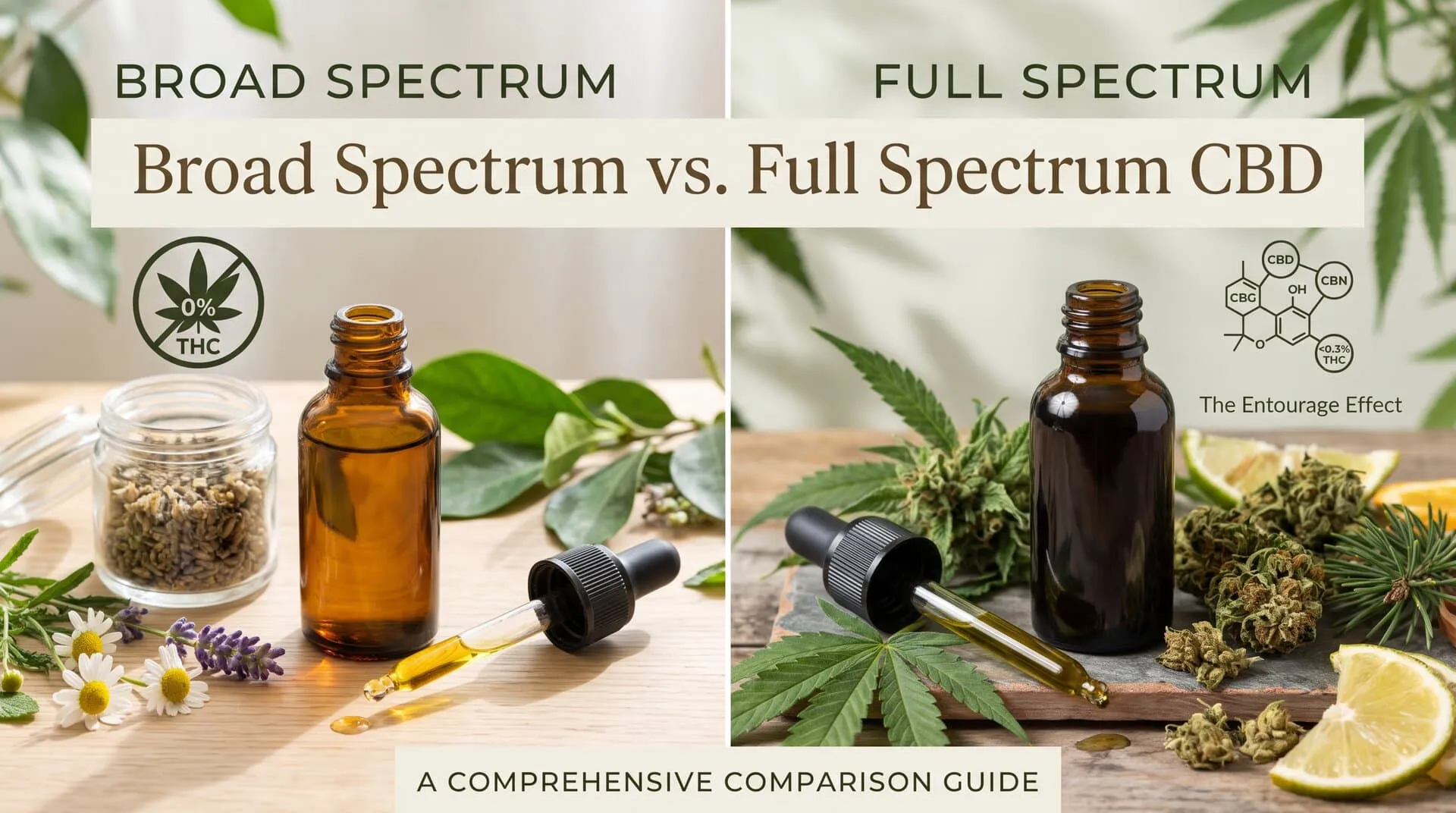
Broad Spectrum vs. Full Spectrum CBD: A Comprehensive Comparison Guide
· Co-Founder & Chief Formulator
Navigating the modern CBD landscape can feel overwhelming, especially when labels feature complex, technical terminology. Consumers are often confronted with the choice between full-spectrum, broad-spectrum, and isolate products, yet few understand the underlying chemical differences or why these variations significantly alter the user experience.
This guide serves as an authoritative resource designed to cut through the industry jargon, providing a transparent, science-backed framework for selecting the right hemp-derived product for your specific needs. By analyzing the chemistry of the hemp plant, the nuances of extraction methodologies, and the biological reality of how these compounds interact with your body, we will equip you with the knowledge to make informed, safe, and effective health decisions.
Understanding the CBD Spectrum: Why the Difference Matters
The term “spectrum” refers to the variety of compounds retained from the hemp plant after the extraction process. Because cannabis and hemp contain hundreds of unique molecules—ranging from cannabinoids like CBD and THC to aromatic terpenes and flavonoids—the way these are processed determines the final product’s character. Understanding these differences matters because your biological response is not uniform; different chemical profiles offer distinct therapeutic potentials.
Defining “Spectrum” in Cannabis Science
In technical terms, the “spectrum” defines the breadth of phytochemicals present in a cannabis extract. At one end, we find isolated molecules stripped of all plant matter; at the other, we find whole-plant extracts that mirror the raw, natural composition of the hemp flower. The designation of a product as “full-spectrum” or “broad-spectrum” is essentially a description of the “purity” versus the “complexity” of the extract. For the consumer, this spectrum represents a trade-off between the potential for a more comprehensive therapeutic benefit and the necessity of excluding specific cannabis compounds, such as THC, for occupational or personal safety.
The Role of the Hemp Plant in CBD Extraction
The hemp plant is a biological factory, producing a dense array of compounds within the trichomes—the tiny, resinous glands found primarily on the flowers. When manufacturers extract CBD, they are not just isolating a single molecule; they are attempting to harvest a complex mixture. The quality of the final oil depends heavily on how the hemp was grown, the harvest timing, and the specific extraction method used. Because hemp acts as a bioaccumulator, absorbing nutrients and chemicals from the soil, the integrity of the plant material itself is the foundational prerequisite for high-quality CBD products.
What is Full-Spectrum CBD?
Full-spectrum CBD is widely considered the “whole-plant” option. It contains the complete array of cannabinoids, terpenes, and flavonoids present in the original hemp material. By keeping the profile intact, these products aim to capture the full botanical potential of the plant.
The Full Cannabinoid Profile: THC, CBD, and Beyond
The hallmark of full-spectrum oil is the inclusion of the entire cannabinoid profile. This includes CBD, which is usually the dominant compound, but also minor cannabinoids like cannabigerol (CBG), cannabinol (CBN), and cannabichromene (CBC). Importantly, it also includes trace levels of tetrahydrocannabinol (THC). While the THC levels are legally restricted, their presence is intentional, as they play a central role in the symbiotic interaction known as the “entourage effect,” which researchers believe enhances the overall efficacy of the CBD.
The Inclusion of Terpenes and Flavonoids
Beyond cannabinoids, full-spectrum extracts retain the plant’s essential oils: terpenes and flavonoids. Terpenes are responsible for the distinct scent and flavor profiles of different hemp strains, but they also possess their own biological activity. For instance, myrcene is often associated with relaxation, while limonene may promote an uplifted mood. Flavonoids, meanwhile, are phytonutrients that act as antioxidants. When combined with cannabinoids, these compounds provide a synergistic profile that is far more nuanced than CBD alone.
Legal Limits: The 0.3% THC Threshold
Under the 2018 Farm Bill, hemp-derived products must contain less than 0.3% THC by dry weight to be considered federally legal in the United States. Full-spectrum CBD is manufactured to stay strictly within these levels. While this amount is generally not enough to induce a psychoactive “high” in most users, it is a critical consideration for those subject to regular drug testing, as trace amounts can occasionally accumulate in the body over time.
What is Broad-Spectrum CBD?
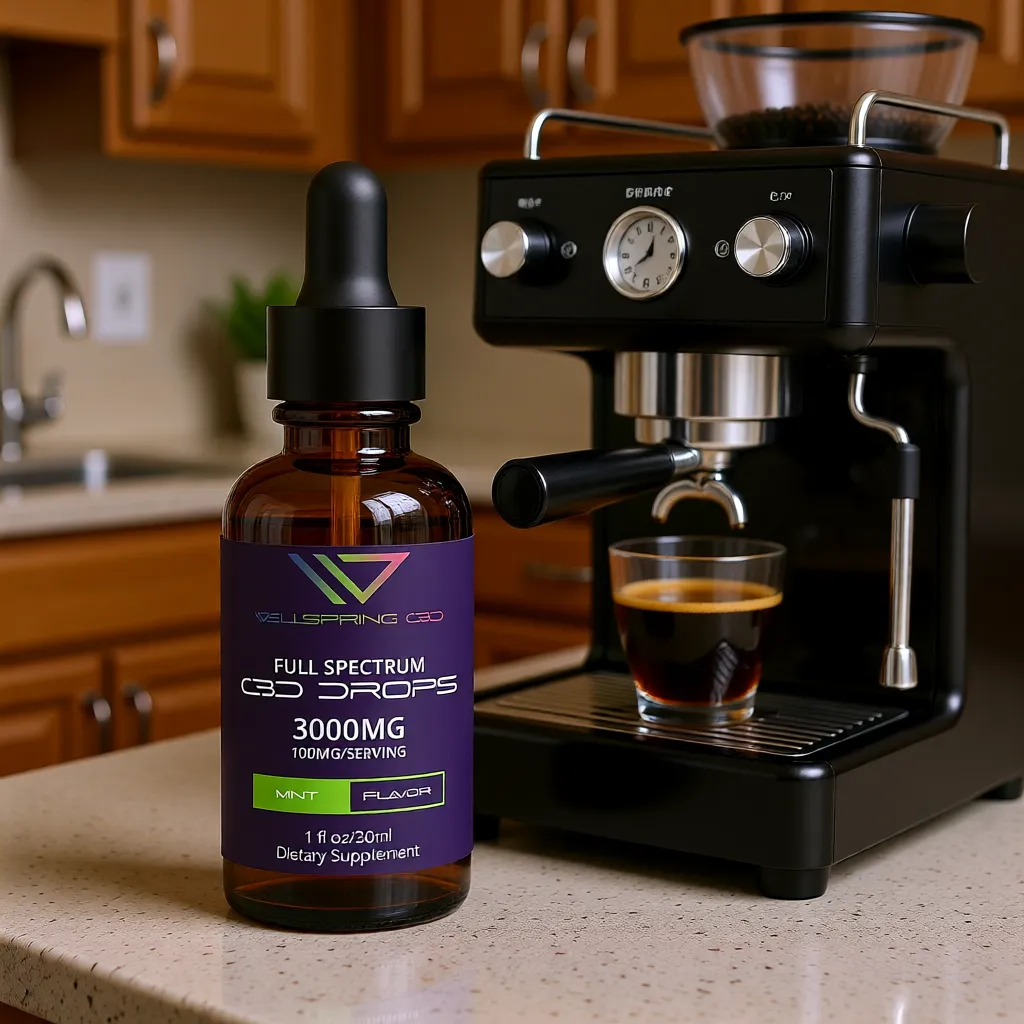
Broad-spectrum CBD occupies a middle ground. It is designed for those who want the potential benefits of the “entourage effect” but wish to avoid THC entirely. It is essentially a full-spectrum extract that has undergone an additional refinement step to strip away the THC while leaving the other minor cannabinoids and terpenes intact. For consumers seeking daily wellness without THC, sublingual CBD drops like our 1000mg broad spectrum CBD oil tincture or high-strength 3000mg broad spectrum CBD drops deliver these robust botanical compounds cleanly in organic MCT oil.
The Selective Extraction Process
Creating broad-spectrum extract requires precision. After the initial extraction of the plant material, scientists use techniques like chromatography to isolate and remove the THC molecule while carefully preserving the delicate profile of minor cannabinoids and aromatic compounds. This process is complex; if done poorly, it can destroy the very compounds it aims to protect, resulting in a product that loses its therapeutic complexity.
Why “Non-Detectable” THC is the Key Differentiator
The primary value proposition of broad-spectrum CBD is the “non-detectable” level of THC. For many professionals, athletes, or individuals sensitive to even trace amounts of psychoactive compounds, this is the safest route. By confirming through independent, ISO-certified third-party testing that THC is non-detectable (0.0% ND), manufacturers provide verifiable security. Consumers should always verify this by reviewing batch-specific third-party lab test certificates (COAs) before purchasing.
Retaining Additional Compounds for Synergy
Despite the removal of THC, high-quality broad-spectrum oil remains rich in secondary cannabinoids like CBC and CBN, as well as a range of terpenes. This allows the user to still benefit from a degree of botanical synergy. It is not as comprehensive as a full-spectrum extract, but it is substantially more effective for many users than a pure CBD isolate.
CBD Isolate: The Third Pillar of the Comparison
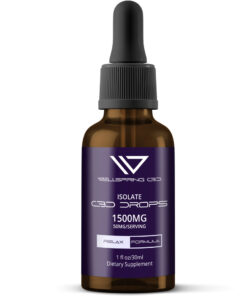
CBD isolate is the purest form of the cannabinoid, processed to remove all other plant compounds, including terpenes, flavonoids, and minor cannabinoids. It typically appears as a fine, white powder that is 99%+ pure CBD, such as pure CBD isolate powder, allowing users to measure exact milligram doses for custom beverages, topicals, or sublingual use without any earthy hempy taste or trace cannabinoids.
Pure Cannabidiol: Benefits and Limitations
The benefit of isolate is its predictability. Because it contains only one molecule, there is no risk of THC presence, and the dosage is highly consistent. However, the limitation is the total loss of the “entourage effect.” Without the supporting cast of secondary compounds, the therapeutic reach of isolate is often narrower, requiring higher dosages to achieve results that a smaller amount of full-spectrum oil might produce.
When Isolate is the Preferred Choice
Isolate is the ideal choice for individuals who require massive, precise doses of CBD or who work in roles where any trace of “whole-plant” compounds could be a legal or professional liability. It is also common in products like CBD-infused foods or beverages where the strong, earthy, or bitter taste of terpenes would be undesirable.
The Science of Synergy: Explaining the Entourage Effect
The “entourage effect” is the theory that the components of the cannabis plant work better together than they do in isolation. This concept suggests that cannabinoids, terpenes, and flavonoids form a biological partnership, where each compound modulates the effects of the others to produce a more balanced outcome.
How Cannabinoids Like Cannabichromene (CBC) and CBN Work Together
When cannabinoids are consumed together, they appear to influence how effectively CBD is absorbed and utilized by the endocannabinoid system. For example, CBC has been studied for its potential in anti-inflammatory support, while CBN is often cited for its sedative properties. By including these in a single product, the overall impact on the user’s wellness is theoretically more profound than if CBD were used alone.
The Role of Terpenes in Scent, Flavor, and Efficacy
Terpenes are not merely aromatic accessories; they are active biological agents. For instance, the terpene beta-caryophyllene interacts directly with the CB2 receptors of the endocannabinoid system, potentially aiding in pain management. By retaining these terpenes in a full-spectrum or broad-spectrum oil, the product carries more therapeutic utility than an isolate-based product.
Why Whole-Plant Extract Outperforms Single Compounds
Research indicates that the therapeutic window for whole-plant extracts is often broader. Because the human endocannabinoid system is complex and highly individualized, having a diverse range of botanical inputs allows for a more comprehensive interaction. The plant’s natural chemistry, when handled with care, provides a level of pharmacological versatility that synthetic or isolated single-compound products lack.
Choosing Your Spectrum: A Practical Decision Matrix
Selecting the right spectrum is a matter of matching your lifestyle and wellness goals with the product profile. Use the following guide to navigate your next purchase.
When to Choose Full-Spectrum (Maximum Therapeutic Reach)
Choose full-spectrum if:
- You are not subject to strict drug testing.
- You are looking for the most comprehensive, natural approach to wellness.
- You feel that isolate or broad-spectrum products have not yielded the results you need.
- You prefer a more “raw” or authentic botanical experience.
When to Choose Broad-Spectrum (The Safety Middle Ground)
Choose broad-spectrum if:
- You want the benefits of the entourage effect but require 0.0% THC.
- You are sensitive to THC or have concerns about potential psychoactive effects.
- You want a reliable, tested product that minimizes legal and employment risks.
Employment and Drug Testing: Assessing the Risk of Trace Amounts
It is essential to clarify that while full-spectrum products are federally legal, they contain trace amounts of THC. In rare cases, frequent or high-dose usage can lead to a positive result on a sensitive drug test. If your employment requires frequent screening, the safest approach is to stick exclusively to verified THC-free CBD options. To understand how drug screenings detect cannabinoids and how testing thresholds work, read our companion guide on THC-Free CBD and third-party lab testing methods.
Specific Symptom-Based Selection
Not every CBD product is equal in its application. Your choice of spectrum should reflect the specific health outcomes you are trying to achieve.
Best Spectrum for Chronic Pain and Inflammation
For chronic pain, full-spectrum is generally the gold standard. The synergy between CBD, minor cannabinoids like CBC, and terpenes like caryophyllene creates a potent anti-inflammatory profile. This combination is often more effective than CBD alone because it targets multiple pathways within the body’s pain-signaling system.
Managing Anxiety and Stress: Finding the Right Balance
Managing anxiety often benefits from the calming properties of the full terpene profile found in full-spectrum oil. Terpenes like linalool and limonene are frequently cited for their mood-modulating effects. However, for those who find that even trace amounts of THC exacerbate their anxiety, a high-quality broad-spectrum product containing calming minor cannabinoids can provide the desired relief without the potential for discomfort.
Relaxation and Sleep: The Power of Secondary Cannabinoids
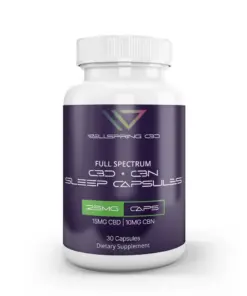
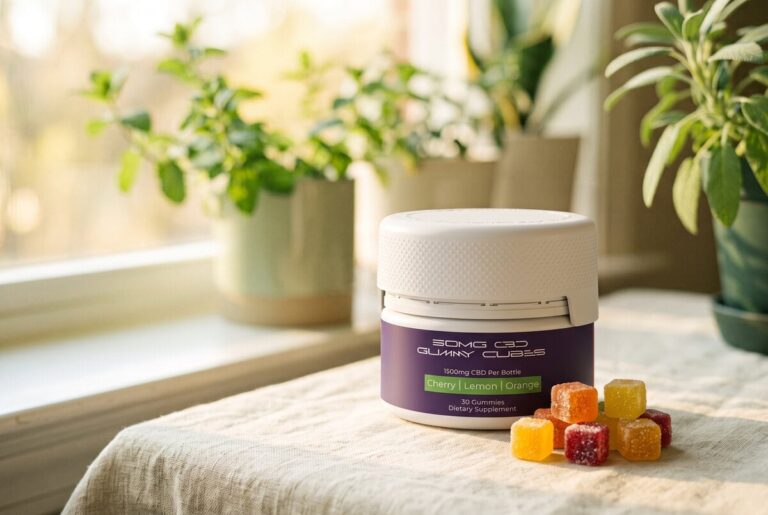
Sleep support often benefits from the inclusion of CBN and the unique terpene profile of the hemp plant. Many users find that a full-spectrum oil used before bed provides a more restful experience, likely due to the “sedative” profile of specific minor cannabinoids. If you are using CBD specifically for nighttime balance without THC, options like our 1500mg broad spectrum CBD gummies provide pre-measured 50mg servings infused with broad-spectrum hemp extracts to support restful recovery.
Extraction Methodology: How the Spectrum is Created
The quality of your CBD oil is only as good as the technology used to extract it. Poor extraction techniques can leave behind harmful solvent residues or destroy the delicate terpenes that make full-spectrum and broad-spectrum products effective.
CO2 Extraction: The Gold Standard for Purity
Supercritical CO2, or carbon dioxide extraction, is considered the industry gold standard. It uses pressurized carbon dioxide to pull cannabinoids and terpenes from the plant material in a clean, efficient, and non-toxic process. This method allows for precise control, enabling extractors to preserve the full integrity of the plant without the use of harsh chemical solvents.
Solvent Extraction vs. Steam Distillation
Other methods, such as solvent extraction (using ethanol or butane), can be effective but carry a risk of residual chemicals if not processed by professional-grade laboratories. Steam distillation is primarily used for essential oils and is often too delicate to capture the full range of cannabinoids. When evaluating a product, always look for documentation confirming CO2 extraction or clean, laboratory-tested solvent processes to ensure safety and potency.
Final Thoughts
The distinction between broad-spectrum, full-spectrum, and isolate is not merely a marketing label; it is a fundamental difference in chemical composition and biological potential. Full-spectrum CBD offers the most comprehensive cannabinoid profile, harnessing the natural synergy of the hemp plant for maximum therapeutic reach. Broad-spectrum provides an essential middle ground, offering the benefits of minor cannabinoids and terpenes without the risk associated with THC. Isolate remains a specialized, highly predictable option for those with specific requirements.
As you explore these options, prioritize transparency. Always demand a third-party Certificate of Analysis (COA) for any product you purchase. An honest, quality-focused brand will readily provide these documents, proving that their product contains the cannabinoids they claim and is free from contaminants like pesticides, heavy metals, or residual solvents.
Moving forward, your journey with CBD should be iterative. Start with a conservative dose, observe how your body responds to the specific spectrum you have chosen, and adjust as necessary. Remember that the “entourage effect” is a guide for what is theoretically possible, but your individual chemistry—your body’s unique endocannabinoid tone—will ultimately dictate what works best for you. Consultation with a healthcare provider is always recommended, especially if you are currently taking prescription medications, as CBD can interact with certain pharmaceuticals.
By combining this technical knowledge with a disciplined approach to product selection, you can navigate the CBD market with confidence, moving beyond the hype to find the specific wellness tool that supports your personal health journey. The power of the hemp plant lies in its complexity; take the time to understand that complexity, and you will unlock its full potential for your well-being.
🌿 Formulations in This Guide
Recommended Products for Your Routine
Organic US-grown hemp, batch Certificate of Analysis published on each page, backed by our 90-Day Money-Back Promise.
Jason Liss — Co-Founder & Chief Formulator
As a Co-Founder of Wellspring CBD, Jason has been an advocate and pioneer in the cannabis and hemp industries since 1996. Passionate about helping people achieve better health through unique natural supplements, Jason uses his decades of experience to guide readers toward effective wellness solutions.
In this guide
- 01 Understanding the CBD Spectrum: Why the Difference Matters
- 02 What is Full-Spectrum CBD?
- 03 What is Broad-Spectrum CBD?
- 04 CBD Isolate: The Third Pillar of the Comparison
- 05 The Science of Synergy: Explaining the Entourage Effect
- 06 Choosing Your Spectrum: A Practical Decision Matrix
- 07 Specific Symptom-Based Selection
- 08 Extraction Methodology: How the Spectrum is Created
- 09 Final Thoughts
Scroll to read · tap a topic to jump

🌱 New Here? First Order
Take 40% Off Your First Order
Join the Wellspring Journal for honest CBD education — enter your name and email to unlock an exclusive first-order code. Instant, no spam, one-click unsubscribe.
🔒 Instant Code
🌿 Zero Spam
✉️ 1-Click Unsubscribe
🌴 90-Day Promise
Discussion