
🔒 Secure Checkout
·
90-Day Promise
·
Free Shipping $75+
🌱 Cannabinoids Explained
 · Co-Founder & Chief Formulator
Honest Guidance · Daily Routines · Plant Wellness
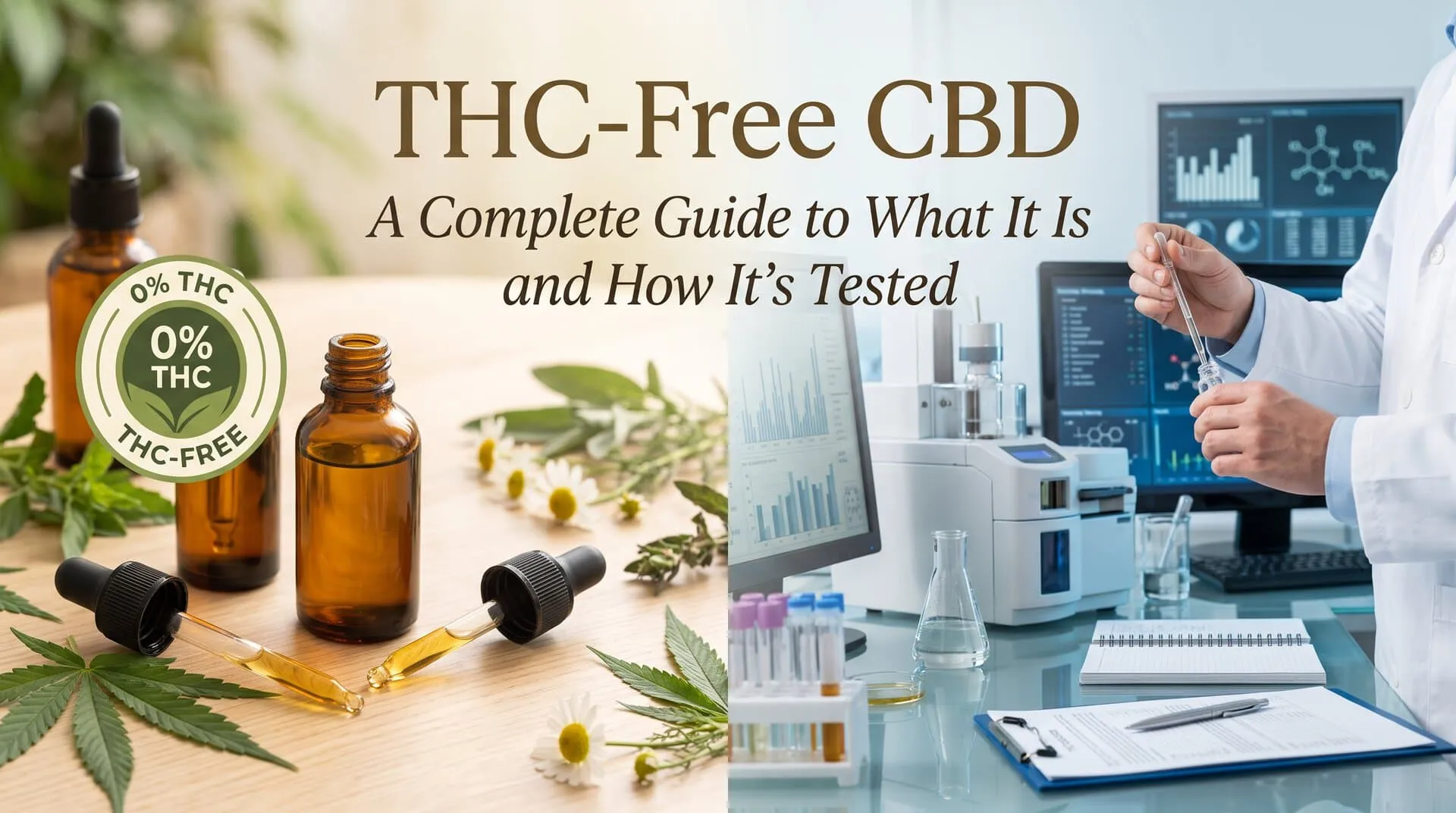
THC-Free CBD: A Complete Guide to What It Is and How It’s Tested
· Co-Founder & Chief Formulator
The landscape of wellness has shifted dramatically, with CBD emerging as a cornerstone of natural, plant-based support. However, for a growing segment of the population—including professional athletes, first responders, and individuals in high-stakes careers—the presence of even trace amounts of THC is a non-starter.
This guide serves as an authoritative resource, designed to demystify THC-free CBD. We will navigate the complexities of product forms, the rigorous scientific processes required to ensure purity, and the critical importance of third-party laboratory verification. By the end of this guide, you will possess the competency to interpret lab results and select products that align with your specific wellness needs and professional obligations.
Why Demand for THC-Free CBD is Surging
The market for hemp-derived products has exploded over the last decade, yet consumer sophistication is evolving just as quickly. While early adopters were often satisfied with general wellness claims, the current demographic is highly informed, risk-averse, and demanding of radical transparency.
Shifting Legislation and the Evolving Legal Definition of Hemp
The 2018 Farm Bill catalyzed the modern hemp industry by legalizing hemp and its extracts, provided they contain no more than 0.3% delta-9 THC by dry weight. This federal framework created the legal foundation for the broad availability of CBD. However, the legal definition of hemp acts as a baseline, not a guarantee of safety or performance for individual needs. As state-level regulations tighten and the intersection of cannabis law and workplace policy becomes more complex, the legal distinction between “hemp-derived” and “THC-free” has become a vital focal point for consumers who want the benefits of cannabinoids without the legal or employment-related risks associated with even minimal THC levels.
Catering to THC-Sensitive Consumers and High-Stakes Professions
For many people, the psychoactive effects of THC are undesirable, regardless of their legality. Some individuals experience heightened anxiety or cognitive fog when consuming products containing THC, even at the federal limit. Furthermore, those in high-stakes professions—such as pilots, law enforcement officers, and healthcare workers—are often subject to strict, zero-tolerance drug screening policies. For these individuals, the “trace amounts” found in full-spectrum products are not just a preference issue; they are a professional liability. The surge in demand for THC-free alternatives reflects a necessary market correction, providing a safe, reliable option for those who require the therapeutic benefits of the plant without the potential for systemic interference.
The “December Ban” and the Need for Industry Transparency
The regulatory environment has been further complicated by recent concerns over synthetic cannabinoids and shifting DEA perspectives, often colloquially referred to by industry insiders as the “December Ban” era of regulatory uncertainty regarding THC-O and other semi-synthetic compounds. This volatility has underscored the urgent need for industry transparency. Consumers can no longer rely on broad marketing claims; they need to know exactly what is in their bottle. This shift has forced reputable manufacturers to adopt more rigorous testing standards, moving toward a future where “THC-free” is a verified, scientifically proven claim rather than a mere marketing label.
Defining the Different Forms of THC-Free CBD
Understanding the terminology is the first step toward becoming an educated consumer. Not all CBD is created equal, and the manufacturing process dictates the final chemical profile of the product.
CBD Isolate: The Purest Form of Cannabidiol
CBD Isolate is the crystalline, powdered form of cannabidiol—such as pure CBD isolate powder—that has been processed to remove every other compound found in the original hemp plant. This includes other cannabinoids, terpenes, and flavonoids. Because it is 99%+ pure CBD, it is the most predictable form for those who want to avoid any possibility of secondary botanical interactions. For people who have experienced adverse reactions to trace cannabinoids or who simply want the most “clean” profile possible, isolate provides a straightforward, consistent experience.
Broad-Spectrum CBD: Retaining the Benefits of the Cannabis Plant
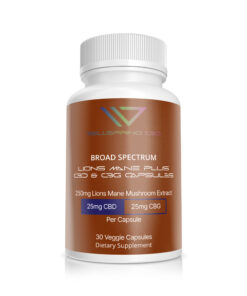
Broad-spectrum products are designed to offer a middle ground. As detailed in our comprehensive broad spectrum vs. full spectrum CBD comparison guide, they undergo a specialized refinement process that preserves a wide array of cannabinoids (such as CBG and CBN) and aromatic terpenes while specifically isolating and removing the THC. This allows users to benefit from the “entourage effect” without consuming THC. Explore our curated THC-free CBD catalog for verified 0.0% options.
Comparison Matrix: CBD Isolate vs. Broad-Spectrum vs. Full-Spectrum
| Feature | CBD Isolate | Broad-Spectrum | Full-Spectrum |
|---|---|---|---|
| THC Content | None (Non-detectable) | None (Non-detectable) | Up to 0.3% |
| Entourage Effect | No | Yes | Yes |
| Plant Compounds | CBD only | CBD + Terpenes/Minor Cannabinoids | CBD + All Plant Compounds |
| Best For | Extreme sensitivity/Testing | Targeted wellness + entourage | Traditional holistic use |
The Science of Refinement: How THC is Removed
The transformation of raw hemp oil into a THC-free product is a feat of modern chemistry. This process is what separates low-quality products from premium, high-purity options.
Initial Extraction: CO2 and Ethanol Methods
The process begins with extraction. Supercritical CO2 extraction is the industry gold standard, as it uses pressurized carbon dioxide to strip the cannabinoids and terpenes from the plant material without leaving behind harmful residues. Ethanol extraction is another common method, valued for its efficiency in capturing a wide spectrum of plant compounds. Both methods produce a crude oil that contains a full profile of the plant’s chemistry, including the undesired THC.
Winterization and Decarboxylation Processes
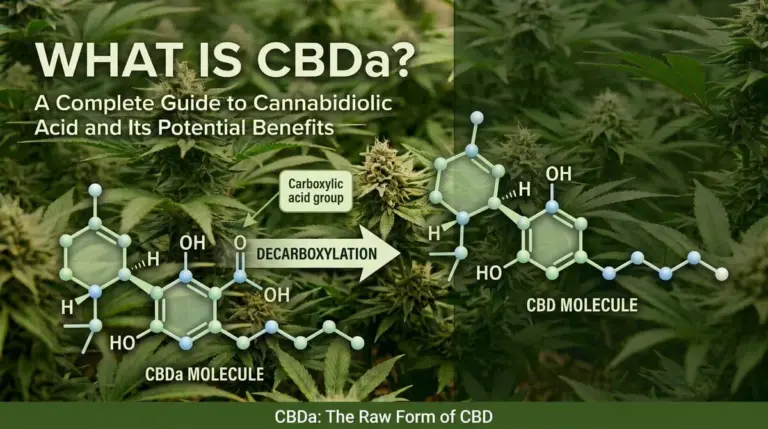
Once extracted, the crude oil must be refined. Winterization involves chilling the extract in alcohol to precipitate out fats, waxes, and lipids, which are then filtered away. Decarboxylation is the application of heat to activate the cannabinoids, converting compounds like CBDa into their more bioavailable form, CBD. These steps ensure that the base material is pure enough to undergo the final, most critical phase: chromatography.
Chromatography: The Key to Precision THC Removal
Chromatography is the scientific bedrock of THC-free products. Using techniques like high-performance liquid chromatography (HPLC) or column chromatography, technicians pass the hemp extract through a specialized medium. Because THC molecules have a slightly different chemical structure and affinity for the stationary phase than CBD, they can be separated with surgical precision. This is a complex, costly process that requires high-end equipment, which is why legitimate THC-free products often carry a price premium.
Preserving Secondary Cannabinoids (CBG, CBN) and Flavonoids
A significant challenge in chromatography is removing the THC without stripping away the beneficial minor cannabinoids and delicate terpenes. High-quality manufacturers use “fractional” separation to isolate THC specifically while retaining the chemical integrity of the rest of the profile. This preservation is what makes a high-end broad-spectrum product superior to a simple mixture of isolate and terpenes; it retains the natural, synergistic harmony of the original hemp extract.
Therapeutic Benefits: Can CBD Be Effective Without THC?
A common misconception is that CBD is ineffective without the presence of THC. Decades of research and millions of individual user experiences prove this to be false.
Addressing Chronic Pain and Inflammation
CBD functions primarily by interacting with the body’s endocannabinoid system (ECS), specifically by modulating the CB2 receptors associated with the immune system and inflammation. Whether you are using a broad-spectrum oil or a pure isolate, the CBD molecule is the primary driver of these anti-inflammatory effects. Clinical data suggest that CBD alone can be highly effective in managing chronic discomfort, particularly when dosed consistently and at levels tailored to the user’s specific physiological needs.
Managing Anxiety, Stress, and Sleep Disorders
For many people, the calming effects of CBD are felt independent of THC. In fact, for those who are prone to anxiety, THC can sometimes exacerbate the issue, making a THC-free option the superior choice. CBD is widely recognized for its ability to promote homeostasis, helping to regulate the nervous system’s response to stress and improving sleep quality by fostering a state of physical relaxation.
Understanding the Entourage Effect in Broad-Spectrum Products
The “entourage effect” is often touted as the primary advantage of full-spectrum products, but broad-spectrum extracts offer a similar benefit. By retaining terpenes like myrcene, limonene, and pinene alongside minor cannabinoids like cannabigerol (CBG), broad-spectrum products provide a rich, complex sensory and therapeutic profile. This “trio” of CBD, terpenes, and minor cannabinoids creates a more nuanced interaction with the ECS than a single isolated molecule could provide.
Why Some Users Prefer the Controlled Nature of Isolates
While the entourage effect is popular, there is a strong case to be made for the “controlled” nature of isolates. Because an isolate is a single compound, there is zero variability between batches regarding the minor cannabinoid profile. For people who are hypersensitive to specific plant compounds or who have a history of adverse reactions to complex botanical supplements, isolate provides a “clean slate” experience. It allows for precision dosing, where the user can introduce CBD to their system without any “noise” from other plant compounds.
Navigating the “Drug Test Anxiety”
The anxiety surrounding drug testing is a defining reality for many CBD users. It is essential to distinguish between scientific reality and marketing fear-mongering.
Trace Amounts vs. Zero THC: The Risk of a Positive Drug Test
Standard drug tests, particularly those used in employment, are designed to detect the presence of THC metabolites (specifically THC-COOH). While hemp products are legally required to contain less than 0.3% THC, the cumulative effect of daily, high-dose usage can, in rare instances, cause these metabolites to accumulate in the body’s fat cells to a level that triggers a false positive. This is why a “trace amount” is not the same as “non-detectable.” For total peace of mind, only products tested to a non-detectable level are truly suitable for those under strict screening.
Screening Tests vs. Confirmatory Testing (LC/MS)
Most initial drug screenings are immunoassay tests, which are prone to cross-reactivity. If an initial screen flags a sample, the gold standard for confirmation is Liquid Chromatography-Mass Spectrometry (LC/MS). This technology is vastly more precise and is capable of distinguishing between legitimate THC metabolites and other benign botanical compounds. However, the best strategy is to avoid the flag entirely by choosing products that have been verified via third-party lab testing as having zero detectable THC.
Why “Hemp-Derived” Doesn’t Always Mean THC-Free
A common trap is the assumption that because a product is “hemp-derived,” it is automatically THC-free. As noted, federal law permits up to 0.3% THC in hemp products. Marketing copy often highlights the “hemp-derived” nature to suggest safety, but the consumer must look at the certificate of analysis (COA) to confirm the specific THC level. Always verify the status of the product, not just the source material.
The Gold Standard of Quality: Third-Party Lab Testing
If a product does not have a current, easily accessible third-party COA, you should not purchase it. Period.
What Is a Certificate of Analysis (COA) and Why Is It Non-Negotiable?
A COA is an objective report from an independent, ISO-accredited laboratory. It verifies that the product inside the bottle is exactly what the label claims. It is the only way to ensure that the CBD content is accurate and that no illegal or harmful substances are present. Any company that refuses to provide a batch-specific COA is failing the most basic requirement of consumer safety. You can review all of our verified batch test results anytime in our transparent third-party lab test portal (COAs).
How to Read a COA: Beyond Just the THC Percentage
When you view a COA, look for the “Cannabinoid Profile.” Ensure that “THC” or “Delta-9 THC” is listed as “ND” (Non-Detectable) or “0.0%.” Furthermore, look at the testing date; a COA from three years ago is useless. The industry moves fast, and testing must be current for every individual batch produced.
Verifying Potency: “Label Math” and Marketing Claims
Sometimes, the potency listed on the bottle does not match the lab report. A simple bit of “label math” is required: look at the total milligrams of CBD per container on the COA and divide it by the total volume of the product (e.g., 30ml). If the result matches the concentration promised on the label, the manufacturer is being honest. If the lab report shows significantly less CBD than the label claims, you have identified a low-quality product.
Identifying Contaminants: Pesticides, Heavy Metals, and Residual Solvents
A robust COA goes beyond cannabinoids. A comprehensive test will include panels for heavy metals (lead, mercury, arsenic), pesticides, and residual solvents (leftover chemicals from the extraction process). Because hemp is a “bio-accumulator”—meaning it pulls toxins from the soil—these panels are vital. Never skip the review of the contaminant section of a COA; it is your best defense against long-term health risks.
Best Practices for Buying and Using THC-Free CBD
Armed with the knowledge of how products are made and tested, you are ready to make a confident purchase.
Choosing the Right Product: Oils, Gummies, Topicals, and Creams
The “best” form of CBD depends on your lifestyle and your specific goals.
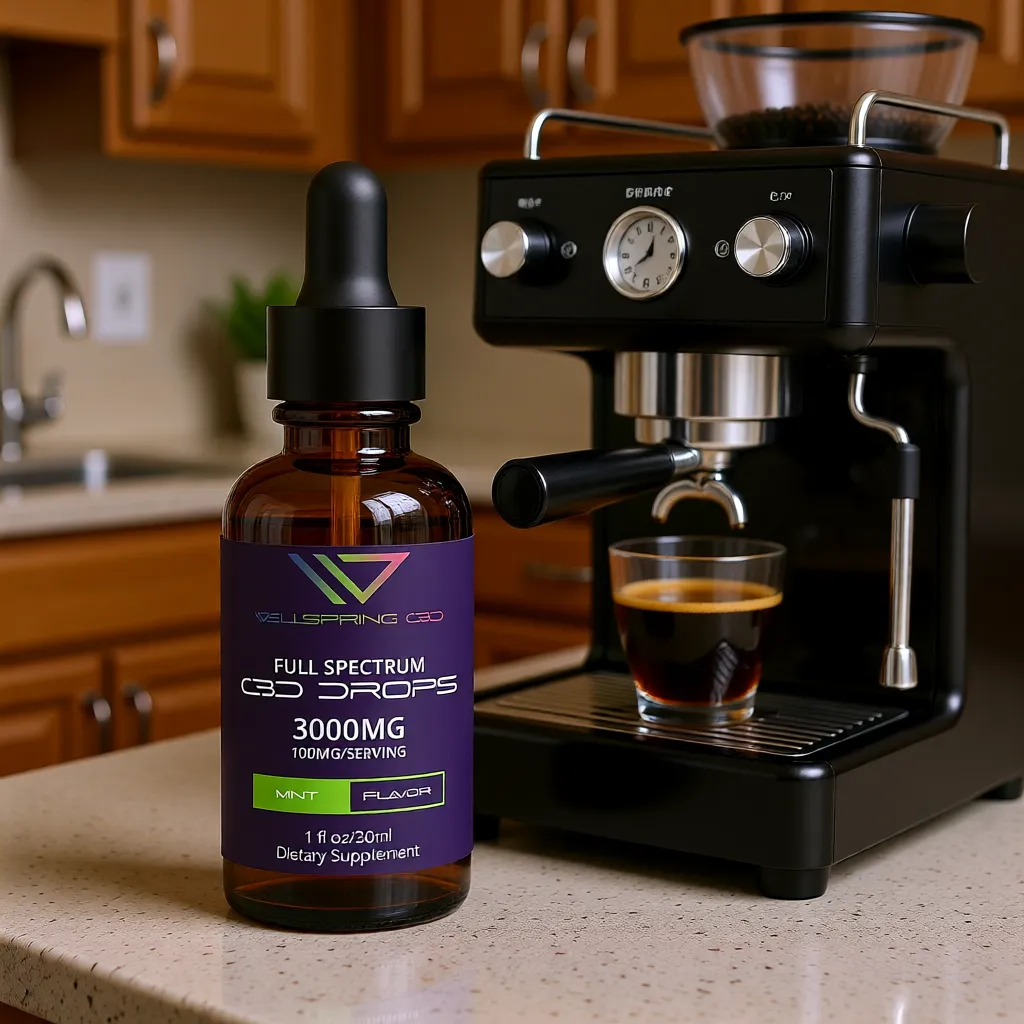
- Oils/Tinctures: Best for precise dosing and rapid absorption under the tongue, such as our foundational 1000mg broad spectrum CBD oil tincture or clinical-strength 3000mg broad spectrum drops.
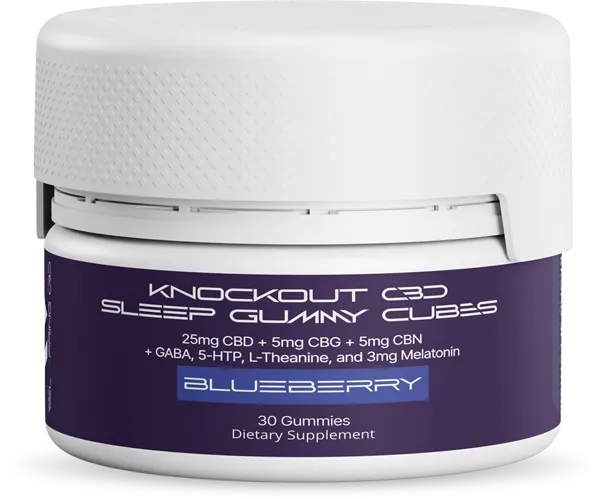
- Gummies: A convenient, palatable option for consistent daily maintenance, like our high-potency 1500mg broad spectrum CBD gummies (50mg per slice).
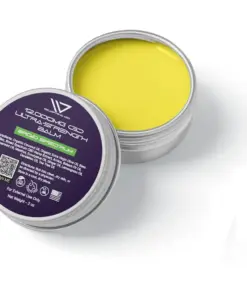
- Topicals and Creams: Ideal for localized, targeted relief of joints and muscles without the CBD ever entering the bloodstream. For people who are particularly worried about the “drug test” aspect, topicals are often considered the safest bet, as they are not designed for systemic absorption. However, if you are looking for systemic support, high-quality, third-party tested oils or gummies are perfectly safe as long as they are verified as non-detectable for THC.
Final Thoughts
The pursuit of wellness through hemp-derived cannabinoids has matured into a sophisticated, science-driven industry. THC-free CBD represents a vital segment of this market, offering a secure, predictable, and effective option for those who demand the highest standards of safety.
Throughout this guide, we have explored the evolution of the hemp industry, the intricate chromatography methods used to isolate specific cannabinoids, and the absolute necessity of third-party lab verification. The shift toward transparency is not just a consumer request—it is the baseline for the future of the industry.
As you move forward, remember these three core pillars of a smart purchase:
- Demand the COA: If it isn’t tested, don’t trust it. Always look for batch-specific results from an accredited third-party lab.
- Understand Your Needs: Choose between the targeted, singular experience of an isolate or the synergistic, botanical complexity of a broad-spectrum product.
- Prioritize Your Peace of Mind: Whether you are in a high-stakes profession or simply sensitive to the effects of THC, your wellness routine should be a source of stability, not a source of worry.
By internalizing the nuances of “non-detectable” versus “trace” levels and learning to navigate the specifics of potency and contaminant testing, you have moved from a casual consumer to an empowered advocate for your own health. The industry is currently in a state of rapid self-regulation; as a consumer, your buying power dictates the market. By choosing companies that prioritize honest, transparent testing, you help elevate the industry standards for everyone.
As we look toward the future, we anticipate more standardized federal testing requirements and increased consumer education. Until then, use the tools provided in this guide to protect your career, your health, and your peace of mind. Your wellness journey should be defined by the high quality of your choices, and with these insights, you can navigate the marketplace with complete confidence. Whether you are using topicals for muscle recovery or oils for daily stress management, ensure that your path is clear of unnecessary risk by choosing products that honor the science of purity. Stay informed, remain critical of claims that lack data, and continue to prioritize the rigorous standards that guarantee the efficacy and safety of your CBD experience.
🌿 Formulations in This Guide
Recommended Products for Your Routine
Organic US-grown hemp, batch Certificate of Analysis published on each page, backed by our 90-Day Money-Back Promise.
Jason Liss — Co-Founder & Chief Formulator
As a Co-Founder of Wellspring CBD, Jason has been an advocate and pioneer in the cannabis and hemp industries since 1996. Passionate about helping people achieve better health through unique natural supplements, Jason uses his decades of experience to guide readers toward effective wellness solutions.
In this guide
- 01 Why Demand for THC-Free CBD is Surging
- 02 Defining the Different Forms of THC-Free CBD
- 03 The Science of Refinement: How THC is Removed
- 04 Therapeutic Benefits: Can CBD Be Effective Without THC?
- 05 Navigating the “Drug Test Anxiety”
- 06 The Gold Standard of Quality: Third-Party Lab Testing
- 07 Best Practices for Buying and Using THC-Free CBD
- 08 Final Thoughts
Scroll to read · tap a topic to jump

🌱 New Here? First Order
Take 40% Off Your First Order
Join the Wellspring Journal for honest CBD education — enter your name and email to unlock an exclusive first-order code. Instant, no spam, one-click unsubscribe.
🔒 Instant Code
🌿 Zero Spam
✉️ 1-Click Unsubscribe
🌴 90-Day Promise
Discussion