
🔒 Secure Checkout
·
90-Day Promise
·
Free Shipping $75+
🌱 CBD & Wellness Guides
 · Co-Founder & Chief Formulator
Honest Guidance · Daily Routines · Plant Wellness
CBD vs. NSAIDs for Chronic Joint & Muscle Discomfort
· Co-Founder & Chief Formulator
For decades, the standard response to waking up with stiff knees, aching knuckles, or a strained lower back has been simple: reach into the medicine cabinet for non-steroidal anti-inflammatory drugs (NSAIDs) like ibuprofen or naproxen. In the United States alone, tens of millions of adults take over-the-counter NSAIDs every single day to maintain basic daily mobility.
However, prolonged reliance on synthetic pain relievers carries well-documented physiological costs. Chronic NSAID use is among the leading causes of drug-induced gastrointestinal ulcers, mucosal erosion, and renal stress. As public awareness of these side effects grows, consumers and clinicians alike are exploring botanical compounds capable of supporting joint and muscle comfort without damaging the digestive tract.
At the forefront of this shift is cannabidiol (CBD)—a non-intoxicating phytocannabinoid derived from clean industrial hemp. But how does CBD actually compare to conventional NSAIDs when evaluated under the microscope? Can a plant extract truly provide meaningful support for chronic physical tension, and what does clinical pharmacology tell us about using both approaches?
Below, we break down the molecular mechanisms, organ clearance profiles, clinical research, and daily application protocols that separate CBD from over-the-counter NSAIDs.
Understanding Non-Steroidal Anti-Inflammatory Drugs (NSAIDs)
To evaluate any alternative, we must first understand how non-steroidal anti-inflammatory drugs operate inside the human body. Over-the-counter medications such as ibuprofen (Advil, Motrin) and naproxen sodium (Aleve), as well as prescription options like celecoxib and meloxicam, belong to a shared pharmaceutical class designed to block the production of pro-inflammatory lipids called prostaglandins.
The Cyclooxygenase Pathway: COX-1 vs. COX-2
Prostaglandins are signaling molecules synthesized at sites of tissue damage and cellular stress. Their production is governed by two related cyclooxygenase enzymes:
- Cyclooxygenase-1 (COX-1): Known as the “housekeeping” enzyme. COX-1 is constitutively active throughout the body, particularly inside the stomach lining, kidneys, and blood platelets. It produces prostaglandins that protect gastric mucosa from harsh stomach acid, sustain healthy renal blood flow, and support blood clotting.
- Cyclooxygenase-2 (COX-2): An inducible enzyme activated primarily in response to physical trauma, cytokines, and cellular inflammation. COX-2 triggers localized swelling, heat, redness, and pain sensitivity in joint capsules and muscle fibers.
Traditional over-the-counter NSAIDs like ibuprofen are non-selective inhibitors. While they successfully block the COX-2 enzyme to quiet swelling and throbbing, they simultaneously shut down protective COX-1 enzymes throughout the digestive tract.
The Hidden Gastrointestinal Cost: NSAID Gastropathy
When COX-1 enzymes are inhibited over extended periods, the stomach loses its natural mucous shield. Stomach acid begins contacting epithelial tissue directly, causing microscopic irritation that can rapidly progress into chronic gastritis, bleeding erosions, and peptic ulcers.
According to clinical gastroenterology data published by the National Library of Medicine (NIH), up to 25% of chronic NSAID users develop gastrointestinal ulceration, with tens of thousands of hospitalizations recorded annually from silent gastrointestinal bleeding. Furthermore, systemic NSAID consumption places metabolic strain on renal filtration and carries FDA black-box warnings regarding elevated cardiovascular thrombotic risks during prolonged daily administration.
How CBD Modulates Inflammation Differently
Cannabidiol does not operate as an indiscriminate cyclooxygenase blocker. Instead, CBD interacts with the human Endocannabinoid System (ECS)—a vast regulatory network of cell receptors, endogenous ligands, and metabolic enzymes responsible for maintaining systemic homeostasis.
Unlike THC, CBD does not bind directly to CB1 receptors in the central nervous system, meaning it produces zero psychoactive intoxication or cognitive haze. Rather, CBD exerts its physical calming effects through a multifaceted series of peripheral receptor pathways:
1. Indirect Modulation of CB2 and Vanilloid (TRPV1) Receptors
While CB1 receptors predominate in the brain, CB2 receptors are heavily concentrated across immune cells, peripheral nerve endings, and synovial joint tissues. CBD acts as an allosteric modulator and indirect agonist, encouraging the body’s natural endocannabinoids (such as anandamide) to circulate longer by inhibiting the FAAH breakdown enzyme.
Simultaneously, CBD binds directly to Transient Receptor Potential Vanilloid 1 (TRPV1) ion channels. TRPV1 channels function as molecular thermometers responsible for sensing noxious heat and throbbing physical discomfort. By rapidly desensitizing hyperactive TRPV1 receptors, CBD helps dampen the transmission of irritation signals along peripheral sensory nerves.
2. Downregulation of Pro-Inflammatory Cytokines
Rather than merely suppressing enzyme output, preclinical molecular research demonstrates that CBD modulates the immune response at the genetic transcription level. A landmark study published in Cell Death & Disease (Nature) revealed that cannabidiol exerts targeted anti-inflammatory activity on rheumatoid synovial fibroblasts by downregulating key inflammatory cascades, including:
- Tumor Necrosis Factor-alpha (TNF-α)
- Interleukin-1 beta (IL-1β)
- Interleukin-6 (IL-6)
By discouraging excessive cytokine recruitment to stressed joint capsules, CBD helps maintain healthy cartilage and surrounding connective tissue without interfering with systemic coagulation.
3. Sparing the Gastric Mucosal Barrier
The most significant pharmacological distinction between CBD and traditional NSAIDs lies in digestive safety. CBD does not deplete the stomach’s protective prostaglandin shield. In fact, research exploring the endocannabinoid system in gastroenterology indicates that cannabinoid receptors play an active role in maintaining mucosal barrier integrity, as detailed in our guide on gut health and systemic inflammation.
Direct Comparison: CBD vs. Over-the-Counter NSAIDs
To understand where each option fits into a wellness routine, consider how their core characteristics compare side-by-side:
| Feature / Metric | Conventional NSAIDs (Ibuprofen / Naproxen) | Cannabidiol (CBD) Formulations |
|---|---|---|
| Primary Mechanism | Non-selective COX-1 & COX-2 enzyme inhibition | ECS modulation, TRPV1 desensitization, cytokine regulation |
| Typical Onset Time | 30 to 60 minutes after oral ingestion | 15–20 minutes (high-potency topical); 20–30 minutes (sublingual drops) |
| Gastrointestinal Impact | High risk of mucosal erosion, acid reflux, gastritis, and peptic ulcers | Neutral or protective; does not inhibit stomach-lining prostaglandins |
| Organ Clearance | Filtered through kidneys and liver; renal clearance stress | Metabolized by liver cytochrome P450 pathway; no renal toxicity |
| Cardiovascular Profile | Documented warnings regarding blood pressure elevation and clotting risks | Neutral cardiovascular profile; supports vasorelaxation and calm |
| Tolerance & Daily Safety | Intended for short-term use (≤10 consecutive days without doctor oversight) | Well-tolerated for sustained daily preventative maintenance |
| Localized Application | Topical NSAID gels exist (e.g., Voltaren) but can still absorb systemically | Transdermal balms deliver dense localized saturation with zero gastric load |
| Optimal Use Case | Acute dental emergencies, fevers, sudden post-operative swelling | Chronic morning joint stiffness, muscular tightness, daily mobility |
What the Clinical Research Shows
The transition from lab benches to patient outcomes has accelerated dramatically over the past five years, providing compelling real-world evidence for cannabinoid therapy in joint wellness.
The 2022 Cross-Sectional Arthritis Study (PubMed Central)
In an extensive clinical survey published in PubMed Central (PMC9400326), researchers evaluated the self-reported efficacy and medication changes among adults utilizing cannabidiol for chronic joint and muscular discomfort:
- 83.0% of participants reported measurable improvements in physical comfort and daily mobility.
- 66.0% reported improved sleep quality and reduced nighttime waking caused by physical aches.
- Over 50% of participants reported that introducing high-quality CBD enabled them to reduce or completely discontinue other medications, specifically including oral NSAIDs, acetaminophen, and prescription analgesics.
Participants noted that while synthetic pills offered rapid temporary numbing, high-potency CBD formulations provided smoother, sustained ease throughout the day without the gastrointestinal burning or sluggishness frequently associated with pain relievers.
The Arthritis Foundation Guidance
Recognizing widespread consumer adoption, the Arthritis Foundation issued clinical guidance acknowledging that CBD may offer natural support for joint discomfort, physical stiffness, and restorative sleep. Their panel emphasized three critical recommendations for patients:
- Always choose laboratory-verified formulations with comprehensive third-party Certificates of Analysis (COAs) confirming 0.0% THC and zero residual pesticides.
- Consider topical application directly over symptomatic joints to achieve rapid localized absorption.
- Keep personal physicians informed when coordinating cannabinoid routines alongside existing prescription therapies.
The Dual Protocol: Targeted Topical Saturation + Sublingual Therapy
One common mistake individuals make when evaluating CBD as an alternative to ibuprofen is expecting a weak, low-concentration gummy or grocery-store cream to overcome years of chronic joint wear.
Swallowed edibles must survive the aggressive digestive tract and first-pass hepatic metabolism, resulting in modest oral bioavailability. Conversely, a topical lotion with only 250mg or 500mg of CBD lacks the molecular density required to penetrate past epidermal layers into fibrous joint capsules.
To achieve results comparable or superior to over-the-counter pain relievers, experienced formulators recommend a Dual-Route Protocol that addresses physical discomfort from two complementary angles:
| Protocol Stage | Primary Mechanism | Onset & Duration | Optimal Formulation |
|---|---|---|---|
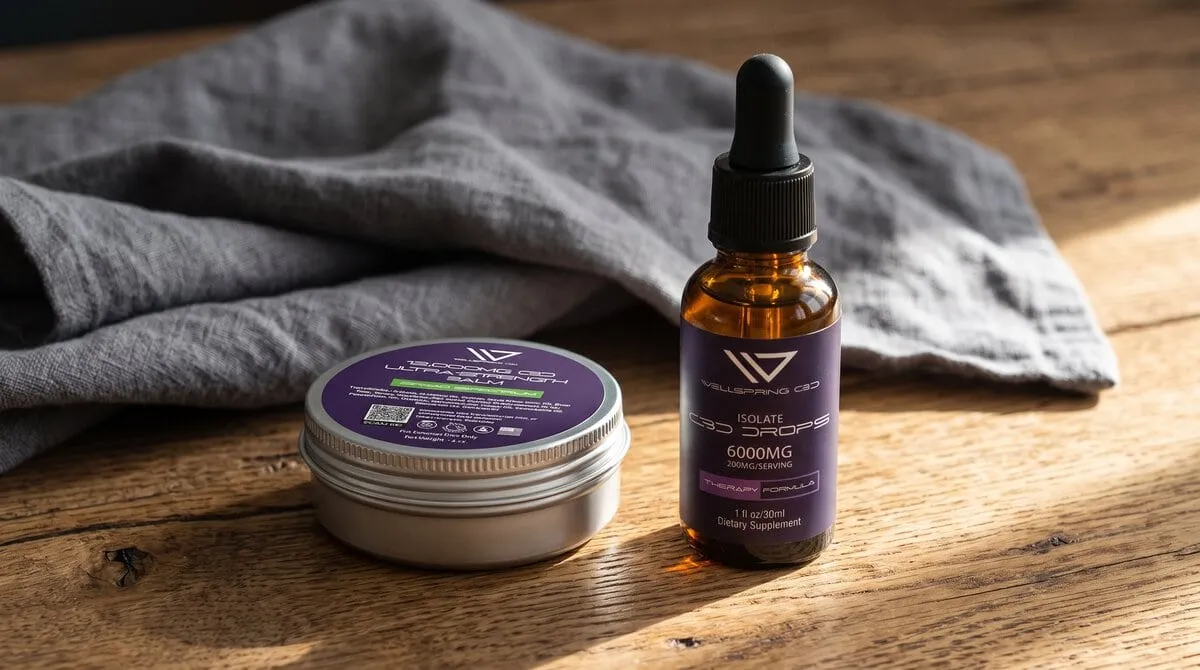
| Route 1: Outside-In (Targeted Topical) | Localized transdermal saturation; calms peripheral CB2 and TRPV1 receptors directly in joint capsules | 10–15 minutes onset; 4–6 hours localized comfort | ultra strength topical CBD balm (6,000 mg/oz density in 2 oz jar) |
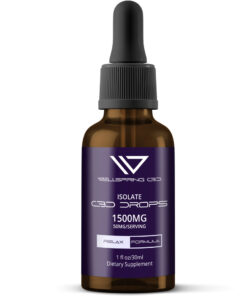
| Route 2: Inside-Out (Systemic Sublingual) | Vascular sublingual absorption; sustains baseline endocannabinoid tone across all muscle groups | 20–30 minutes onset; 6–8 hours systemic balance | CBD isolate therapy formulation drops (0.0% THC sublingual oil) |
Why Single-Route Approaches Often Fall Short
Most people who try CBD for joint discomfort make one of two common mistakes:
- Relying solely on swallowed edibles: Gummy squares and swallowed capsules must pass through stomach acid and first-pass liver metabolism. By the time active cannabinoids circulate, only a fraction reaches peripheral joint tissue, taking up to 90 minutes to produce mild effects.
- Using diluted, low-potency lotions: Drugstore lotions containing only 250mg to 500mg of CBD across a 4-ounce bottle lack the molecular concentration required to penetrate past outer epidermal barriers into dense connective tissue.
The dual protocol solves both issues by pairing immediate localized action with continuous systemic support.
Route 1: Outside-In (Targeted Transdermal Relief)
When a knee, knuckle, or lower back throbs after physical exertion, applying a high-concentration topical directly over the flare-up bypasses the digestive tract completely. Transdermal cannabinoids permeate the stratum corneum to saturate localized peripheral nerve endings and CB2 receptors within minutes.
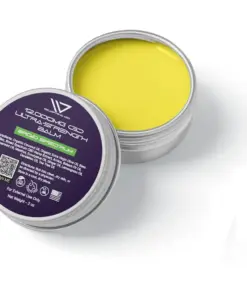
Molecular density is the decisive factor. As outlined in our CBD topical potency guide, our concentrated ultra strength topical CBD balm packs an unmatched 6,000 mg of broad spectrum CBD per ounce (12,000mg total in a compact 2-ounce jar). Formulated with natural botanical penetrants—organic arnica montana, cooling menthol, and eucalyptus—this formula delivers fast sensory ease without any gastric acid rebound. For optimal application techniques, see our guide on how to apply CBD topicals.
Route 2: Inside-Out (Systemic Endocannabinoid Tone)
While topical balms handle localized aches, sublingual drops provide systemic balance across your entire musculoskeletal frame. Holding calibrated drops under the tongue for 60 to 90 seconds allows active cannabinoids to enter sublingual microcapillaries directly, avoiding digestive degradation.
For individuals who want dependable daily support without THC exposure or workplace drug-testing concerns, our CBD isolate therapy formulation drops deliver certified 0.0% THC purity suspended in organic coconut MCT oil. For broader routine pairings, explore our complete joint and muscle recovery collection.
How to Safely Transition or Combine CBD with Existing Routines
If you currently rely on ibuprofen or prescription anti-inflammatories, transitioning to plant-based recovery requires patience and thoughtful coordination.
1. Never Abruptly Stop Prescription Regimens
Over-the-counter ibuprofen can typically be adjusted day-to-day based on comfort levels. However, if you are taking prescription-strength NSAIDs, corticosteroids, or blood thinners under a physician’s care, never discontinue treatment abruptly. Always discuss your wellness goals with your healthcare provider to establish a safe tapering plan.
2. Mind the Cytochrome P450 Enzyme Window
Like many pharmaceuticals, both CBD and certain prescription anti-inflammatories are processed in the liver by the cytochrome P450 (CYP450) enzyme family—particularly CYP3A4 and CYP2C9. When taken simultaneously at high oral doses, CBD can temporarily compete for enzyme binding sites, slowing down the metabolism of other medications.
To avoid pharmacokinetic competition, follow the 2-Hour Rule: space oral sublingual drops at least two hours apart from any prescription medication. Notably, transdermal topical balms act locally and do not circulate systemically in quantities sufficient to interact with liver enzymes.
3. Commit to Consistent Baseline Dosing
NSAIDs work like a temporary chemical off-switch; when the drug clears your bloodstream in four to six hours, inflammation frequently rebounds. Cannabinoids operate via cumulative balance. While topical balms deliver rapid sensory cooling within 15 minutes, sublingual drops work best when taken consistently every morning for at least 7 to 14 days, allowing endocannabinoid tone to stabilize across your nervous system.
Frequently Asked Questions
Can I take CBD and ibuprofen at the same time?
For occasional breakthrough discomfort, low-dose CBD and ibuprofen are generally well-tolerated together under medical guidance. However, because both compounds can interact with liver enzymes, it is best to separate oral intake by 2 to 3 hours. Alternatively, pairing an oral NSAID with a localized topical CBD balm carries virtually zero risk of metabolic interaction.
How quickly does topical CBD balm work compared to oral pills?
A high-potency topical balm enriched with botanical penetrants begins absorbing into dermal layers within 5 to 10 minutes, delivering perceptible cooling relief to tense muscles and stiff joints in 15 to 20 minutes. By comparison, oral ibuprofen pills must dissolve in the stomach and pass through the liver, typically requiring 30 to 60 minutes to take effect.
Will CBD cause stomach ulcers or acid reflux?
No. Unlike NSAIDs, cannabidiol does not inhibit the gastroprotective COX-1 enzyme, nor does it erode the stomach lining. Clinical studies indicate that cannabinoid receptor activation within the digestive tract supports gut mucosal barrier integrity and helps calm physical tension throughout the enteric nervous system.
Does using CBD for joint pain cause positive drug tests?
True broad spectrum formulations and pure CBD isolates contain non-detectable levels of THC (0.0% THC). However, full-spectrum hemp extracts retain legal trace amounts of Delta-9 THC (under 0.3%), which can accumulate over time and potentially trigger workplace immunoassay screens. If your career requires strict drug testing, choose certified 0.0% THC products backed by third-party ISO 17025 lab reports confirming zero THC content.
The Wellspring Standard of Care
Since 2013, Wellspring CBD has formulated pure, research-backed hemp solutions in Cheyenne, Wyoming with an unwavering commitment to ingredient transparency. We do not take shortcuts with white-label mass fillers or exaggerated marketing claims. Every batch of our topicals and tinctures undergoes independent third-party laboratory verification for potency, purity, and safety.
If you are tired of the stomach burn, acid rebound, and health warnings associated with daily ibuprofen use, your body deserves a cleaner botanical path. Explore our third-party verified topical balms and targeted sublingual tinctures today, backed by our 90-Day Satisfaction Promise.
🌿 Formulations in This Guide
Recommended Products for Your Routine
Organic US-grown hemp, batch Certificate of Analysis published on each page, backed by our 90-Day Money-Back Promise.
Jason Liss — Co-Founder & Chief Formulator
As a Co-Founder of Wellspring CBD, Jason has been an advocate and pioneer in the cannabis and hemp industries since 1996. Passionate about helping people achieve better health through unique natural supplements, Jason uses his decades of experience to guide readers toward effective wellness solutions.
In this guide
- 01 Understanding Non-Steroidal Anti-Inflammatory Drugs (NSAIDs)
- 02 How CBD Modulates Inflammation Differently
- 03 Direct Comparison: CBD vs. Over-the-Counter NSAIDs
- 04 What the Clinical Research Shows
- 05 The Dual Protocol: Targeted Topical Saturation + Sublingual Therapy
- 06 How to Safely Transition or Combine CBD with Existing Routines
- 07 Frequently Asked Questions
- 08 The Wellspring Standard of Care
Scroll to read · tap a topic to jump


🌱 New Here? First Order
Take 40% Off Your First Order
Join the Wellspring Journal for honest CBD education — enter your name and email to unlock an exclusive first-order code. Instant, no spam, one-click unsubscribe.
🔒 Instant Code
🌿 Zero Spam
✉️ 1-Click Unsubscribe
🌴 90-Day Promise
Discussion