
🔒 Secure Checkout
·
90-Day Promise
·
Free Shipping $75+
🌱 Cannabinoids Explained
 · Co-Founder & Chief Formulator
Honest Guidance · Daily Routines · Plant Wellness
What Is CBG? The Ultimate Guide to Cannabigerol and Its Benefits
· Co-Founder & Chief Formulator
Cannabigerol, widely known as CBG, has emerged from the shadow of more famous cannabinoids to claim its place as a cornerstone of the modern wellness landscape. Often described as the “Mother of All Cannabinoids,” this unique compound represents the chemical foundation from which almost all other cannabinoids in the cannabis plant originate.
While Cannabidiol (CBD) and Tetrahydrocannabinol (THC) have dominated the public conversation for decades, CBG is increasingly recognized for its distinct interaction with the human body and its potential to enhance therapeutic protocols. This guide serves as your comprehensive masterclass in understanding the science, utility, and strategic application of Cannabigerol. We will explore how it fits into the endocannabinoid system, how it compares to its chemical cousins, and how you can implement specific, science-backed protocols to leverage its unique effects for focus, recovery, and balance.
Understanding the “Mother of All Cannabinoids”: What is CBG?
At its core, Cannabigerol is a non-psychoactive cannabinoid found in both hemp and cannabis plants. Unlike the high-profile cannabinoids that are produced in abundance as a plant matures, CBG is present in only trace amounts in most mature flower. It acts as the chemical precursor to the primary compounds consumers are familiar with, serving as the biological “parent” for the entire cannabinoid profile of the plant.
From CBGA to CBD: The Biosynthesis Process
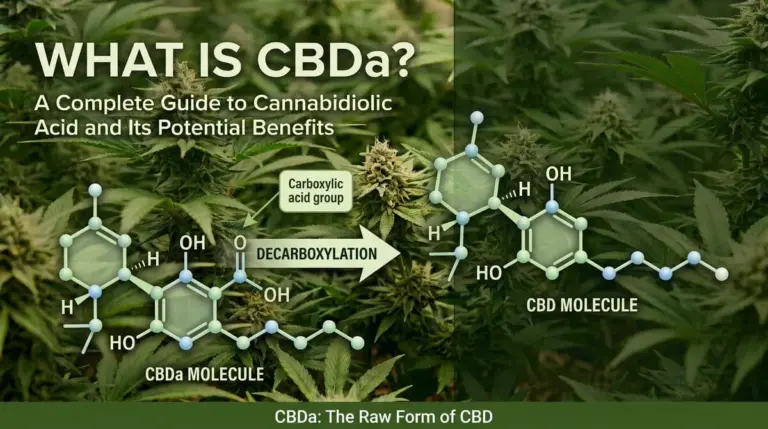
To understand CBG, one must look at the plant’s internal chemistry. Every cannabis plant begins its life by synthesizing Cannabigerolic Acid (CBGA). This substance is the master molecule. Through the action of specific enzymes, CBGA is converted into the three primary cannabinoid precursor acids: THCA (Tetrahydrocannabinolic acid), CBDA (Cannabidiolic acid), and CBCA (Cannabichromenic acid).
As the plant matures, these precursors eventually decarboxylate—often through heat or exposure to UV light—to become the active compounds we know: THC, CBD, and CBC. Because the plant naturally “uses up” its CBGA supply to create these other compounds, high-quality CBG is rarely available in high concentrations at the time of harvest. The plant essentially strips itself of CBG to produce the rest of its chemical profile.
Why is CBG More Rare (and Expensive) Than CBD?
The rarity of CBG is a direct result of this biosynthesis cycle. Because most of the CBGA in a plant is converted into other cannabinoids, a mature hemp or cannabis plant typically contains less than 1% CBG by weight. To produce a potent CBG extract, cultivators must either harvest the plants at an extremely early stage of development—before the CBGA has been converted—or utilize advanced genetic breeding to produce strains that remain high in CBG throughout the maturation process. Both methods are resource-intensive and yield significantly less biomass than traditional CBD-focused hemp production. This scarcity is the primary driver behind the higher price point for premium CBG isolates, tinctures, and specialized extracts.
The Science of Feel: How CBG Interacts with Your Body
What makes CBG stand out in the saturated market of hemp-derived supplements is not just its scarcity, but its unique mechanism of action. While other compounds often act as agonists—meaning they “turn on” certain receptors—CBG often acts as a modulator, working in a more complex fashion to influence how your body handles its own internal chemistry.
CBG and the Endocannabinoid System (ECS)
The endocannabinoid system is a vast network of receptors found throughout your brain, nervous system, and immune system, responsible for maintaining homeostasis—or internal balance—in the face of external stressors. CBG interacts with this system differently than CBD. While CBD is known to have a low affinity for the cannabinoid receptors, CBG binds directly to both CB1 and CB2 receptors. By interacting with these receptors, CBG can influence the signaling pathways that dictate inflammation, mood, and pain perception, effectively acting as a tuner for the system.
Receptor Binding: CB1, CB2, and Beyond (TRP Channels and GABA)
The “science of feel” regarding CBG often comes down to its activity beyond the standard ECS receptors. CBG has shown significant interaction with Transient Receptor Potential (TRP) channels, which are involved in the regulation of pain and temperature sensitivity. Furthermore, researchers have noted that CBG may inhibit the reuptake of GABA, a neurotransmitter responsible for promoting calmness and reducing neuronal excitability. By modulating these pathways, CBG can provide a sense of clear-headed focus rather than the heavy sedation often associated with other cannabinoids. This is the physiological basis for why many users report feeling a “brightening” of their mental state without the lethargy that might accompany high-dose CBD usage.
The Role of CBG in Boosting Anandamide (The “Bliss Molecule”)
One of the most compelling aspects of CBG is its potential to increase the levels of anandamide in the body. Anandamide is an endogenous cannabinoid known as the “bliss molecule” because it plays a crucial role in regulating mood, appetite, and pleasure. By potentially slowing the breakdown of anandamide, CBG allows this vital molecule to persist longer in the system. This contributes to a sustained sense of well-being and emotional resilience, helping the body manage the daily “wear and tear” of stress more effectively.
CBG vs. CBD: Key Differences You Need to Know
While they share a family tree, CBD and CBG are distinct players in the cannabis market. Distinguishing between them is essential for choosing the right product for your goals.
Chemical Structure and Origin
CBD and CBG are isomers, meaning they share the same chemical formula but have different structural arrangements. Their origin remains the most stark differentiator; whereas CBD is the end product of the CBDA transformation, CBG is the progenitor. This fundamental difference in chemistry informs their pharmacological profiles, with CBG acting more directly on receptors that manage inflammation and neurological health, while CBD focuses heavily on systemic regulation and stress reduction.
Effects on the Mind: Focus vs. Relaxation
The primary difference for the end-user is the “mental footprint.” CBD is largely sought after for its ability to promote systemic relaxation and soothe nervous system overactivity. In contrast, CBG is often described as “focus-enhancing.” Because of its effect on GABA and its influence on dopamine levels, it tends to make users feel alert, sharp, and motivated. If CBD is the cannabinoid you take to decompress after work, CBG is the one you reach for to power through a complex project in the morning.
Interaction with Psychoactive Compounds
Both CBD and CBG are non-psychoactive, but they interact with THC quite differently. CBD is well-documented for its ability to modulate the psychoactive effects of THC, effectively “dampening” the intensity of a high. CBG, however, appears to work more as a synergistic partner. When combined with small amounts of THC, users often report that CBG helps maintain a clear, functional mindset, potentially mitigating the “brain fog” that some people experience with THC consumption.
The Potential Health Benefits of Cannabigerol
The current body of research on CBG is expanding rapidly, moving from anecdotal evidence to robust clinical investigations. While we must maintain a healthy skepticism and acknowledge that human trials are still in early stages, the preliminary data is promising across several domains.
Neuroprotective Properties: Supporting Brain Health and Combatting Neurodegenerative Diseases
One of the most exciting areas of study involves the neuroprotective properties of CBG. Researchers have looked at its potential role in mitigating symptoms associated with Huntington’s disease, a neurodegenerative condition. In animal models, CBG showed a capacity to protect neurons from damage and reduce inflammatory markers in the brain. By supporting cellular health, it is hypothesized that CBG could serve as a valuable tool in long-term neurological maintenance, though more rigorous human studies are required to confirm efficacy.
Digestive Wellness: CBG and Inflammatory Bowel Disease (IBD)
The gut is often referred to as the “second brain,” and it is home to a high density of cannabinoid receptors. CBG has shown unique potential in addressing inflammatory bowel disease, particularly conditions like colitis. The compound appears to reduce the production of pro-inflammatory cytokines in the gut lining. For individuals struggling with digestive discomfort, this anti-inflammatory activity suggests that CBG could eventually be a standardized part of a gut-health regimen.
Intraocular Pressure: Why CBG is Studied for Glaucoma
Historically, cannabis has been recognized for its ability to lower intraocular pressure, which is critical for treating glaucoma. Research suggests that CBG is particularly effective in this regard. Its ability to act as a vasodilator—widening blood vessels and increasing drainage—can help relieve the pressure that causes optic nerve damage in glaucoma patients. This makes it a primary focus for those looking for natural adjuncts to conventional ocular therapies.
Antibacterial Power: CBG vs. Drug-Resistant Bacteria like MRSA
Perhaps one of the most surprising findings in modern cannabinoid research is the antibacterial potency of CBG. Studies have indicated that it can effectively combat certain types of drug-resistant bacteria, including MRSA (Methicillin-resistant Staphylococcus aureus). By disrupting the bacterial cell membrane, CBG can neutralize pathogens that have become immune to traditional antibiotic treatments. While it is not yet a replacement for medical antibiotics, its potential as a topical antibacterial agent is significant.
Managing Inflammation and Muscle Soreness
Beyond specific disease states, CBG is a powerhouse for everyday inflammation. For athletes or those performing manual labor, the recovery benefits are profound. By systemic down-regulation of inflammatory pathways, CBG can assist in reducing muscle soreness and improving recovery times. When used in topical form, it provides localized relief; when used orally, it helps combat the systemic inflammation that contributes to chronic stiffness.
The Entourage Effect: Why “Stacking” Cannabinoids Matters
The “entourage effect” is the theory that cannabinoids work better together than in isolation. This is because the cannabis plant contains a complex symphony of compounds that modulate one another’s actions.
Synergy in Action: Combining CBG with CBD and THC
When you combine CBG with other cannabinoids, you are essentially “stacking” the benefits. For example, a formulation that contains both CBD and CBG targets both the systemic relaxation benefits of the former and the focus-enhancing benefits of the latter. This prevents the “numbing” effect that can occur with high doses of a single cannabinoid and provides a more rounded, functional experience.
CBG and Terpenes: Enhancing Effects with Limonene and Pinene
Terpenes—the aromatic compounds in plants—play a massive role in how cannabinoids affect you. Pairing CBG with terpenes like Limonene (known for mood-elevating properties) can amplify the focus-driven effects of the cannabinoid. Similarly, Pinene (which supports bronchodilation and mental alertness) works in tandem with CBG to provide a clearer, more energized experience. By choosing products that are “terpene-rich,” you leverage the full potential of the plant’s natural profile.
Strategic Protocols: How to Integrate CBG Into Your Routine
To derive the most value from your CBG supplements, you need to be strategic. The goal is to align the supplement’s properties with your daily biological rhythms.
The Focus Protocol: CBG for Morning Productivity
For those seeking to replace or augment caffeine, the Focus Protocol is ideal. Take a CBG-dominant tincture or capsule alongside a low-dose L-theanine supplement in the morning. Because CBG supports focus without the “jittery” side effects of stimulants, it provides a clean, sustained mental energy that lasts throughout the first half of the day.
The Recovery Protocol: CBG for Post-Workout Inflammation
For athletic recovery, the goal is to manage the inflammatory response following intense exercise. Use a high-potency CBG tincture combined with a topically applied CBG salve on the affected muscles. This “dual-delivery” method ensures that the inflammation is addressed both systemically from within and locally at the site of tissue stress.
The Calm Protocol: Balancing Stress Without Drowsiness
The Calm Protocol is designed for high-pressure work environments where you need to remain sharp but must stay stress-free. In this case, pair CBG with a moderate dose of CBD in a 1:2 ratio (CBG to CBD). The CBD provides the foundation of relaxation, while the CBG ensures you don’t lose your edge, preventing the mental “fogginess” that often occurs when someone takes too much CBD during the workday.
Choosing the Right CBG Product
Navigating the market requires a critical eye. Not all products are created equal, and understanding the nuances of manufacturing is key to safety.
Full-Spectrum vs. Broad-Spectrum vs. CBG Isolate
- Full-Spectrum: Contains all cannabinoids, including trace amounts of THC. This is generally considered the most effective for the entourage effect.
- Broad-Spectrum: Contains a range of cannabinoids but has the THC removed. This is ideal for those who must avoid THC due to drug testing or personal preference.
- CBG Isolate: Pure, 99%+ CBG. This is best for those who want a highly specific dose of CBG without any other cannabinoids interfering with their results.
Delivery Methods: Tinctures, Capsules, Gummies, and Topicals
- Tinctures: Sublingual (under the tongue) absorption offers the fastest onset time and allows for precise dosage adjustments.
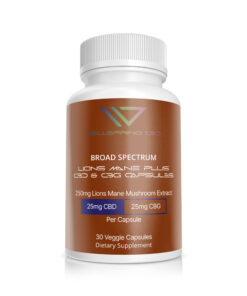
- Capsules: Convenient for those who prefer a consistent, measured dose that is easy to integrate into a supplement stack.
- Gummies: Tasty and discreet, though they require more time to metabolize as they must pass through the digestive system.
- Topicals: Specifically designed for targeted, local relief of inflammation and skin conditions.
CBG-Rich Cannabis Strains: What to Look for at the Dispensary
If you are a medical or recreational cannabis user, look for specific genetics. Strains bred to retain high CBG content—often noted on dispensary menus as “CBG-heavy”—are becoming more common. Look for flower testing above 5% CBG if possible, as this will provide a much more robust experience than standard strains where CBG is usually an afterthought.
Quality Control: How to Vet Your CBG Sources
The CBD and CBG market remains largely unregulated, placing the burden of quality control on the consumer. The most important tool at your disposal is the Certificate of Analysis (COA).
A high-quality COA should be provided by an independent, third-party laboratory. It must verify the cannabinoid content (confirming the product contains the advertised amount of CBG) and, more importantly, screen for contaminants. You should check for heavy metals, residual solvents, pesticides, and microbial growth. Avoid any brand that does not provide a current, batch-specific COA readily available on their website. Furthermore, understand the extraction process: CO2 extraction is generally preferred as it is clean, efficient, and does not leave harmful solvent residues behind.
Final Thoughts
Cannabigerol represents a significant advancement in our understanding of the cannabis plant. By shifting the focus from the psychoactive and sedating properties of other cannabinoids toward the functional, neuroprotective, and focus-enhancing capabilities of CBG, we open a new chapter in personal wellness.
To recap, the most effective way to integrate CBG into your life is through targeted protocols that align with your daily goals—whether that is maximizing productivity in the morning, accelerating physical recovery, or managing stress without sacrificing your cognitive sharpness. The key is to start low, track your results consistently, and always prioritize products with transparent, third-party testing.
As research continues to evolve, we anticipate that CBG will become a staple in holistic health strategies. Its role in supporting neuroprotection, digestive health, and inflammation management positions it as a versatile tool for the modern, high-performance individual. Whether you are using it to sharpen your focus or to help your body recover from the challenges of an active lifestyle, remember that the most effective approach is one rooted in quality and intention.
The “Mother of All Cannabinoids” is not just a scientific curiosity; it is a pragmatic solution for those seeking a more balanced, resilient, and clear-headed daily existence. As you move forward, keep these guidelines in mind, and always remember to consult with a healthcare professional when adding new supplements to your routine, especially if you are currently taking prescription medications, due to the way cannabinoids can interact with the CYP450 liver enzyme system. With a measured, educated approach, you can harness the potential of CBG to elevate your health and performance.
Jason Liss — Co-Founder & Chief Formulator
As a Co-Founder of Wellspring CBD, Jason has been an advocate and pioneer in the cannabis and hemp industries since 1996. Passionate about helping people achieve better health through unique natural supplements, Jason uses his decades of experience to guide readers toward effective wellness solutions.
In this guide
- 01 Understanding the “Mother of All Cannabinoids”: What is CBG?
- 02 The Science of Feel: How CBG Interacts with Your Body
- 03 CBG vs. CBD: Key Differences You Need to Know
- 04 The Potential Health Benefits of Cannabigerol
- 05 The Entourage Effect: Why “Stacking” Cannabinoids Matters
- 06 Strategic Protocols: How to Integrate CBG Into Your Routine
- 07 Choosing the Right CBG Product
- 08 Quality Control: How to Vet Your CBG Sources
- 09 Final Thoughts
Scroll to read · tap a topic to jump


🌱 New Here? First Order
Take 40% Off Your First Order
Join the Wellspring Journal for honest CBD education — enter your name and email to unlock an exclusive first-order code. Instant, no spam, one-click unsubscribe.
🔒 Instant Code
🌿 Zero Spam
✉️ 1-Click Unsubscribe
🌴 90-Day Promise
Discussion