
🔒 Secure Checkout
·
90-Day Promise
·
Free Shipping $75+
🌱 Uncategorized
 · Co-Founder & Chief Formulator
Honest Guidance · Daily Routines · Plant Wellness
Does Broad-Spectrum CBD Have THC? The Truth About Extraction Explained
· Co-Founder & Chief Formulator
The question of whether broad-spectrum CBD contains THC is perhaps the most common source of consumer anxiety in the hemp industry. While many products claim to be “THC-free,” the reality of plant chemistry and laboratory testing is far more nuanced.
Understanding this distinction is critical for anyone hoping to incorporate these products into their wellness routine without the unintended consequence of a positive drug screen or an unwanted psychoactive experience.
Understanding the CBD Spectrum: Where Broad-Spectrum Fits
To grasp the nature of broad-spectrum products, one must first view the hemp plant as a complex factory of chemical compounds. The hemp plant produces over 100 cannabinoids, a variety of aromatic terpenes, and essential flavonoids.
Defining Full-Spectrum, Broad-Spectrum, and Isolate
- Full-spectrum CBD contains the entire profile of the plant, including trace amounts of THC (typically below the legal 0.3% limit).
- Broad-spectrum CBD undergoes additional processing to strip away the THC while attempting to retain the plant’s other beneficial compounds. For a complete deep-dive comparing their effects, see our broad spectrum vs. full spectrum CBD comparison guide.
- Isolate is the purest form of CBD, where every other compound—including cannabinoids and terpenes—is stripped away, leaving only pure CBD crystalline powder like pure CBD isolate powder.
The Specific Intent of Broad-Spectrum Products
The goal of creating broad-spectrum oil is to provide a “middle ground.” It aims to deliver the therapeutic synergies found in the plant without the psychoactive THC that many consumers wish to avoid for professional or personal reasons.
Does Broad-Spectrum CBD Contain THC? The Short and Long Answer
If you are looking for a simple “yes” or “no,” the answer is that while broad-spectrum products are processed to be THC-free, they are technically “remediated” extracts rather than naturally devoid of THC.
The Industry Definition: “Non-Detectable” vs. “Zero”
Most reputable manufacturers do not promise “zero” THC because that is scientifically impossible to guarantee in a biological extract. Instead, they aim for “non-detectable” (ND) levels. This means that the THC content is so low that the standard laboratory testing equipment cannot find it.
Why the Distinction Matters for Consumers
Consumers often confuse “ND” with “zero.” If you consume a high enough dose of a broad-spectrum product, even trace amounts below the limit of quantitation can theoretically accumulate in the body. Understanding this distinction helps manage expectations regarding drug testing and individual sensitivity.
The Science of Separation: How THC is Removed During Extraction
Broad-spectrum CBD does not exist in nature; it is a human-engineered product created through sophisticated chemical processes.
Initial Extraction Methods: CO2 vs. Solvent Extraction
Extraction usually begins with supercritical CO2 or ethanol. CO2 is widely considered the gold standard because it allows for precise control over temperature and pressure, minimizing the degradation of heat-sensitive compounds.
The Role of Winterization and Decarboxylation
Winterization involves freezing the crude extract in alcohol to remove fats, lipids, and waxes. Decarboxylation follows, applying controlled heat to convert acidic cannabinoids like CBDA into their active, bioavailable forms like CBD.
The Key Step: Flash Chromatography and THC Remediation
This is the heart of broad-spectrum production. During flash chromatography, the extract is passed through a column containing a stationary phase that selectively binds to specific molecules. By carefully calibrating this process, chemists can isolate and remove THC molecules while allowing CBD and minor cannabinoids to pass through. To explore the laboratory mechanics of non-detectable THC verification, read our guide on how THC-free CBD is extracted and tested.
Steam Distillation: Preserving Terpenes and Flavonoids
Because chromatography can also strip away desirable aromatic compounds, producers often use steam distillation or fractional distillation to reintroduce or preserve specific terpenes and flavonoids, ensuring the final product retains its efficacy.
The Entourage Effect Without the High
The primary reason consumers seek out broad-spectrum oil is the “entourage effect”—the theory that cannabinoids and terpenes work better together than in isolation.
How Cannabinoids Like CBN and CBC Work Together
Minor cannabinoids like cannabinol (CBN) and cannabichromene (CBC) are retained in many broad-spectrum products. These compounds are believed to modulate the body’s endocannabinoid system, potentially enhancing the calming or anti-inflammatory effects of CBD.
The Role of Terpenes and Flavonoids in Broad-Spectrum Oil
Terpenes provide the scent and flavor of the hemp plant, but they also contribute to the pharmacological profile. Myrcene, for example, is often associated with relaxation, while limonene may offer mood-elevating properties. By keeping these intact, broad-spectrum products offer a more holistic experience than isolates.
Why Choose Broad-Spectrum Over CBD Isolate?
Isolates are perfect for those who require absolute certainty of purity or have extreme chemical sensitivities. However, they lack the multi-layered benefits provided by the collaborative action of minor cannabinoids and terpenes found in broad-spectrum formulations.
The Reality of “THC-Free” Labels and Drug Testing
Can Broad-Spectrum CBD Cause a Positive Drug Test?
While unlikely, it is technically possible. If a product is poorly manufactured or labeled inaccurately, it may contain more THC than the label suggests. Furthermore, some drug tests look for “metabolites” of cannabinoids that are not exclusive to THC, though this is rare. For a detailed breakdown of cutoff levels and testing protocols, read our guide on CBD and workplace drug tests.
The Limit of Quantitation (LOQ): Understanding Lab Sensitivity
Every lab has an LOQ, which represents the lowest concentration of an analyte that can be reliably measured. If a lab says “ND,” it simply means the THC level is below that specific lab’s threshold of detection, not necessarily that the level is absolute zero.
Chemical Degradation: Can CBD Turn Back into THC?
Under specific conditions, such as high heat and highly acidic environments, CBD can undergo a molecular rearrangement to become THC. While this does not happen in a typical tincture bottle, it is a reminder that stability matters.
How to Verify the Truth: Reading Certificates of Analysis (COAs)
A Certificate of Analysis is your only real defense against misinformation. If a company does not provide a third-party, batch-specific COA, you should not purchase the product.
Finding the Cannabinoid Profile and Potency
Check the COA for a breakdown of cannabinoid percentages. Look for the “THC” row; if it says “ND” or “0.00%,” you are looking at a properly remediated product.
Identifying “ND” (Non-Detectable) vs. Trace Amounts
Look at the specific columns for Delta-9 THC. If a company shows a value higher than 0.0% but below 0.3%, that is full-spectrum, not broad-spectrum.
Screening for Purity: Pesticides, Mold, and Residual Solvents
Always check the “Contaminants” section of the COA. A good product should pass testing for heavy metals, microbial growth, and residual solvents from the extraction process.
Red Flags: When a Manufacturer Lacks Transparency
Avoid brands that use generic, outdated COAs or those that test for cannabinoids but fail to provide safety screenings for pesticides.
Broad-Spectrum Product Varieties and Their Efficacy
Tinctures and Oils: The Standard for Bioavailability
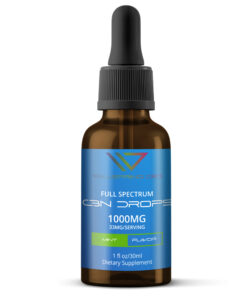
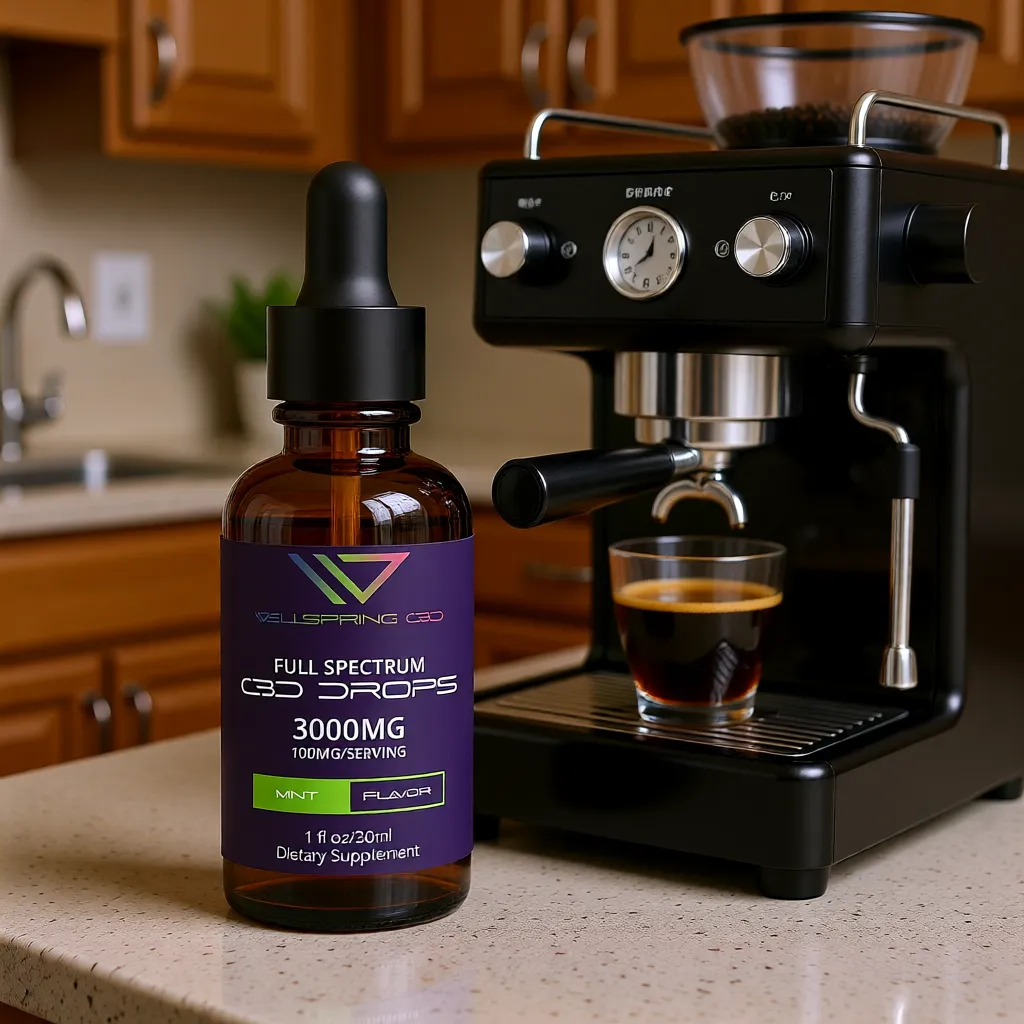
Sublingual CBD drops and tinctures remain the most effective delivery method because the CBD enters the bloodstream directly through the mucous membranes, bypassing the liver’s initial metabolic process. Daily options like our 1000mg broad spectrum CBD oil tincture or clinical 3000mg broad spectrum drops deliver verified 0.0% THC relief.
Edibles and Gummies: Convenient but Complex Processing
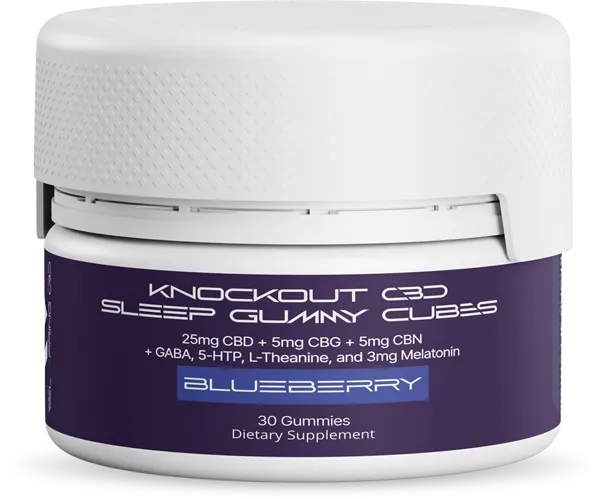
Gummies are popular for their convenience, but they often undergo significant heat during manufacturing. Premium options like our 1500mg broad spectrum CBD gummies use cold-infusion pectin techniques to deliver 50mg of active, broad-spectrum cannabinoids per cube with zero THC.
Topicals and Transdermal Patches: Localized Relief
Topicals interact with cannabinoid receptors in the skin. Because they rarely enter the bloodstream in significant amounts, they are excellent for localized pain without systemic effects.
Conclusion
Broad-spectrum CBD offers a compelling compromise for those seeking the benefits of the hemp plant without the presence of THC. By utilizing advanced chromatography, manufacturers can successfully strip THC to non-detectable levels while preserving the entourage effect of minor cannabinoids and terpenes.
However, the industry’s reliance on the term “THC-free” necessitates a high degree of consumer vigilance. To ensure you are buying a safe, effective product, prioritize transparency. Always demand a third-party Certificate of Analysis, verify the LOQ, and look for batch-specific testing results. By moving beyond marketing claims and understanding the science of extraction, you can confidently navigate the market and select the product best suited to your wellness goals. Whether you choose oils or gummies, your health relies on the integrity of the process, not just the labels on the bottle.
Frequently Asked Questions
Does broad-spectrum CBD have any THC at all?
Legitimate broad-spectrum CBD has undergone targeted extraction (such as flash chromatography) to remove delta-9 THC below laboratory detection thresholds (typically <0.001% or 0.0% Non-Detectable). While technically undetectable by standard testing, always verify batch-specific third-party lab reports (COAs) to confirm zero THC.
Can broad-spectrum CBD cause a positive drug test?
Because verified broad-spectrum CBD contains non-detectable THC, it does not produce the THC-COOH metabolites targeted by standard 50 ng/mL workplace immunoassay screenings. However, consuming mislabeled products that contain trace THC can cause issues. Sticking to verified 0.0% ND products is essential for tested employees.
What is the difference between broad-spectrum and CBD isolate?
CBD isolate is 99%+ single-molecule cannabidiol with all other plant compounds removed. Broad-spectrum preserves active minor cannabinoids (CBG, CBN, CBC) and aromatic terpenes to facilitate the entourage effect without psychoactive THC.
🌿 Formulations in This Guide
Recommended Products for Your Routine
Organic US-grown hemp, batch Certificate of Analysis published on each page, backed by our 90-Day Money-Back Promise.
Jason Liss — Co-Founder & Chief Formulator
As a Co-Founder of Wellspring CBD, Jason has been an advocate and pioneer in the cannabis and hemp industries since 1996. Passionate about helping people achieve better health through unique natural supplements, Jason uses his decades of experience to guide readers toward effective wellness solutions.
In this guide
- 01 Understanding the CBD Spectrum: Where Broad-Spectrum Fits
- 02 Does Broad-Spectrum CBD Contain THC? The Short and Long Answer
- 03 The Science of Separation: How THC is Removed During Extraction
- 04 The Entourage Effect Without the High
- 05 The Reality of “THC-Free” Labels and Drug Testing
- 06 How to Verify the Truth: Reading Certificates of Analysis (COAs)
- 07 Broad-Spectrum Product Varieties and Their Efficacy
- 08 Conclusion
- 09 Frequently Asked Questions
Scroll to read · tap a topic to jump
🌱 New Here? First Order
Take 40% Off Your First Order
Join the Wellspring Journal for honest CBD education — enter your name and email to unlock an exclusive first-order code. Instant, no spam, one-click unsubscribe.
🔒 Instant Code
🌿 Zero Spam
✉️ 1-Click Unsubscribe
🌴 90-Day Promise
Discussion