
🔒 Secure Checkout
·
90-Day Promise
·
Free Shipping $75+
🌱 Uncategorized
 · Co-Founder & Chief Formulator
Honest Guidance · Daily Routines · Plant Wellness
Water Soluble CBD: Bioavailability & How It Works
· Co-Founder & Chief Formulator
The landscape of the wellness industry has been fundamentally transformed by the rise of cannabinoid-based products. Yet, for many users, the promise of these products often outpaces the actual results. If you have ever wondered why your daily CBD tincture seems to work inconsistently—or sometimes not at all—the culprit is likely a fundamental physiological hurdle known as bioavailability. Understanding why traditional oil-based products frequently underperform is the first step toward embracing the next generation of wellness technology: water-soluble CBD.
The Bioavailability Problem: Why Your CBD Oil Might Be Underperforming
Defining Bioavailability in the Context of Cannabinoids
Bioavailability refers to the proportion of an active substance that enters the bloodstream when introduced into the body and becomes available for its intended biological activity. When you ingest a supplement, the goal is for the active compounds to reach the systemic circulation. For the typical consumer, low bioavailability means that a significant portion of the CBD purchased is discarded by the body as waste, leading to a disconnect between the dose on the label and the effect experienced.
The Lipophilic Challenge: Why Oil and Water Don’t Mix in the Human Body
The core issue is that CBD is a lipophilic, or fat-loving, molecule. The human body, however, is comprised of approximately 60% water. Because oil and water do not mix, cannabinoids struggle to traverse the aqueous environment of the digestive tract. When you consume an oil-based product, the molecules remain clumped together, making it difficult for them to be absorbed through the intestinal lining. This physical mismatch represents a significant challenge for efficient delivery.
The “First-Pass Effect”: How the Liver and Digestive System Limit Absorption
Even if some CBD makes it past the initial digestive hurdle, it must face the “first-pass effect.” As nutrients pass through the portal vein into the liver, enzymes begin the process of breaking them down before they ever reach the bloodstream. For oil-based CBD, this enzymatic degradation is aggressive, often reducing the effective payload to as little as 5% to 10%. Essentially, the body acts as a gatekeeper, filtering out the very compounds the consumer is seeking to utilize.
What Exactly is Water-Soluble CBD?
The Science of Dispersibility vs. Solubility
True solubility implies that a substance can dissolve completely into a solvent. CBD cannot naturally dissolve in water. Therefore, “water-soluble” is a term used in the industry to describe “water-dispersible” technology. These products use advanced engineering to suspend cannabinoids in a stable, liquid format that behaves as if it were water-compatible, allowing it to mix seamlessly into beverages without separating.
Understanding Stable Emulsions: Transforming Oil into Water-Compatible Compounds
To create this, chemists develop stable emulsions. By combining water, CBD extract, and food-grade bio-enhancers, oil droplets are shielded from surrounding water molecules. In encapsulated products like our 20mg Water-Soluble CBD Capsules with C3 Complex & BioPerine, this technology pairs with black pepper extract to maximize intestinal uptake. Explore our complete CBD capsules and softgels hub for options.
The Role of Micelles: Nature’s Transport Vehicles for Fatty Molecules
Micelles are the secret weapon in this process. A micelle acts like a microscopic shipping container; the interior is lipophilic, housing the CBD molecule, while the exterior is hydrophilic, allowing it to move easily through the water-rich environment of the human body. By wrapping the cannabinoid in these structures, we bypass the traditional digestive obstacles.
The Nanotechnology Revolution: How Water-Soluble CBD is Engineered
Breaking it Down: High-Pressure Homogenization and Ultrasonicators
Engineers utilize high-energy equipment, such as ultrasonicators and high-pressure homogenizers, to shear oil droplets into microscopic sizes. This intense mechanical energy forces the oil and water phases to integrate at a level impossible to achieve through simple stirring.
The Importance of Micelle Size: Why Sub-50nm Droplets Are the Gold Standard
The “nano” in nano-emulsion refers to the scale of these particles. To be highly effective, the industry gold standard is maintaining a droplet size under 50 nanometers. Smaller droplets offer a massive surface area, significantly increasing the probability that the body’s enzymes will allow the compounds to pass into the bloodstream rapidly.
Managing Emulsifier Concentration and HLB (Hydrophilic-Lipophilic Balance)
Achieving a stable, clear, and effective emulsion requires precise control over the Hydrophilic-Lipophilic Balance (HLB). By balancing the ratio of emulsifiers to the CBD oil, formulators ensure that the product remains shelf-stable and does not revert to its original oily state under varying environmental conditions.
Maintaining Molecular Purity: Avoiding Thermolytic Stress and Degradation
During the manufacturing process, it is vital to avoid excessive heat. Thermolytic stress can degrade delicate cannabinoid compounds, diminishing their potential. Advanced processing techniques focus on cooling the mixture during homogenization to ensure that the finished ingredient remains chemically pure and potent.
The Consumer Experience: Why “Water-Soluble” Feels Different
Rapid Onset: From Hours to Minutes
Because water-soluble CBD is “pre-digested” by the emulsion process, it passes through the digestive system with minimal resistance. Instead of waiting an hour or more for the liver to process an oil tincture, consumers often report an onset of effects within 10 to 20 minutes.
Eliminating the “Oil Sensation”: Improving Taste, Smell, and Mouthfeel
Traditional oils often have a heavy, earthy, or bitter taste that many consumers find unpleasant. Water-soluble formulations, by contrast, are typically tasteless and odorless, making them perfect for integration into functional drinks or water.
Predictable Outcomes: Achieving a Consistent Sense of Calm
The primary frustration for the average consumer is the “hit-or-miss” nature of oil. Water-soluble technology offers a high degree of predictability. Because the absorption is standardized by the delivery vehicle, users can rely on a consistent sense of calm with every serving, removing the guess-work of bioavailability.
Formulating for Success: Functional Ingredients and Synergies
The Art of Stacking: Combining CBD with CBG and CBN Distillates
Water-soluble technology acts as a platform for complex formulations. By “stacking” CBD with other minor cannabinoids like CBG or CBN, formulators can create targeted wellness solutions that benefit from the enhanced delivery speed of nano-emulsions. Learn how 0.0% THC is maintained during refinement in our THC-free CBD testing guide, or browse our THC-free CBD catalog.
Water-Based Synergies: Integrating Melatonin, Magnesium, and Turmeric
These emulsions also allow for the easy combination of CBD with other water-based functional ingredients. Imagine a post-workout recovery drink containing CBD, magnesium, and turmeric, all delivered in a single, highly bioavailable format.
Stability Challenges: Ensuring Potency in Beverages and Liquid Products
Maintaining potency in a liquid product is a significant hurdle. Formulators must ensure that the emulsion remains stable against pH changes, temperature fluctuations, and exposure to light, ensuring that the consumer receives the full, intended dose regardless of shelf time.
Comparing Methods: Oil-Based Tinctures vs. Water-Soluble Products
A Side-by-Side Look at Absorption Rates and Payload Efficiency
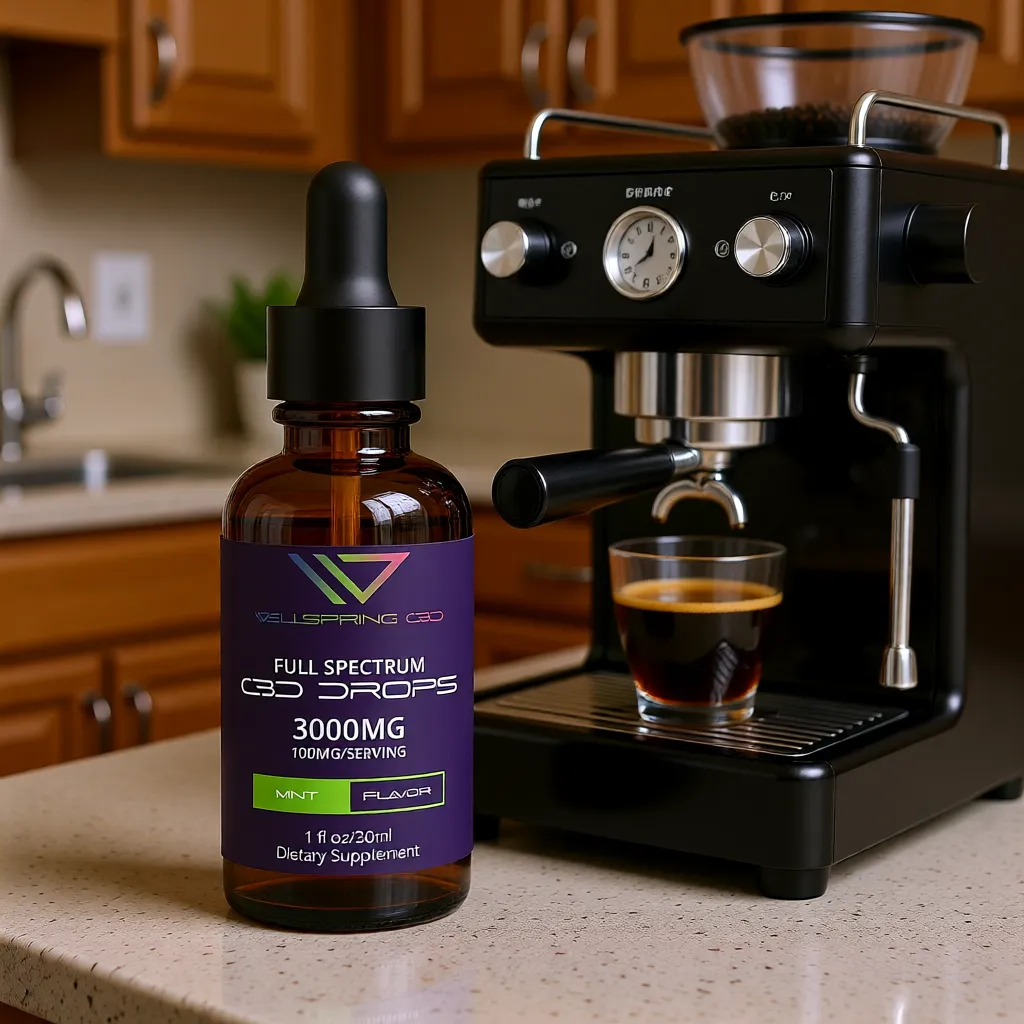
The math is simple: a 10mg dose of water-soluble CBD often provides more systemic impact than a 50mg dose of oil-based CBD. While sublingual 3000mg broad spectrum drops maximize delivery through oral mucosal membranes, water-soluble formulations outperform standard digestive oils. To understand cannabinoid differences, read our broad spectrum vs. full spectrum CBD comparison.
Versatility in Mediums: From Morning Coffee to Post-Exercise Recovery Drinks
While oil is limited to sublingual or topical use, water-soluble CBD can be added to coffee, tea, smoothies, or sports drinks, offering unmatched versatility for the modern, fast-paced consumer.
Temperature and Shelf-Life: How Stability Impacts Effectiveness
Unlike simple mixtures that might separate in the fridge or pantry, high-quality nano-emulsions are designed to maintain their structural integrity across varying temperatures, ensuring the product is as effective on the day of purchase as it is months later.
Navigating the Market: How to Spot High-Quality Water-Soluble Tech
Marketing vs. Reality: Identifying Genuine Nano-Emulsions
The term “nano” is often used as a marketing buzzword. Savvy consumers should look for brands that provide granular technical data rather than vague health claims.
The Importance of Transparency: Certificates of Analysis and Droplet Size Testing
The most important document for a consumer is a Certificate of Analysis (COA) that confirms cannabinoid purity and particle size distribution. You can verify batch-specific test results for all formulations directly in our third-party lab test portal (COAs).
Future Trends: Insights from the Brightfield Group and Industry Experts
As industry research continues to evolve, we are moving toward an era of personalized, high-precision cannabinoid delivery. Water-soluble CBD is not merely a passing trend; it is the fundamental evolution of how we consume wellness compounds.
Conclusion
The shift from traditional oil-based products to water-soluble CBD represents a necessary evolution in the cannabis sector. By bypassing the limitations of the “first-pass effect” and leveraging the science of micelles, water-soluble CBD provides superior bioavailability, faster onset, and more predictable results. For the consumer, this translates to greater efficiency, better value, and a more reliable wellness experience. To ensure you are getting the highest quality, always demand transparency via Certificates of Analysis and prioritize brands that utilize verified nano-emulsion technology. Effectiveness is the only metric that matters, and water-soluble innovation is how we achieve it.
Frequently Asked Questions
What is water-soluble CBD?
Water-soluble CBD is hemp extract that has undergone nanotechnology (nano-emulsification or micelle technology) to break oil droplets down to sub-100nm particles. This allows the cannabinoids to mix freely with water, resulting in up to 4 to 5 times higher bioavailability than standard CBD oil.
How fast does water-soluble CBD kick in?
Because nano-emulsified droplets are absorbed rapidly through the stomach lining rather than waiting for first-pass liver processing, water-soluble CBD typically takes effect in 10 to 20 minutes, compared to 60 to 90 minutes for traditional oil-based capsules.
Are water-soluble CBD capsules THC-free?
Yes, many water-soluble formulations (such as our 20mg Water-Soluble C3 Complex Capsules) are manufactured using broad-spectrum or isolate extracts with 0.0% non-detectable THC. Always verify batch results on the Certificate of Analysis (COA).
🌿 Formulations in This Guide
Recommended Products for Your Routine
Organic US-grown hemp, batch Certificate of Analysis published on each page, backed by our 90-Day Money-Back Promise.
Jason Liss — Co-Founder & Chief Formulator
As a Co-Founder of Wellspring CBD, Jason has been an advocate and pioneer in the cannabis and hemp industries since 1996. Passionate about helping people achieve better health through unique natural supplements, Jason uses his decades of experience to guide readers toward effective wellness solutions.
In this guide
- 01 The Bioavailability Problem: Why Your CBD Oil Might Be Underperforming
- 02 What Exactly is Water-Soluble CBD?
- 03 The Nanotechnology Revolution: How Water-Soluble CBD is Engineered
- 04 The Consumer Experience: Why “Water-Soluble” Feels Different
- 05 Formulating for Success: Functional Ingredients and Synergies
- 06 Comparing Methods: Oil-Based Tinctures vs. Water-Soluble Products
- 07 Navigating the Market: How to Spot High-Quality Water-Soluble Tech
- 08 Conclusion
- 09 Frequently Asked Questions
Scroll to read · tap a topic to jump
🌱 New Here? First Order
Take 40% Off Your First Order
Join the Wellspring Journal for honest CBD education — enter your name and email to unlock an exclusive first-order code. Instant, no spam, one-click unsubscribe.
🔒 Instant Code
🌿 Zero Spam
✉️ 1-Click Unsubscribe
🌴 90-Day Promise
Discussion