
🔒 Secure Checkout
·
90-Day Promise
·
Free Shipping $75+
🌱 Uncategorized
 · Co-Founder & Chief Formulator
Honest Guidance · Daily Routines · Plant Wellness
CBD and Workplace Drug Tests: Does Isolate or Broad Spectrum Keep You Safe?
· Co-Founder & Chief Formulator
Navigating the intersection of personal wellness and professional security is increasingly complex for the modern employee. As CBD, or cannabidiol, has surged in popularity for its perceived calming and anti-inflammatory properties, a cloud of uncertainty remains regarding its interaction with workplace drug tests. For many, the desire to incorporate a daily hemp-derived supplement clashes with the anxiety of potential career-altering consequences. This article aims to transition you from passive consumer to informed risk manager, moving beyond the binary “safe versus unsafe” narrative. By understanding the chemistry of detection and the nuances of product manufacturing, you can develop a strategy that supports your health without jeopardizing your job.
The Growing Popularity of CBD for Wellness
CBD has shifted from a niche alternative remedy to a mainstream fixture in wellness regimens, appearing in everything from morning tinctures to post-workout topicals. Millions of consumers utilize this cannabinoid to manage stress or support physical recovery. Because it is non-intoxicating, many users mistakenly assume that all CBD-infused products are functionally identical in the eyes of a laboratory test, leading to a false sense of security that can have real-world repercussions in a drug-tested environment.
The Reality of Employment: Anxiety Around Drug Testing Protocols
For those in safety-sensitive industries or organizations with strict zero-tolerance policies, drug testing is a looming variable. The uncertainty surrounding CBD isn’t merely about the substance itself; it is about the “dirty” reality of the hemp industry—specifically, the prevalence of trace THC in products that claim to be pure. The anxiety is justified, as professional life demands a level of vigilance regarding one’s chemical intake that lifestyle marketing often ignores.
Defining the Goal: Moving from Generic Info to a Risk-Management Strategy
The goal here is not to offer legal advice but to provide a blueprint for minimizing risk. By learning to differentiate between product types and understanding how labs detect metabolites, you move from guessing to making calculated, data-backed decisions about what you choose to put into your body.
Understanding the Target: What Do Workplace Drug Tests Actually Look For?
The Chemistry of Detection: THC-COOH vs. CBD
It is a common misconception that drug tests screen for CBD. They do not. Standard workplace drug tests are designed to detect the presence of 11-nor-delta-9-tetrahydrocannabinol-9-carboxylic acid, commonly known as THC-COOH. This is the inactive metabolite created when your body metabolizes THC. If your CBD product contains even trace amounts of THC, your body will break it down into this metabolite, which is then flagged by screening technology.
Common Testing Methods: Urinalysis, Blood, Hair, and Saliva
The methodology matters. Urinalysis remains the industry standard, typically focusing on the presence of THC metabolites. Saliva and blood tests generally have shorter detection windows, focusing on recent intake, whereas hair testing can show a longer history of usage. Regardless of the method, the underlying risk remains: any THC entry into your system is a potential liability.
The Crucial Role of Detection Cutoffs (ng/mL) in Screening
Drug tests utilize “cutoff levels,” usually measured in nanograms per milliliter (ng/mL). A test is only considered “positive” if the concentration of the metabolite exceeds this threshold. While this protects some occasional users of extremely low-dose THC, it offers little protection for those who consume high volumes of hemp extract daily.
Gas Chromatography (GC) and Mass Spectrometry: The Confirmation Process
Initial screenings (immunoassays) can occasionally produce false positives due to cross-reactivity. If an initial screen is positive, a lab will perform Gas Chromatography and Mass Spectrometry (GC/MS). This is the “gold standard” of analytical chemistry. It is highly specific and effectively eliminates the possibility of a “false” result. If GC/MS confirms the presence of THC-COOH, the source of the THC becomes legally irrelevant to the employer.
The Spectrum of Risk: Categorizing CBD Products by Testing Vulnerability
CBD Isolate: The Purest Form and Why It Offers the Lowest Risk
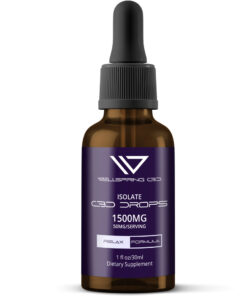
CBD Isolate is the only product type that consists of 99% or higher pure cannabidiol. Because the extraction process isolates only the CBD molecule and removes all other cannabinoids and plant matter, the risk of testing positive for THC is at its theoretical minimum. For tested professionals, pure single-compound options like CBD isolate powder or products from our verified THC-free CBD catalog offer the safest starting point.
Broad-Spectrum CBD: The Entourage Effect Without (Intentional) THC
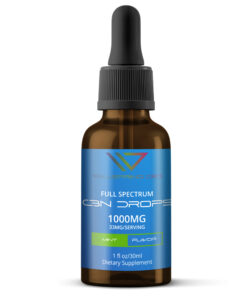
Broad-spectrum products are processed to remove detectable THC while retaining other minor cannabinoids. As explained in our guide on whether broad-spectrum CBD has THC and our broad spectrum vs. full spectrum CBD comparison, verified chromatography removes THC to non-detectable levels. Verified products like our 1000mg broad spectrum drops or 1500mg broad spectrum gummies provide entourage support without detectable THC.
Full-Spectrum CBD: Why This Category is a “Red Zone” for Employees
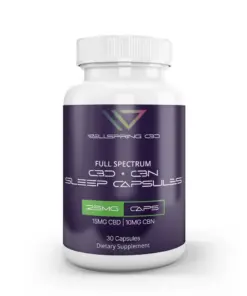
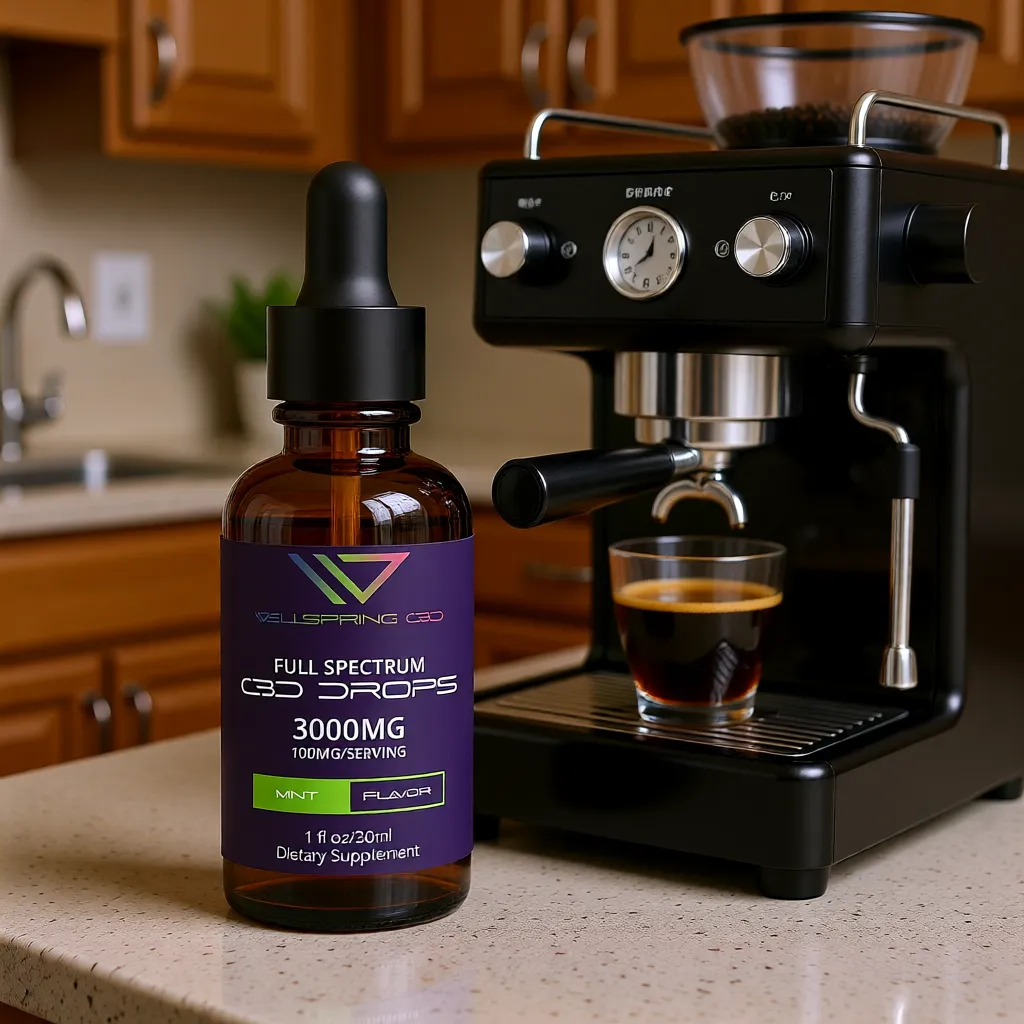
Full-spectrum oil contains the full profile of cannabinoids, including the legal limit of 0.3% THC. While this is within federal law, it is not “THC-free.” Frequent ingestion of these products can lead to a cumulative buildup of THC metabolites in your system, making it the highest-risk category for anyone subject to regular drug tests.
Minor Cannabinoids (CBG, CBC, CBN) and Their Role in Testing Interference
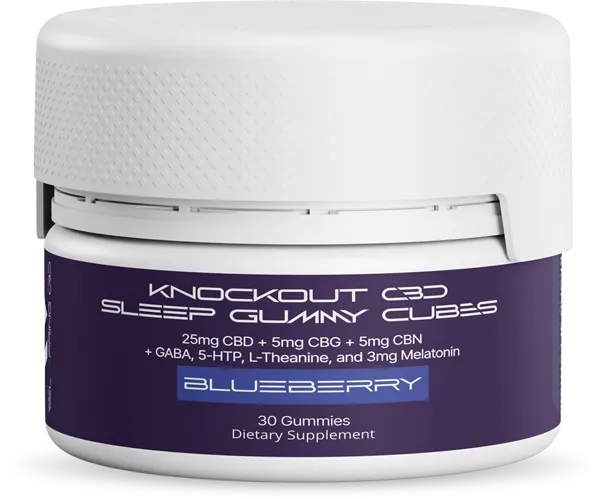
Minor cannabinoids are often marketed as enhancing the effects of a gummy or oil. However, they are often extracted alongside THC. Their presence can sometimes complicate the purification process, increasing the likelihood that trace THC residues remain in the final product.
Why “THC-Free” Labels Aren’t a Legal or Biological Guarantee
The Lack of FDA Oversight and the Reality of Product Mislabeling
The CBD industry is famously under-regulated. “THC-free” is frequently a marketing claim rather than a verified chemical status. Without strict FDA oversight, manufacturers may label products as THC-free even when third-party tests suggest otherwise. Relying on a label without verification is a significant oversight.
Understanding the “Dry Weight” Rule vs. Final Product Content
The legal threshold of 0.3% THC is calculated on a “dry weight” basis of the hemp plant. This does not always translate to the concentration in a liquid extract or gummy. Consumers often misunderstand this legal definition, assuming any product sold is “safe,” while the actual chemistry can fluctuate significantly.
The LOQ (Limit of Quantitation): Trace Amounts That Slip Through the Cracks
A lab report might show “ND” for Not Detectable. However, you must check the Limit of Quantitation (LOQ). If the LOQ is too high, the lab might miss small amounts of THC that could still cause you to fail a test. Always verify the sensitivity of the lab that performed the analysis.
Cross-Reactivity: Can High Doses of CBD Trigger a False Positive?
While rare, there is evidence that extremely high doses of cannabinoids can occasionally trigger cross-reactivity in lower-quality screening tests. This underscores the importance of choosing high-quality, reputable brands that maintain strict internal consistency.
Biological Variables: Why Results Vary Between Individuals
Metabolism and Body Fat: Why Cannabinoids Linger in the System
THC metabolites are lipophilic, meaning they are stored in your fat cells. Individuals with higher body fat percentages or slower metabolic rates may retain these metabolites for longer, extending the window of risk significantly beyond that of someone with a faster metabolism.
Circulation and Physical Activity: Factors Influencing Detection Windows
Regular exercise can help the body flush metabolites, but in the short term, it can also release stored THC back into the bloodstream. Hydration levels and overall cardiovascular health play subtle but meaningful roles in how quickly your system clears these substances.
Usage Habits: The Cumulative Effect of Daily Dosing vs. Single Use
A single gummy used once a month carries a drastically different risk profile than a high-dose daily tincture. The cumulative effect of consistent dosing can push your levels over the threshold even if the individual doses are small.
The Impact of Other Pharmaceuticals and Supplements on the Baseline
Certain medications can interact with the enzymes (specifically the cytochrome P450 system) that metabolize cannabinoids. This can potentially alter how your body processes CBD and THC, further unpredictability of results.
The “Trust but Verify” Protocol: How to Vet Your CBD Brand
How to Read a Certificate of Analysis (COA) Like a Professional
A COA is your primary defense. When reading one, look specifically at the cannabinoid profile section. Ensure the report is recent and matches the batch number on your product packaging. You can review all of our verified batch test results in our transparent third-party lab test portal (COAs), or read our complete guide on how THC-free CBD is tested.
Looking for Third-Party Lab Credentials: ISO 17025 and GMP Certification
Ensure the lab that issued the COA is ISO 17025 accredited. This confirms the lab uses validated methods and follows strict quality controls. GMP (Good Manufacturing Practice) certification for the manufacturer is an added layer of security.
Compliance and Transparency: Why Brand Reputation Is Your Best Defense
High-end brands often invest in more rigorous extraction and testing than budget-tier brands. Transparency regarding their process, sourcing, and testing protocols is the best indicator of a brand that prioritizes user safety over aggressive growth.
Wellspring CBD: Identifying Brands That Prioritize Employee Safety
Brands like Wellspring CBD, which specialize in third-party tested, verified 0.0% broad-spectrum and isolate formulations, provide a benchmark for consumer transparency. By focusing on purity and providing detailed batch-level COAs, we cater to a demographic that requires certainty. Always prioritize brands that have built their reputation on lab-verified claims rather than vague marketing promises.
Conclusion
The intersection of CBD usage and workplace drug tests requires a disciplined, evidence-based approach. By understanding that standard tests target THC-COOH metabolites—not CBD itself—you can better mitigate your personal risk. For the safety-conscious professional, the strategy is clear: prioritize high-purity CBD Isolate, verify every batch through an ISO 17025-accredited COA, and remain aware of your own biological variables.
While “THC-free” marketing claims are common, your ultimate protection lies in rigorous due diligence. If your career depends on a clean drug test, choose your products with the same professional scrutiny you apply to your work. Moving forward, maintain a buffer period of at least 30 days before expected screenings to allow your system to reset, ensuring that your wellness goals and professional obligations remain perfectly aligned.
Frequently Asked Questions
Will CBD show up on a standard workplace drug test?
No. Standard workplace 5-panel and 10-panel drug tests do not screen for cannabidiol (CBD). They screen specifically for THC metabolites (THC-COOH). Pure CBD isolate and broad-spectrum products that contain non-detectable THC (0.0% ND) will not trigger a positive result for THC.
Can broad-spectrum CBD cause a false positive?
While extremely rare, cross-reactivity on cheap initial immunoassay screening cups can occur if a product is mislabeled and contains unlisted trace THC. True 0.0% ND broad-spectrum CBD verified by independent laboratory COAs does not produce THC metabolites and clears confirmatory GC/MS tests cleanly.
What is the standard cutoff level for THC on workplace drug tests?
SAMHSA guidelines establish a 50 ng/mL cutoff for initial urine immunoassay screenings. If positive, a confirmatory Gas Chromatography/Mass Spectrometry (GC/MS) test is conducted with a more sensitive 15 ng/mL cutoff specifically for the THC-COOH metabolite.
🌿 Formulations in This Guide
Recommended Products for Your Routine
Organic US-grown hemp, batch Certificate of Analysis published on each page, backed by our 90-Day Money-Back Promise.
Jason Liss — Co-Founder & Chief Formulator
As a Co-Founder of Wellspring CBD, Jason has been an advocate and pioneer in the cannabis and hemp industries since 1996. Passionate about helping people achieve better health through unique natural supplements, Jason uses his decades of experience to guide readers toward effective wellness solutions.
In this guide
- 01 Understanding the Target: What Do Workplace Drug Tests Actually Look For?
- 02 The Spectrum of Risk: Categorizing CBD Products by Testing Vulnerability
- 03 Why “THC-Free” Labels Aren’t a Legal or Biological Guarantee
- 04 Biological Variables: Why Results Vary Between Individuals
- 05 The “Trust but Verify” Protocol: How to Vet Your CBD Brand
- 06 Conclusion
- 07 Frequently Asked Questions
Scroll to read · tap a topic to jump
🌱 New Here? First Order
Take 40% Off Your First Order
Join the Wellspring Journal for honest CBD education — enter your name and email to unlock an exclusive first-order code. Instant, no spam, one-click unsubscribe.
🔒 Instant Code
🌿 Zero Spam
✉️ 1-Click Unsubscribe
🌴 90-Day Promise
Discussion