

🔒 Secure Checkout
·
90-Day Promise
·
Free Shipping $75+
🌱 Cannabinoids Explained
 · Co-Founder & Chief Formulator
Honest Guidance · Daily Routines · Plant Wellness
CBD vs. CBN for Sleep: Which Cannabinoid Prevents Middle-of-Night Waking?
· Co-Founder & Chief Formulator
For millions of adults, bedtime is not a peaceful retreat—it is a frustrating two-stage battle. The first hurdle is sleep onset latency: lying in the dark with a racing mind, watching the digital clock march from 10:30 PM to midnight. But for many, the second hurdle is far more disruptive: waking up abruptly at 2:30 AM or 3:15 AM, completely alert, unable to bridge the gap into deep restorative sleep.
As consumers look for natural, non-habit-forming alternatives to pharmaceutical sedatives and synthetic melatonin, two hemp-derived cannabinoids have risen to the top of nighttime wellness: cannabidiol (CBD) and cannabinol (CBN).
While both compounds originate from the Cannabis sativa plant, they interact with the human body through distinct biochemical pathways. Choosing the right cannabinoid—or the right combination—depends entirely on whether your primary struggle is quieting a busy brain at bedtime or preventing middle-of-the-night awakenings.
Below, we examine the science behind CBD and CBN, compare their receptor mechanisms, evaluate sleep architecture research, and outline practical dosing protocols for uninterrupted rest.
Falling Asleep vs. Staying Asleep: Two Distinct Sleep Problems
To understand why a generic sleep aid rarely works for everyone, sleep medicine specialists separate nighttime disruption into two physiological challenges:
- Sleep Onset Insomnia (Difficulty Falling Asleep): Typically driven by elevated evening cortisol, autonomic sympathetic arousal (“fight-or-flight” tone), and emotional stress. The body feels restless, and the mind loops through daytime concerns.
- Sleep Maintenance Insomnia (Middle-of-the-Night Waking): Occurs when the brain transitions between rapid eye movement (REM) and non-REM slow-wave sleep cycles. As natural body temperature drops and sleep pressure wanes in the second half of the night, minor sensory inputs, joint aches, or neurotransmitter drops trigger sudden arousal.
CBD and CBN address these two phases through fundamentally different biological targets.
What Is CBD (Cannabidiol) and How Does It Aid Sleep?
Cannabidiol is the most abundant non-intoxicating phytocannabinoid in industrial hemp. Unlike THC, CBD produces zero psychoactive euphoria or cognitive impairment.
Crucially, CBD is not a direct sedative. It does not act like a chemical light switch that knocks out the central nervous system. Instead, CBD supports sleep by resolving the underlying physiological barriers that keep you awake:
1. 5-HT1A Serotonin Receptor Activation
CBD binds directly as an agonist to 5-HT1A serotonin receptors in the brain. This pathway dampens autonomic fear and stress signaling, quieting mental chatter and reducing evening heart rate variability.
2. Adenosine Modulation
CBD inhibits the reuptake of adenosine—a critical neurochemical that builds “sleep pressure” throughout the day. By supporting natural adenosine accumulation, CBD helps the brain register healthy tiredness when lights go out.
3. Relief from Physical Tension
Physical aches, muscle tightness, and joint discomfort are primary drivers of bedtime tossing and turning. By interacting with peripheral vanilloid (TRPV1) channels, CBD quiets localized sensory irritation.
In short, CBD sets the stage for sleep by turning down the volume of stress and physical discomfort. However, because CBD does not heavily engage central sedative receptors, taking CBD alone may not prevent you from waking up when natural sleep cycles shift at 3 AM.
What Is CBN (Cannabinol) and Why Is It Called the “Sleep Cannabinoid”?
Cannabinol is a rare minor cannabinoid that forms naturally as harvested hemp ages. When Delta-9 THC is exposed to oxygen, ambient light, and gentle heat over time, it undergoes non-enzymatic oxidation and transforms into CBN.
Despite its origin, CBN is non-intoxicating at standard consumer doses. It does not produce the disorienting high associated with recreational cannabis. However, its molecular structure retains a unique physiological property that sets it apart from CBD: direct binding affinity for CB1 cannabinoid receptors.
How CBN Interacts with the Endocannabinoid System
The Endocannabinoid System (ECS) relies on two primary receptor families:
- CB1 Receptors: Concentrated heavily in the brain, central nervous system, and sleep-wake regulation centers.
- CB2 Receptors: Found predominantly across peripheral immune cells and inflammatory tissues.
While CBD largely avoids direct CB1 binding, research published in preclinical pharmacology reveals that CBN acts as a weak partial agonist at CB1 receptors—exhibiting approximately 10% of THC’s binding strength. This gentle CB1 engagement produces a distinct physical heaviness and sensory sedation without cognitive intoxication.
Furthermore, emerging sleep research highlighted by the Sleep Foundation indicates that CBN modulates transient receptor potential ankyrin (TRPA1) ion channels, prolonging non-REM slow-wave sleep. Slow-wave sleep is the deepest, most restorative stage of the sleep cycle, responsible for cellular repair, immune consolidation, and tissue recovery.
By anchoring brainwave activity during slow-wave cycles, CBN acts as an internal stabilizer that helps prevent premature middle-of-the-night waking.
CBD vs. CBN: Direct Comparison for Sleep Support
To choose the right cannabinoid for your sleep pattern, compare how their pharmacological profiles align with your symptoms:
| Factor / Characteristic | Cannabidiol (CBD) | Cannabinol (CBN) |
|---|---|---|
| Primary Sleep Role | Sleep onset; quiets racing thoughts and physical tension | Sleep maintenance; sustains deep sleep and prevents 3 AM awakenings |
| Receptor Targets | 5-HT1A serotonin, TRPV1 vanilloid, adenosine reuptake | CB1 (mild partial agonist), CB2, TRPA1 ion channels |
| Direct Sedative Effect | Low; calming and relaxing without heavy sedation | Moderate to high; induces perceptible physical drowsiness |
| Daytime Suitability | Excellent; promotes clear-headed daytime calm and focus | Nighttime only; can induce sluggishness if taken during daytime |
| Typical Sleep Dose | 25 mg to 50 mg | 5 mg to 20 mg (minor cannabinoid, higher potency per mg) |
| Impact on REM Cycles | Preserves normal REM dream architecture | Preserves natural sleep staging; extends deep slow-wave delta sleep |
| Best For | “My brain won’t shut off at 10 PM” | “I fall asleep fine, but wake up wide awake at 3 AM” |
The Sleep Entourage Effect: Why Combining CBD and CBN Works Best
While evaluating CBD versus CBN helps clarify their individual roles, the most effective clinical outcomes rarely come from isolating one compound. In nature, cannabinoids work synergistically through the entourage effect—a phenomenon where minor cannabinoids, terpenes, and botanical extracts amplify each other’s therapeutic benefits while smoothing out unwanted side effects.
Taking either cannabinoid in isolation often leaves one half of the sleep equation unsolved:
[ Elevated Stress / Racing Mind ] ──> Solved by CBD (5-HT1A Calming)
                                         +
[ Fragmented 3 AM Sleep Cycles  ] ──> Solved by CBN (CB1 Sleep Maintenance)
                                         │
                                         ▼
                      [ FULL NIGHT RESTORATIVE SLEEP ]
The Synergy in Practice
- Step 1 (Bedtime): CBD eases central nervous system excitation, lowering heart rate and quieting racing thoughts so you transition into sleep within 20 to 30 minutes.
- Step 2 (The Middle Hours): As your body processes through multiple 90-minute sleep cycles, CBN’s prolonged affinity for CB1 and TRPA1 receptors maintains deep sleep pressure, preventing minor environmental noises or natural temperature dips from waking you up.
For comprehensive night-by-night expectations when beginning a minor cannabinoid routine, read our detailed guide on your first 7 nights with CBN.
Why Cannabinoids Outperform Synthetic Melatonin
When sleep issues arise, many people reach for over-the-counter melatonin gummies. However, synthetic melatonin is one of the most misunderstood supplements on the market.
Melatonin is a hormone produced naturally by the brain’s pineal gland in response to darkness. Standard drugstore supplements frequently contain 5mg to 10mg per serving—up to ten to twenty times the physiological amount the human body produces naturally (0.3mg).
Chronic melatonin supplementation can cause significant drawbacks:
- Receptor Desensitization: Flooding the brain with excessive exogenous hormones downregulates natural pineal receptors, making it harder to sleep naturally over time.
- Morning Hangover: Because synthetic melatonin breaks down slowly in the liver, high doses often leave users feeling groggy, foggy, and exhausted well into mid-morning.
- Vivid Nightmares & Fragmented REM: High-dose melatonin disrupts normal REM cycling, frequently causing intense, bizarre dreams and restless awakenings.
For an in-depth breakdown of these hormone risks, review our clinical comparison on CBD vs melatonin for sleep. Cannabinoids like CBD and CBN do not introduce foreign hormones into your bloodstream; they simply support your existing endocannabinoid receptors to regulate natural circadian rhythm.
Choosing the Right Nighttime Formulation
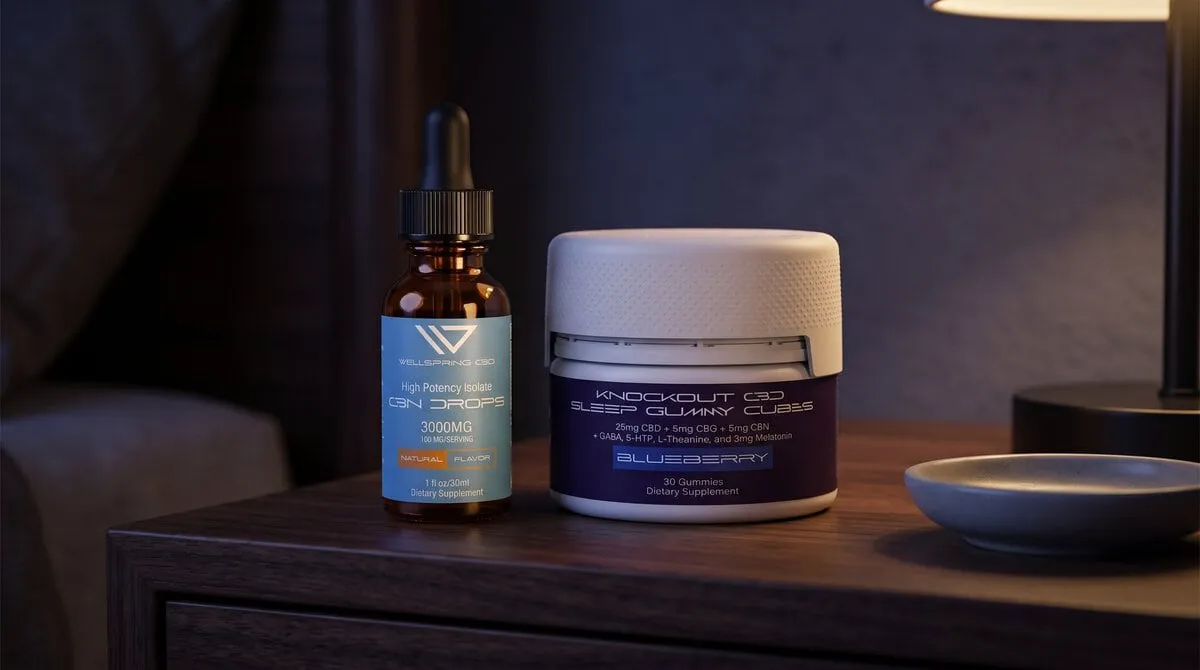
Depending on how sleep issues manifest in your life, Wellspring CBD formulates clean, laboratory-tested options tailored to specific sleep challenges:
Option A: For Chronic Middle-of-the-Night Waking
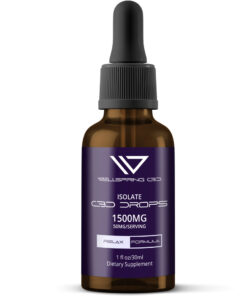
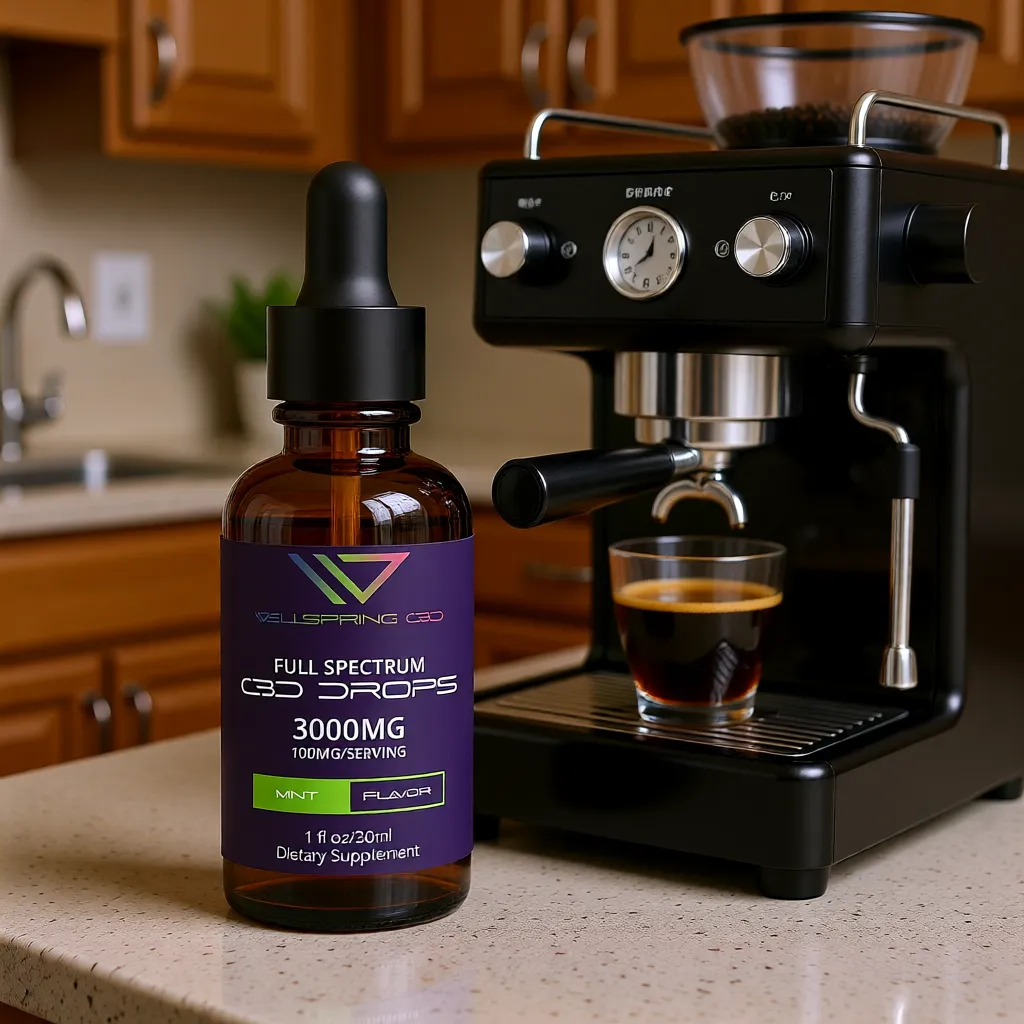
If your primary issue is waking up between 2 AM and 4 AM with physical restlessness, high-concentration CBN is your ideal tool. Our high potency CBN isolate drops deliver concentrated pure cannabinol in organic coconut MCT oil. Taking sublingual drops 30 minutes before bed allows active cannabinoids to enter sublingual capillaries directly, sustaining deep sleep pressure throughout the night. To learn more about this cannabinoid’s science, explore our what is CBN cannabinol guide.
Option B: For Bedtime Stress + Midnight Awakenings
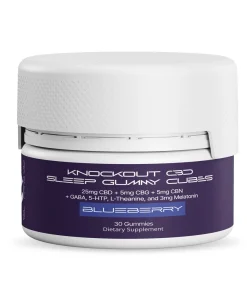
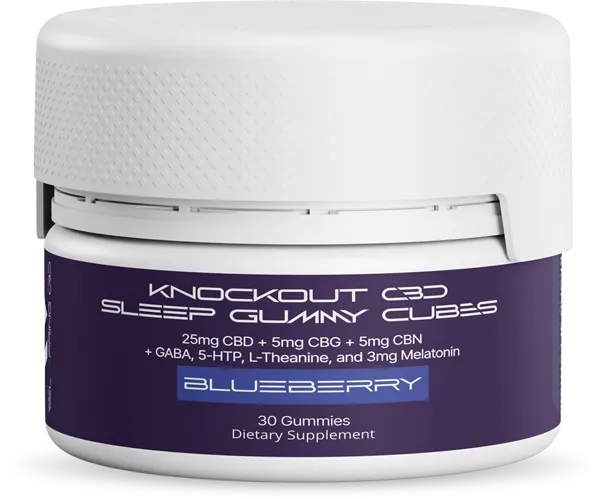
If you struggle with both a racing evening mind and restless 3 AM waking, our multi-cannabinoid Knockout CBD sleep gummies combine 25mg of broad spectrum CBD with targeted CBN and botanical sleep synergies. This balanced formulation tackles both halves of the sleep cycle in one convenient bedtime serving.
For a broader overview of lifestyle habits and sleep hygiene, consult our formulator guide on 7 tips for using CBD for insomnia, or browse our complete Sleep Series collection.
Practical Nighttime Dosing and Titration Protocol
Cannabinoid receptors vary from person to person based on age, metabolism, and endocannabinoid tone. Follow this simple 3-step titration protocol to find your optimal nighttime amount:
| Phase | Timing | Recommended Serving | Focus & What to Observe |
|---|---|---|---|
| Days 1–3 (Baseline) | 30 minutes before bed | 10–15 mg CBD or 5 mg CBN | Assess initial relaxation; observe if sleep onset improves |
| Days 4–7 (Adjustment) | 30–45 minutes before bed | 25 mg CBD + 5–10 mg CBN | Evaluate middle-of-night awakenings; note ease of falling back asleep |
| Day 8+ (Maintenance) | Consistent nightly routine | Calibrated optimal dose | Steady circadian rhythm; zero morning grogginess upon waking |
Always hold sublingual tinctures under your tongue for a full 60 to 90 seconds before swallowing to ensure maximum vascular absorption.
Frequently Asked Questions
Does CBN get you high or cause cognitive impairment?
No. While CBN is a natural byproduct of THC oxidation, it possesses only weak affinity for CB1 receptors (approximately 10% of THC’s strength). At therapeutic sleep doses (5mg to 15mg), CBN produces calming physical relaxation and heaviness without any intoxication, altered perception, or mental haze.
Will CBN show up on a drug test?
Because CBN is chemically similar to THC, some basic workplace immunoassay drug screenings can occasionally cross-react with CBN metabolites, producing a false positive for THC. If your employment requires mandatory drug screening, opt for certified 0.0% THC broad spectrum formulations or consult your testing administrator.
Can I take CBD during the day and CBN at night?
Yes. This is one of the most effective wellness protocols. Taking 25mg of broad spectrum CBD in the morning promotes clear-headed calm and resilience against daytime stress without drowsiness. Taking CBN or a CBD/CBN blend at bedtime shifts your nervous system into restorative sleep mode.
Is it safe to take CBN every night?
Unlike prescription sleep medications or high-dose melatonin, pure cannabinoids do not shut down natural hormone production or carry physical dependency risks. Many adults take CBN consistently for months to maintain deep sleep architecture, then taper off without experiencing rebound insomnia.
The Wellspring Commitment to Sleep Purity
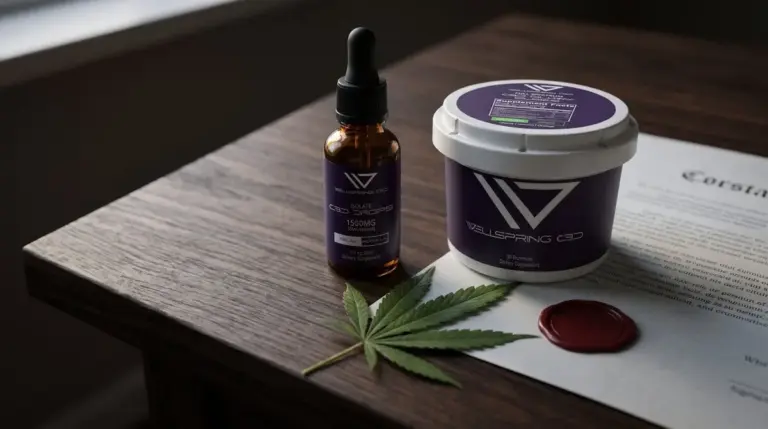
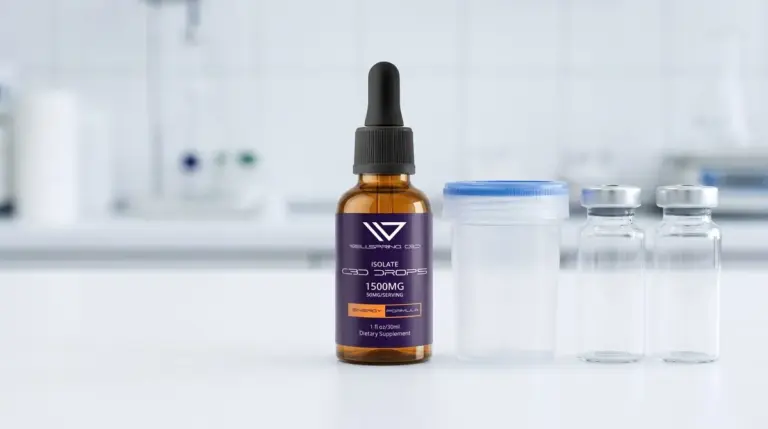
Since 2013, Wellspring CBD has formulated clean, reliable botanical remedies in Cheyenne, Wyoming. We never cut corners with unverified imported extracts or synthetic filler additives. Every single batch of our CBN drops and sleep gummies is independently analyzed by third-party ISO 17025 accredited testing laboratories, verifying exact cannabinoid milligrams and confirming 0.0% THC purity.
If you are ready to wake up feeling genuinely restored without chemical hangovers, explore our third-party verified nighttime formulations today, backed by our 90-Day Satisfaction Promise.
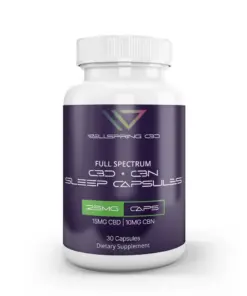
🌿 Formulations in This Guide
Recommended Products for Your Routine
Organic US-grown hemp, batch Certificate of Analysis published on each page, backed by our 90-Day Money-Back Promise.

Jason Liss — Co-Founder & Chief Formulator
As a Co-Founder of Wellspring CBD, Jason has been an advocate and pioneer in the cannabis and hemp industries since 1996. Passionate about helping people achieve better health through unique natural supplements, Jason uses his decades of experience to guide readers toward effective wellness solutions.
In this guide
- 01 Falling Asleep vs. Staying Asleep: Two Distinct Sleep Problems
- 02 What Is CBD (Cannabidiol) and How Does It Aid Sleep?
- 03 What Is CBN (Cannabinol) and Why Is It Called the “Sleep Cannabinoid”?
- 04 CBD vs. CBN: Direct Comparison for Sleep Support
- 05 The Sleep Entourage Effect: Why Combining CBD and CBN Works Best
- 06 Why Cannabinoids Outperform Synthetic Melatonin
- 07 Choosing the Right Nighttime Formulation
- 08 Practical Nighttime Dosing and Titration Protocol
- 09 Frequently Asked Questions
- 10 The Wellspring Commitment to Sleep Purity
Scroll to read · tap a topic to jump

🌱 New Here? First Order
Take 40% Off Your First Order
Join the Wellspring Journal for honest CBD education — enter your name and email to unlock an exclusive first-order code. Instant, no spam, one-click unsubscribe.
🔒 Instant Code
🌿 Zero Spam
✉️ 1-Click Unsubscribe
🌴 90-Day Promise
Discussion