



🔒 Secure Checkout
·
90-Day Promise
·
Free Shipping $75+
🌱 Cannabinoids Explained
 · Co-Founder & Chief Formulator
Honest Guidance · Daily Routines · Plant Wellness
Melatonin-Free Sleep: Why People Switch to Minor Cannabinoids
· Co-Founder & Chief Formulator
Walk down the sleep aid aisle of any pharmacy, and one ingredient dominates the shelves: melatonin. Found in everything from colorful gummies to high-potency liquid droppers, melatonin has become America’s default bedtime supplement. An estimated six million adults in the United States take melatonin nightly, treating it as a harmless, natural ticket to dreamland.
Yet behind the ubiquitous marketing, a growing wave of consumers is quietly walking away. The complaints are strikingly consistent: waking up at 7:00 AM feeling as though your brain is wrapped in wet wool, enduring vivid and distressing nightmares, or discovering that after months of nightly use, sleep feels impossible without doubling the dose.
What many individuals do not realize is that melatonin is not an herbal relaxant like chamomile or lavender. It is a potent endocrine hormone. Flooding your bloodstream with synthetic megadoses every evening fundamentally alters nighttime physiology.
As dissatisfaction with synthetic hormones mounts, attention has shifted toward a completely different botanical pathway: minor cannabinoids like cannabinol (CBN) and cannabidiol (CBD).
Below, we explore why synthetic melatonin so frequently backfires, how minor cannabinoids support the body’s natural circadian rhythm without hormonal disruption, and how to transition to a clean, non-groggy nighttime routine.
The Melatonin Paradox: Why 5mg and 10mg Megadoses Backfire
To understand why melatonin causes so many unpleasant side effects, we must first look at how the human body produces and regulates it naturally.
Melatonin is synthesized by the pineal gland—a tiny, pinecone-shaped endocrine gland nestled deep in the center of the brain. When retinal photoreceptors detect the absence of daylight in the evening, the brain’s suprachiasmatic nucleus (the master circadian clock) signals the pineal gland to convert serotonin into melatonin.
In a healthy adult with an undisturbed circadian rhythm, the pineal gland secretes an average of 0.1 to 0.3 milligrams of melatonin across an entire night. This microscopic trickle acts not as a heavy tranquilizer, but simply as a biological clock-setter—a chemical whisper signaling to peripheral organs that darkness has fallen.
Now, consider the supplements sold on retail shelves. Standard commercial gummies routinely deliver 5 milligrams, 10 milligrams, or even 12 milligrams per serving.
When you consume a 10mg melatonin gummy, you are flooding your bloodstream with 30 to 100 times the physiological amount your brain would ever naturally produce.
The Consequences of Mega-Dosing
- Receptor Saturation and Desensitization: Flooding MT1 and MT2 melatonin receptors with massive concentrations of exogenous hormones causes receptors to downregulate. Over time, the brain becomes less responsive to its own internal signals, creating chemical tolerance and dependence.
- Paradoxical Wakefulness: When blood melatonin levels spike too rapidly, receptor overload can trigger middle-of-the-night panic signaling, causing individuals to snap wide awake at 2:00 AM with elevated heart rates.
- Suppression of Natural Secretion: Daily supplementation can inhibit your body’s natural pineal synthesis, making it difficult or impossible to fall asleep without a pill.
The Side Effects Nobody Talks About
While melatonin is frequently marketed as gentle and risk-free, clinical research published in the Journal of Clinical Sleep Medicine and real-world consumer experiences reveal significant adverse patterns associated with regular use.
1. The “Melatonin Hangover” (Morning Brain Fog)
Unlike natural melatonin, which clears the bloodstream relatively quickly, massive synthetic doses overwhelm hepatic metabolism. In many individuals, active metabolites remain in systemic circulation well past sunrise. The result is a persistent morning hangover: heavy limbs, cognitive lethargy, and a sluggish mental haze that often requires multiple cups of coffee to penetrate.
2. Vivid Nightmares and REM Sleep Disruption
One of the most widely reported side effects of melatonin megadoses is intense, hyper-realistic, and often terrifying dreams.
Melatonin exerts a strong suppressing effect on initial rapid eye movement (REM) sleep, pushing the brain into prolonged slow-wave stages early in the night. However, as the synthetic hormone clears in the early morning hours, the brain undergoes a profound “REM rebound.” The nervous system scrambles to catch up on compressed dream stages, triggering erratic, emotionally volatile nightmares that leave people feeling exhausted rather than restored.
3. Rebound Insomnia Upon Discontinuation
When individuals attempt to stop taking melatonin cold turkey, the downregulated pineal receptors cannot adequately register the body’s tiny natural melatonin output. This triggers acute rebound insomnia, convincing many people that their baseline sleep issues have worsened and locking them into months or years of continued supplementation.
Hormone Disruption vs. Endocannabinoid Regulation
The fundamental difference between melatonin and hemp-derived minor cannabinoids lies in their biological classification:
- Melatonin is an Endocrine Hormone: Taking an exogenous hormone directly manipulates the endocrine system and alters internal feedback loops.
- Cannabinoids are Phytocannabinoid Modulators: Compounds like CBN and CBD do not introduce foreign hormones into the bloodstream. Instead, they interact with the Endocannabinoid System (ECS)—a master homeostatic network designed to balance neurotransmission, immune response, and sensory perception.
Rather than forcibly resetting your hormonal clock, minor cannabinoids support the body’s natural mechanisms for unwinding, relaxing physical tension, and staying asleep through normal sleep cycles.
How Minor Cannabinoids Deliver Restful Nights Without the Hangover
Instead of knocking out the brain with artificial hormone spikes, the hemp plant provides a suite of targeted compounds that work in harmony with human neurobiology:
1. Cannabinol (CBN): The Sleep-Stabilizing Minor Cannabinoid
Formed naturally as harvested hemp ages and oxidizes, CBN possesses mild partial affinity for CB1 and CB2 cannabinoid receptors. Unlike CBD, which primarily promotes daytime calm and anxiety reduction, CBN produces a distinct physical body heaviness that anchors the nervous system.
Crucially, CBN supports sleep maintenance—helping prevent the 3:00 AM awakenings that plague chronic poor sleepers—without suppressing REM architecture or triggering morning mental fog.
2. Cannabidiol (CBD): Calming Autonomic Nervous System Hyperactivity
Bedtime restlessness is frequently an extension of daytime stress. CBD acts as an agonist at 5-HT1A serotonin receptors and modulates transient receptor potential (TRPV1) channels, quieting racing thoughts, lowering evening blood pressure spikes, and easing muscular tension.
When combined with CBN, CBD addresses the mental barriers to falling asleep, while CBN sustains physical relaxation through the night. To understand how these two compounds compare in detail, read our formulator comparison on CBD vs melatonin for sleep.
Direct Comparison: Melatonin vs. Minor Cannabinoids
| Comparison Factor | Synthetic Melatonin (Pills & Gummies) | Minor Cannabinoids (CBN & CBD Formulations) |
|---|---|---|
| Biological Classification | Exogenous endocrine hormone | Plant-derived phytocannabinoid modulators |
| Typical Daily Serving | 5 mg to 10 mg (30x–100x natural human output) | 5 mg to 20 mg CBN; 25 mg to 50 mg CBD |
| Morning Feeling | Frequent grogginess, mental fog, heavy sluggishness | Clean, clear-headed awakening; zero chemical hangover |
| Dream Architecture | Often triggers vivid, bizarre nightmares via REM rebound | Preserves balanced, natural REM and slow-wave sleep cycles |
| Tolerance & Dependency | High risk of receptor desensitization and rebound insomnia | Non-habit-forming; maintains steady efficacy over time |
| Daytime Adaptability | Strictly contraindicated during daytime hours | CBD can be used daytime for stress; CBN reserved for bed |
| Ideal Application | Acute jet lag, rotating night-shift circadian resets | Chronic sleep maintenance, nightly restoration, racing minds |
How to Transition Off Melatonin to a Cannabinoid Routine
If you have been relying on high-dose melatonin every night, transitioning to a clean cannabinoid routine is straightforward when done thoughtfully.
Step 1: Step Down the Melatonin Dose (Days 1–3)
Do not quit a 10mg melatonin habit abruptly, as this can trigger temporary rebound restlessness. Over three to four nights, cut your melatonin dose in half (e.g., from 10mg down to 5mg, then down to 2.5mg).
Step 2: Introduce Sublingual CBN at Bedtime
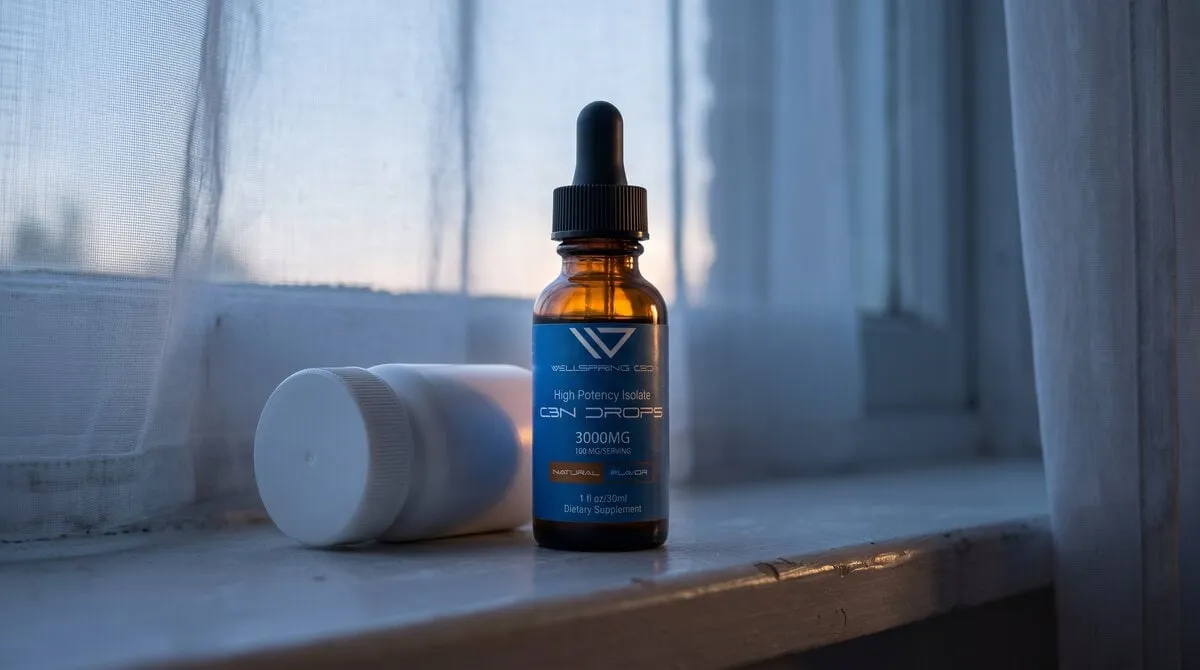
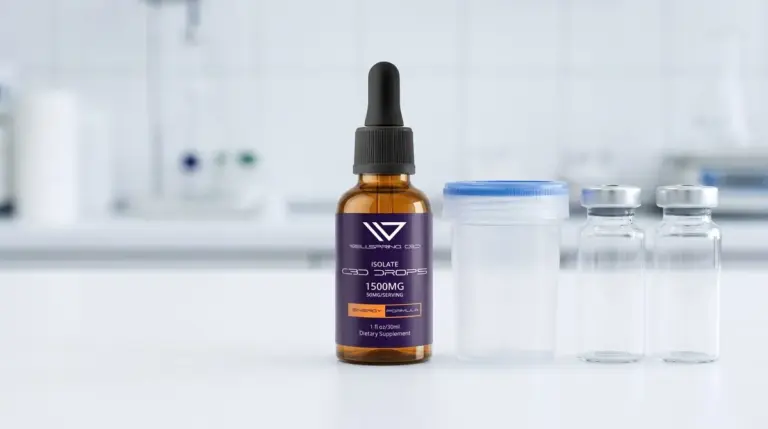
Begin incorporating concentrated pure CBN isolate drops for sleep approximately 30 to 45 minutes before turning off the lights. Sublingual drops held under the tongue for 60 to 90 seconds absorb directly into microcapillaries, bypassing the stomach and delivering fast, dependable physical heaviness. To compare specific formats, review our clinical guide on CBN vs melatonin.
Step 3: Establish a Consistent Botanical Bedtime Ritual
By day 5, discontinue melatonin entirely. Maintain your nighttime cannabinoid serving alongside clean sleep hygiene: dim overhead lighting 60 minutes before bed, keep the bedroom cool (65°F to 68°F), and establish a predictable sleep window. To learn how sleep mechanisms operate across the body, explore our breakdown on CBD for sleep and how it works, or browse our complete Sleep Series collection.
Frequently Asked Questions
Will I experience withdrawal or rebound insomnia when stopping melatonin?
If you discontinue high-dose melatonin (5mg to 10mg) abruptly, you may experience mild restlessness for one or two nights as your brain readjusts its natural pineal signaling. Tapering your dose over three days while introducing sublingual CBN smooths this transition, allowing you to bypass rebound sleep disruptions entirely.
Does CBN cause morning grogginess or brain fog?
No. Unlike synthetic melatonin, which often lingers in systemic circulation after sunrise, CBN clears through hepatic pathways cleanly. Users consistently report waking up feeling refreshed, alert, and clear-headed, without the heavy “hangover” associated with drugstore sleep aids.
Can I take CBN every night without building tolerance?
Yes. Cannabinoids do not downregulate receptor populations the way synthetic hormones or pharmaceutical sedatives do. Clinical observation and long-term user reports indicate that a consistent nightly serving of CBN maintains dependable efficacy over months of continuous use without requiring dose escalation.
Will minor cannabinoids interfere with other natural supplements like magnesium?
Not at all. In fact, pairing minor cannabinoids like CBN with magnesium glycinate, L-theanine, or chamomile creates excellent botanical synergy. Magnesium relaxes muscular tension, while cannabinoids stabilize the central nervous system, creating a comprehensive, non-hormonal sleep environment.
The Wellspring Standard for Restorative Sleep
Since 2013, Wellspring CBD has formulated pure, research-backed hemp solutions in Cheyenne, Wyoming. We believe that achieving deep, restorative sleep should never require compromising your morning clarity or altering your natural endocrine balance.
Every batch of our high-potency CBN drops and sleep formulas is independently tested by accredited third-party ISO 17025 laboratories, verifying exact milligram potency and confirming 0.0% THC purity.
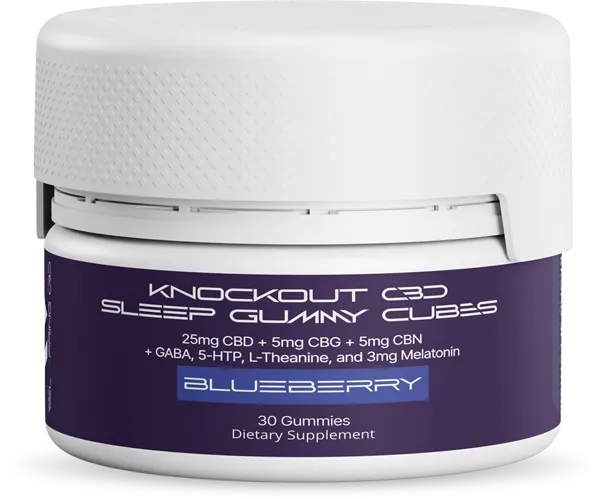
If you are ready to leave the morning brain fog and vivid melatonin nightmares behind, explore our third-party verified melatonin-free nighttime formulations today, backed by our 90-Day Satisfaction Promise.
🌿 Formulations in This Guide
Recommended Products for Your Routine
Organic US-grown hemp, batch Certificate of Analysis published on each page, backed by our 90-Day Money-Back Promise.

Jason Liss — Co-Founder & Chief Formulator
As a Co-Founder of Wellspring CBD, Jason has been an advocate and pioneer in the cannabis and hemp industries since 1996. Passionate about helping people achieve better health through unique natural supplements, Jason uses his decades of experience to guide readers toward effective wellness solutions.
In this guide
- 01 The Melatonin Paradox: Why 5mg and 10mg Megadoses Backfire
- 02 The Side Effects Nobody Talks About
- 03 Hormone Disruption vs. Endocannabinoid Regulation
- 04 How Minor Cannabinoids Deliver Restful Nights Without the Hangover
- 05 Direct Comparison: Melatonin vs. Minor Cannabinoids
- 06 How to Transition Off Melatonin to a Cannabinoid Routine
- 07 Frequently Asked Questions
- 08 The Wellspring Standard for Restorative Sleep
Scroll to read · tap a topic to jump


🌱 New Here? First Order
Take 40% Off Your First Order
Join the Wellspring Journal for honest CBD education — enter your name and email to unlock an exclusive first-order code. Instant, no spam, one-click unsubscribe.
🔒 Instant Code
🌿 Zero Spam
✉️ 1-Click Unsubscribe
🌴 90-Day Promise
Discussion