Join Our Newsletter And Save 50%* On Your First Order
Get the lowdown on exciting updates, new products, exclusive discounts, and more.
*Good on WellspringCBD and Weltaday branded products only.
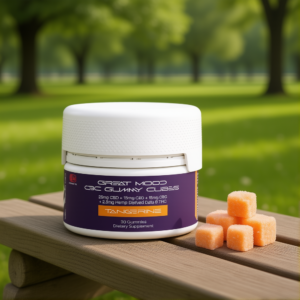










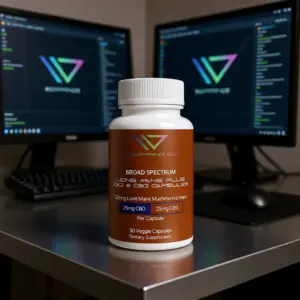




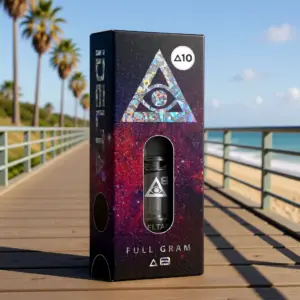
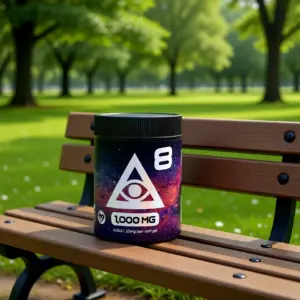
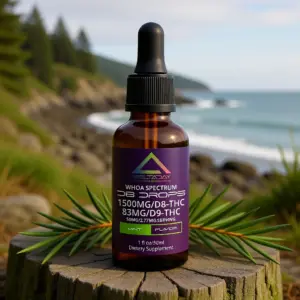
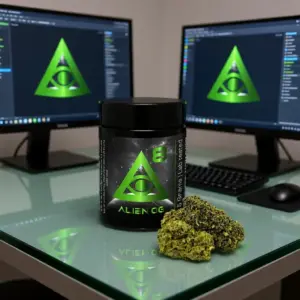





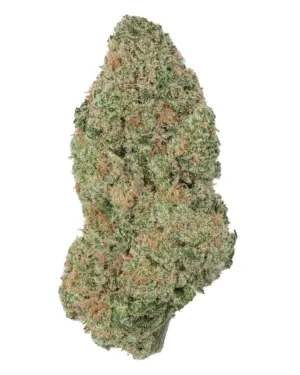

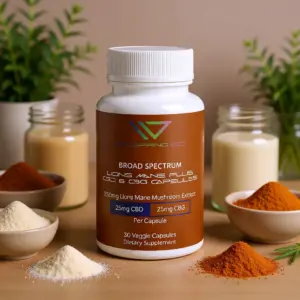



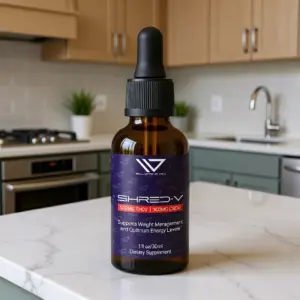
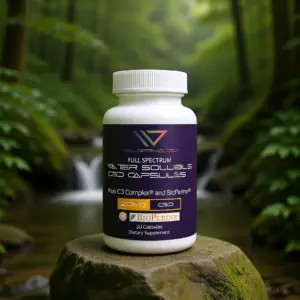

What is CBD good for? There are a variety of uses for CBD extracts from anxiety to pain. Click here to learn more uses for this product.
Cannabidiol, commonly known as CBD, has moved from the fringes of alternative wellness into the center of mainstream medical discourse. Extracted from cannabis plants—specifically hemp—this compound has captured public attention due to its reported potential in managing a wide array of health conditions. However, the gap between anecdotal enthusiasm and rigorous clinical science remains significant. Understanding what CBD is actually good for requires a look past the marketing hype and into the biochemistry of how it interacts with the human body.
To understand why CBD affects the body, one must first look at the biological infrastructure that facilitates its influence. Cannabidiol does not work like a conventional pharmaceutical that hits a single target; rather, it acts as a modulator of a complex internal signaling network.
The human body possesses a vast regulatory network known as the endocannabinoid system (ECS). This system is responsible for maintaining homeostasis—the internal balance of temperature, mood, pain sensation, and immune response. The ECS consists of three main components: endocannabinoids, receptors, and enzymes that break them down. When our natural balance is disrupted by stress, injury, or inflammation, the ECS activates to restore equilibrium. CBD interacts with this system, helping to prevent the rapid breakdown of our body’s own natural cannabinoids, thereby extending their beneficial effects.
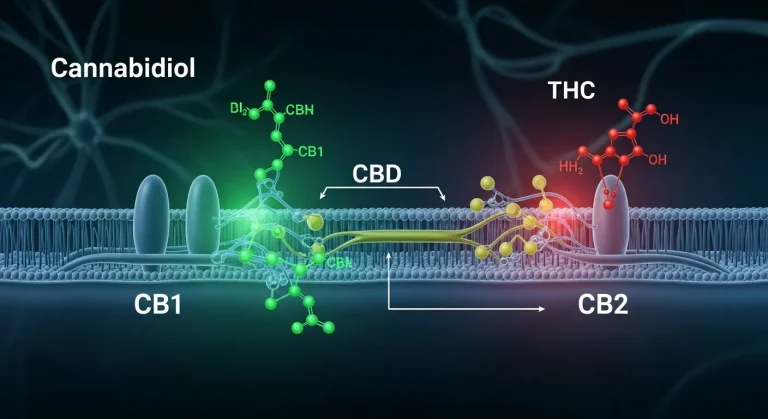
A primary barrier to public adoption is the confusion between CBD and Tetrahydrocannabinol (THC). Both are cannabinoids derived from cannabis plants, but they interact with the brain in fundamentally different ways. THC binds directly to receptors in the central nervous system, creating the “high” associated with marijuana. In contrast, CBD has a very low affinity for these same receptors. Because it does not trigger the same neurological pathways, CBD products do not produce the intoxicating effects that define THC, making it a preferred choice for individuals seeking therapeutic support without cognitive impairment.
CBD’s mechanism of action is multifaceted. While it does not bind directly to CB1 receptors (located primarily in the brain) or CB2 receptors (found in the immune system) like THC does, it exerts influence in more nuanced ways. It interacts with serotonin receptors, vanilloid receptors for pain modulation, and even influences the Cytochrome P450 pathway—a group of liver enzymes responsible for metabolizing most drugs. Understanding this pathway is critical; because CBD competes for these enzymes, it can influence how the body processes other medications, necessitating caution for those on prescription drugs.
When discussing CBD’s efficacy, it is essential to distinguish between general wellness claims and rigorous, clinical evidence. The strongest support for CBD exists within the field of neurology.
The most significant validation of CBD occurred when the Food and Drug Administration (FDA) approved Epidiolex. This is a highly purified, pharmaceutical-grade CBD solution. Unlike unregulated CBD products found in retail stores, Epidiolex is strictly monitored for purity and concentration. Its approval marked a turning point, proving that when handled as a formal medication, CBD can provide life-changing outcomes for patients with severe medical conditions.
Epidiolex is specifically indicated for the treatment of seizures associated with two rare and severe forms of epilepsy: Dravet syndrome and Lennox-Gastaut syndrome. In clinical trials, patients using this medication showed a significant reduction in the frequency of convulsive seizures. For families dealing with these conditions, the drug offers a therapeutic avenue where conventional antiepileptic medications have often failed.
Beyond Dravet and Lennox-Gastaut, research has extended to Tuberous Sclerosis Complex (TSC). The results have consistently shown that CBD can serve as an effective adjunct therapy. By reducing the frequency and severity of seizures, CBD improves the overall quality of life, allowing patients to gain a level of control over their neurological health that was previously thought unattainable.
Outside of neurology, chronic pain remains the most common reason individuals seek out CBD. While clinical data is still evolving, the potential for CBD to assist in pain management is supported by its ability to influence inflammatory pathways.
Many users turn to CBD oil to manage the persistent inflammation associated with arthritis. Preclinical studies suggest that CBD’s interaction with the ECS can dampen the inflammatory signals sent to the brain. While large-scale human trials are ongoing, the anecdotal reports of reduced joint stiffness are consistent with the compound’s known anti-inflammatory properties, making it a popular subject for those seeking non-opioid pain management strategies.
For conditions like peripheral neuropathy and fibromyalgia, standard treatments often fall short. Emerging research indicates that by modulating pain receptors, CBD may help raise the pain threshold. While the scientific community calls for more expansive human clinical trials to establish standardized dosing protocols, the preliminary evidence suggests that CBD’s role in tempering chronic, neuropathic pain is a promising frontier.
For those hesitant to ingest cannabinoids, Topicals offer a targeted solution. By applying CBD-infused creams directly to an affected joint or muscle, users can achieve localized relief. This method avoids the systemic processing of the compound through the digestive tract, allowing for a more focused application.
The landscape of mental health is where CBD sees the highest volume of consumer interest, particularly regarding anxiety and mood regulation.
One of the most cited studies in this field involved participants undergoing a simulated public speaking test. Those who received a 600mg dose of CBD reported significantly lower anxiety levels and cognitive impairment compared to the placebo group. This suggests that CBD may assist in managing situational anxiety, though long-term efficacy for chronic anxiety disorders is still being investigated.
Post-Traumatic Stress Disorder (PTSD) involves complex neurological responses to fear and memory. CBD is believed to potentially aid in the “extinction of fear memories,” helping patients process trauma with less intense physiological arousal. While research is in the early stages, the potential for CBD to act as an adjunct in psychiatric care is a subject of intense focus.
Depression is often linked to the dysregulation of neurotransmitters like serotonin. Since CBD can influence serotonin receptor activity, researchers are exploring whether it can bolster the effects of traditional antidepressants. It is not currently recommended as a replacement for clinical psychiatric treatment, but rather as a potential support tool.
Interestingly, while high doses of THC can trigger paranoia or psychosis in some users, research indicates that CBD may have the opposite effect. In some clinical settings, CBD has shown potential as an antipsychotic agent. This paradoxical relationship is a major area of study, offering hope for safer pharmacological interventions in schizophrenia.
Sleep is the cornerstone of recovery, yet millions suffer from insomnia and poor sleep hygiene.
CBD does not act as a sedative in the way that pharmaceutical sleep aids do. Instead, it appears to influence the sleep-wake cycle indirectly. By addressing underlying factors such as high anxiety or chronic physical discomfort, CBD helps the body reach a state of readiness for sleep.
For many, the inability to sleep is a secondary symptom of another issue. By mitigating the pain signals or the hyperarousal associated with anxiety, CBD allows the body to maintain sleep architecture more effectively. It is a management tool for the causes of sleeplessness rather than a chemical sledgehammer.
As the global population ages, the search for neuroprotective agents has intensified.
Sativex, an oromucosal spray containing both CBD and THC, has been approved in several countries for the treatment of spasticity in multiple sclerosis. It helps reduce muscle stiffness and spasms, significantly improving mobility and comfort for MS patients.
The neuroprotective properties of CBD are currently being explored for degenerative conditions like Parkinson’s and Alzheimer’s. Researchers are investigating whether the compound’s ability to reduce oxidative stress and neuroinflammation can slow the progression of cognitive decline, though this research is still largely in the preclinical phases.
The focus on longevity involves mitigating the chronic, low-grade inflammation that characterizes aging. CBD’s capacity to support ECS homeostasis makes it a logical candidate for studies on healthy aging and the preservation of cognitive function.
CBD is gaining recognition as a potential tool to break cycles of chemical dependency.
Given the ongoing opioid crisis, researchers are studying whether CBD can reduce the cravings associated with opioid withdrawal. By calming the reward-seeking pathways in the brain, it may provide a bridge for patients moving away from dependency.
Withdrawal often involves a mix of physical pain, anxiety, and sleep disruption. CBD’s ability to influence multiple receptors simultaneously allows it to address these disparate symptoms, potentially increasing the success rates of addiction recovery programs.
Selecting the right CBD product is as important as the compound itself.
CBD oil, administered sublingually (under the tongue), offers some of the highest bioavailability. This allows the compound to enter the bloodstream directly, bypassing the liver’s first-pass metabolism. This is often the preferred method for those seeking systemic relief for anxiety, pain, or sleep.
CBD has transitioned from a misunderstood plant extract to a legitimate area of medical inquiry. While the science is robust for conditions like epilepsy—anchored by the success of Epidiolex—it remains in its nascent stages for many other wellness applications. When using CBD products, it is vital to prioritize quality. Always look for a Certificate of Analysis (COA) from an independent, third-party laboratory. This document verifies the purity of the product and ensures it is free from pesticides, heavy metals, and inaccurate concentrations of cannabinoids.
Before beginning a regimen, consult with a healthcare provider, especially if you are taking other medications due to the potential for interaction via the Cytochrome P450 pathway. Start with a low dose and monitor your body’s response closely. CBD is not a miracle cure-all; rather, it is a nuanced, biological tool. When used correctly—with patience, skepticism toward marketing claims, and a focus on high-quality, verified products—it can serve as a valuable component of an overall health and wellness strategy. Approach your journey with education, and prioritize transparency in every purchase.